Tories pledge to close Union Flag labelling loophole
 © Tim Scrivener
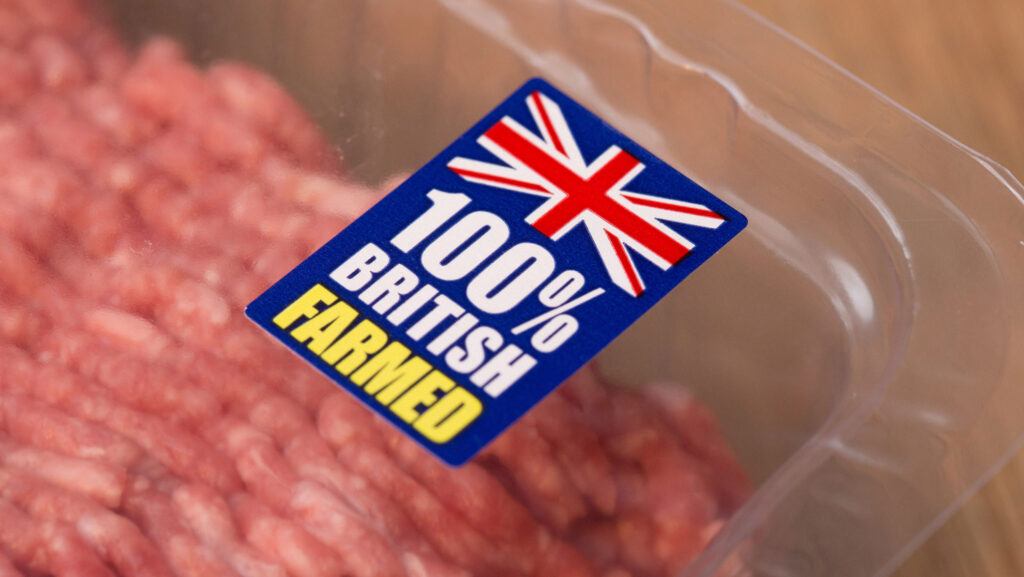
 The Conservative Party has set out plans to close what it calls the “flag loophole” on food labelling, pledging reforms it says would better protect British farmers and improve transparency for consumers.
Under policy proposals announced on Monday 2 March, the Conservatives vowed to restrict the use of the Union Flag and “Made in the UK” claims to products that are genuinely produced in the United Kingdom.
The move comes amid wider pressure on the sector, with the party citing the impact of the government’s plans to impose new inheritance tax rules on agricultural and business property relief from 6 April 2026 and ongoing uncertainty around the Sustainable Farming Incentive amid other issues.
See also: UK food labelling reform demanded by NFUS
At present, products can display the Union Flag or be marketed as British even if key ingredients are sourced overseas, provided this is clarified elsewhere on the packaging.
The Conservatives argue this disadvantages domestic producers and risks misleading shoppers.
Under the proposed changes, single-ingredient products such as meat, eggs, dairy and fresh produce would need to be entirely born, raised, grown, slaughtered and processed in the UK to carry national branding.
For multi-ingredient products, the party says it would consult on a 90% UK-sourced threshold before flags or “Made in” claims could be used.
A transition period of at least 24 months would allow businesses to update packaging within existing redesign cycles.
Clarity for consumers
Victoria Atkins, shadow Defra secretary and Conservative MP for Louth and Horncastle, said: “We should all eat British food whenever we can. When customers choose a product either flying the Union Jack flag or claiming, ‘Made in Britain’, it should mean exactly that.
“Currently, food grown overseas yet merely assembled or packaged here can fly the flag or be described as ‘British’.
“The Conservatives will close the flag loophole and make food origin labelling clearer so that consumers can be sure that they’re buying British food which is actually grown and produced in our country.”
She added: “British farmers and food producers are crucial to our nation’s food security, feeding the nation with high-standard produce. Making origin labelling clearer and simpler will encourage us all to eat more British-made food. Let’s eat for Britain!”