Mole Valley Farmers boost Scottish presence with Ayr Port deal
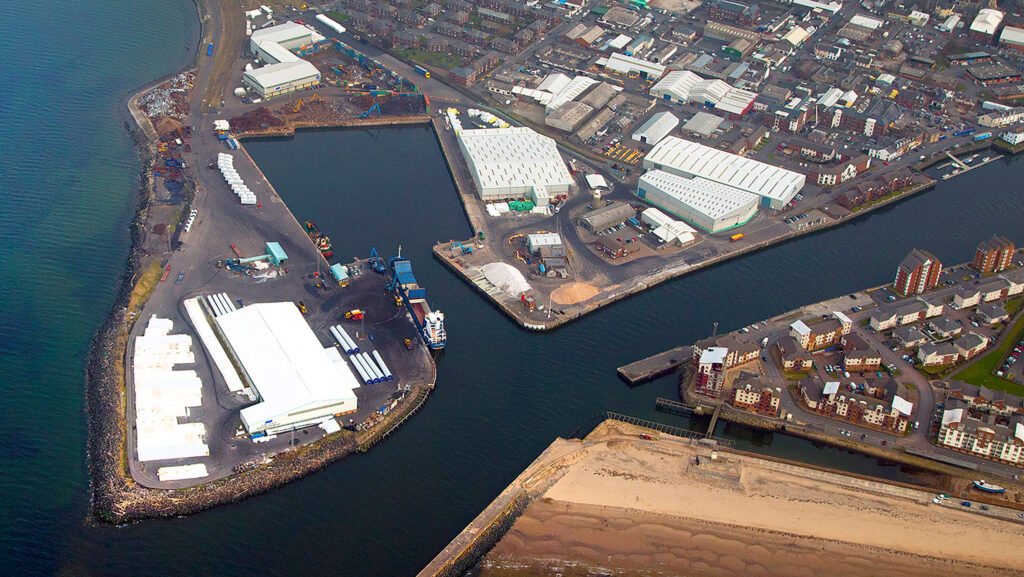 © Mole Valley Farmers
 Mole Valley Farmers has secured a new feed import and storage agreement to strengthen supplies to farmers across Scotland and northern England.
The farmer-owned co-operative has signed a deal with Associated British Ports (ABP) to use the Port of Ayr for key feed raw materials, with the first deliveries expected in November.
See also: Mole Valley Farmers returns to profit after two tough years
The arrangement will allow ingredients to be landed and stored closer to customers and Mole Valley Farmers’ Coylton feed mill, reducing reliance on longer road journeys from other UK ports.
It also provides an additional supply route as global markets, geopolitical tensions, extreme weather and changing trade patterns continue to affect the availability and movement of feed ingredients.
Mole Valley Farmers chief executive Jack Cordery said: “It is about building resilience into our supply chain so we can continue to support farmers whatever is happening in the wider world.”
Using the Port of Ayr, he added, would improve the co-operative’s ability to plan ahead and maintain supplies during the busy winter feeding period, when demand for compound feeds, blends and bespoke rations is typically higher.
Greater flexibility
Mole Valley Farmers already has a similar arrangement with Cattedown Wharves in Plymouth, giving it greater flexibility over how raw materials are shipped, stored and distributed to its UK feed mills.
Frank Nickel, Mole Valley Farmers’ head of raw material supply chain, added: “It helps us hedge risk, respond to disruption, keep ingredients flowing into the mills and prices as low as possible for the customers who rely on us.”
The Port of Ayr, on Scotland’s west coast, has dry bulk handling facilities and covered storage for weather-sensitive cargo and open storage space for larger volumes.
It handles about 34,000t of cargo each year.
ABP divisional port manager Bryan Davies said: “The Port of Ayr has a long history of handling agricultural commodities and this agreement demonstrates the value of regional ports in connecting customers with the wider supply chain.”