NI potato grower and packer enters administration
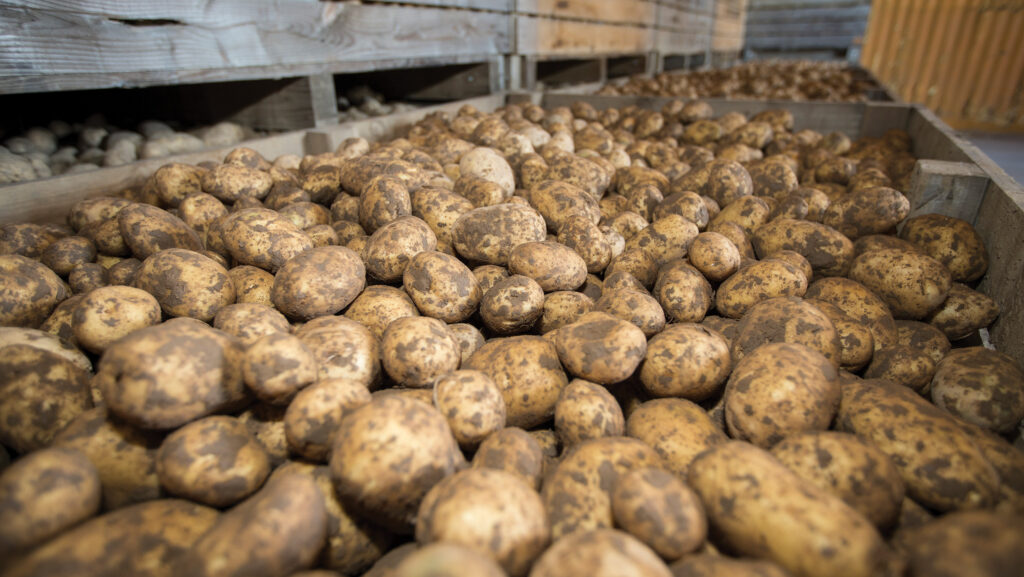 © GNP
© GNP Northern Ireland potato grower and packer Glens of Antrim Potatoes has entered administration after rising costs and cashflow pressures left the business without a solvent option.
Stuart Irwin, Ian Leonard and Robin Coughlin of Interpath were appointed joint administrators on Monday (21 September).
See also: Rising costs and policy fears dent potato grower confidence
The company, founded in 1972, grew and packed potatoes for major supermarkets and grocery chains across Ireland, as well as producing its Glens of Antrim Crisps range.
It operated from sites in Cushendall and Ballymena and employed 95 people.
Administrators said sustained cost pressures across the agri-food supply chain had placed increasing strain on the company’s cashflow.
Its directors explored refinancing and new investment, but found no viable solvent solution.
After administrators were appointed, the business ceased trading, and most employees were made redundant, with only a small number retained to support the administration process.
The closure will raise questions for growers and other suppliers linked to the business, which had been part of Northern Ireland’s potato supply chain for more than 50 years.
Stuart Irwin, managing director at Interpath and joint administrator, said: “This is a tremendously sad outcome for the business, its dedicated team, the agri-food sector in Northern Ireland, and the wider community in Ballymena and Cushendall”.
The administrators said it was too soon to give any indication of numbers of unsecured creditors or amounts of money outstanding.
Specialist employment advisers are supporting affected staff.
They are now seeking expressions of interest in the business and its assets and have invited potential buyers to come forward as soon as possible.
The Ulster Farmers’ Union said it was “saddened to learn of the administration of Glens of Antrim Potatoes” and recognises the “significant loss for Northern Ireland’s agri-food sector, with the impact being felt by staff, growers and businesses across the local supply chain”.
“We would encourage anyone who needs additional help during this difficult time to contact Rural Support,” the union said.