Defra announces £21.5m pot for farm innovation projects
 © SRUC
 More than £21.5m in new government funding is being invested in farm innovation across England, with a major focus on cutting agricultural emissions while boosting productivity and resilience.
Delivered through Defra’s Farming Innovation Programme in partnership with Innovate UK, the funding will support 15 projects designed to turn cutting-edge research into practical, on-farm solutions.
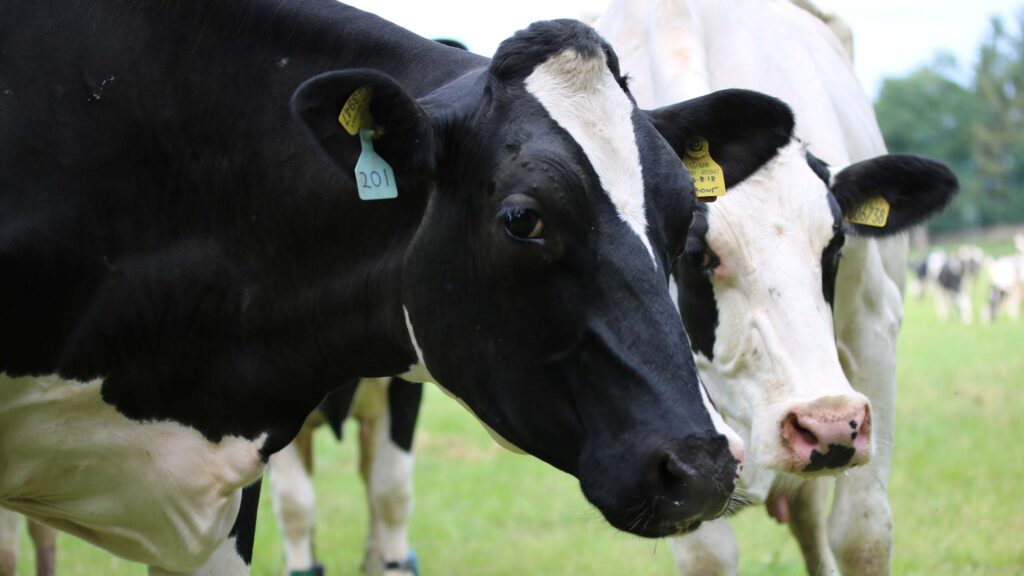
Among the successful projects is the InFaba methane reduction initiative, led by McArthur Agriculture (who trade as McArthur BDC), which aims to tackle one of the biggest challenges facing UK farming – cutting methane emissions from dairy cows.
See also: Defra reveals farmer research projects under Adopt programme
Methane accounts for a significant share of agricultural greenhouse gas emissions, and reducing it is critical to meeting climate targets while maintaining food production.
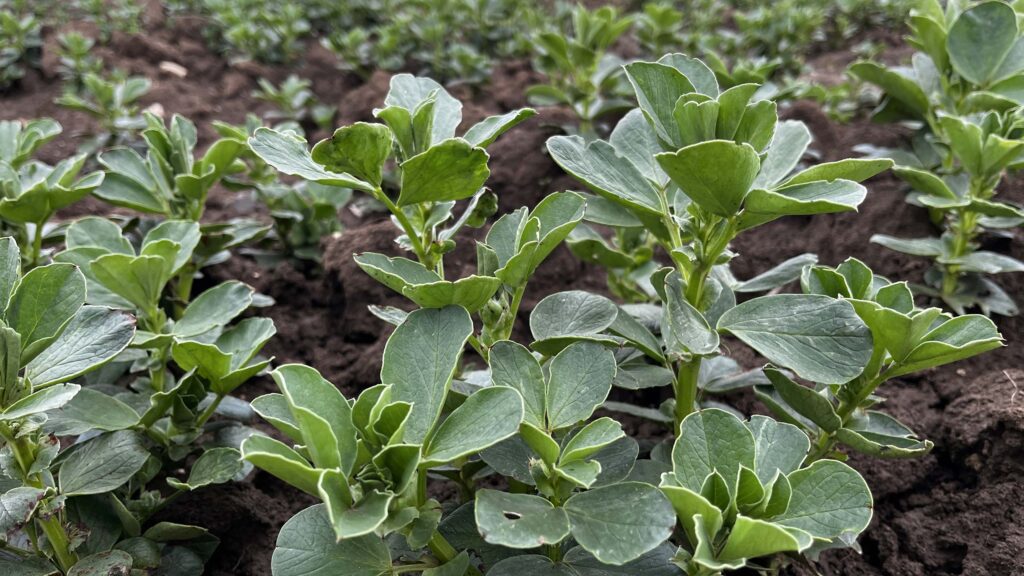
The InFaba project will receive £1.49m to develop and test UK-grown faba bean-based feed ingredients that could lower enteric methane emissions in dairy systems while reducing reliance on imported soyabean meal.
The three-year programme brings together crop science, ruminant nutrition research and on-farm trials, supported by life cycle and economic analysis, to assess real-world impact and commercial viability.
Defra farming minister Dame Angela Eagle said: “Innovation is central to a more productive, resilient farming sector.
“This funding will back new ideas farmers can use on the ground to cut methane and fertiliser-related emissions, strengthen crop resilience, and improve nutrition.”
Food security aim
The funding forms part of the government’s commitment to invest at least £200m in agricultural innovation by 2030 and is part of its Plan for Change to support rural growth and long-term food security.
Its aim is to accelerate the development and adoption of technologies that reduce emissions at farm level, improve resource efficiency and strengthen food security, while creating new economic opportunities for farmers and rural communities.
Dr Stella Peace, managing director at Innovate UK, said: “Working alongside Defra, Innovate UK is ensuring precision breeding and low emission technologies move swiftly from research into real-world use, enabling farmers and agribusinesses to grow, compete, and unlock new economic opportunities across the UK’s food and farming sector.”
Methane reduction through home-grown feed
© SRUC
The InFaba project is one of several Low Emissions Farming projects funded through the Farming Futures R&D Fund, part of Defra’s Farming Innovation Programme.
Its aim is to support UK dairy farmers in reducing methane emissions while improving feed security and cutting the carbon footprint of milk production.
Led by McArthur Agriculture Ltd, the project will develop two novel faba bean-based feed ingredients: a tannin-rich faba bean co-product designed to alter rumen fermentation and reduce methane production, and a heat-treated faba bean to replace a significant proportion of imported soya bean meal in dairy diets.
By encouraging greater use of UK-grown pulses, the project also aims to improve soil health, support biodiversity and strengthen arable rotations, while reducing dependence on high-carbon imported feed linked to deforestation.
The funding is intended to bridge the gap between research and commercial adoption, enabling methane-reducing feed solutions to be tested, validated and scaled on working dairy farms across England.
The 15 funded innovation projects
Low-emissions farming
- Innovative Faba Bean Feed Ingredients (InFaba) Enteric methane reduction in dairy systems
- Feed Less, Waste Less, Emit Less Hyper-oxygenated water for pigs and poultry
- Bio-phage UK Biological alternatives to synthetic nitrogen fertiliser
- BioBlend Carbon-negative fertilisers for UK cereals
- RePeat Low-emission farming on rewetted peatlands
- HyDigest Regenerative organic fertiliser and enhanced biomethane production
- Large-scale Electromethanogenic Reactor (EMR) Improved digestion of agricultural waste
- Clear Farm Low-emission manure treatment and nutrient recovery
Precision breeding
- Precision-Bred Hemp Climate-resilient hemp for food, fibre and biomaterials
- Sunshine Tomatoes Provitamin D3-enriched tomatoes
- Geigs Sugar Beet Virus yellows resistance
- LLS Erased Light leaf spot resistance in oilseed rape
- QuBoostr Precision-bred dandelions for natural rubber
- Autotom Automated, high-yield tomato production
- ExtendDNA Long DNA sequence production for next-generation crops