

Farmers face uneven support as stewardship payments begin
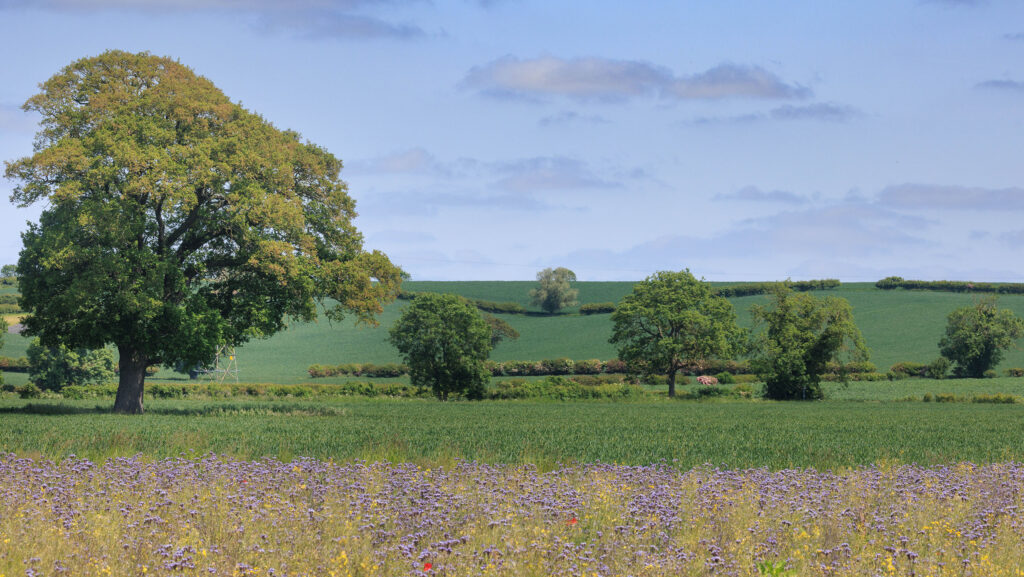 ©Tim Scrivener
 As the 2025 payment window for Countryside Stewardship and Environmental Stewardship opens, December is proving a financially challenging month for many farm businesses.
While the Rural Payments Agency (RPA) reports that more than three-quarters of eligible English farmers have already received payments, totalling £435.6m, the reality on the ground is more complex.
The RPA confirmed that 28,351 payments have been made to date, but 25% of eligible farmers have yet to receive funding, creating a system of “haves and have-nots”.
See also: Defra grants one-year CS lifeline for 5,000 farmers
Neil Hornby, RPA chief executive, said: “We’ve made a strong start to the 2025 payment window and increased the number of payments made in the first few weeks compared with last year.”
While the schemes are designed to support sustainable food production and farm resilience, improving habitats, water quality, and carbon capture, many farmers report that these benefits do not immediately translate into financial stability.
With direct support payments drastically reduced, farm businesses in England no longer have the financial buffer they have relied on in previous Decembers.
For many, the maximum payment per individual business – capped at £7,200 – is nowhere near enough to cover pressing end-of-year bills, including feed, energy, and labour costs.
In addition, the Sustainable Farming Incentive (SFI) remains closed to new applicants in England and is unlikely to reopen until late spring at the earliest, leaving smaller or newer entrants without access to this support.
NFU response
Further cuts to direct payments

Explore more / Transition
During the series we follow our group of 16 Transition Farmers through the challenges and opportunities as they seek to improve their farm businesses.
Transition is an independent editorial initiative supported by our UK-wide network of partners, who have made it possible to bring you this series.
Visit the Transition content hub to find out more.
