

Ffermio Bro budget rises after strong farmer demand
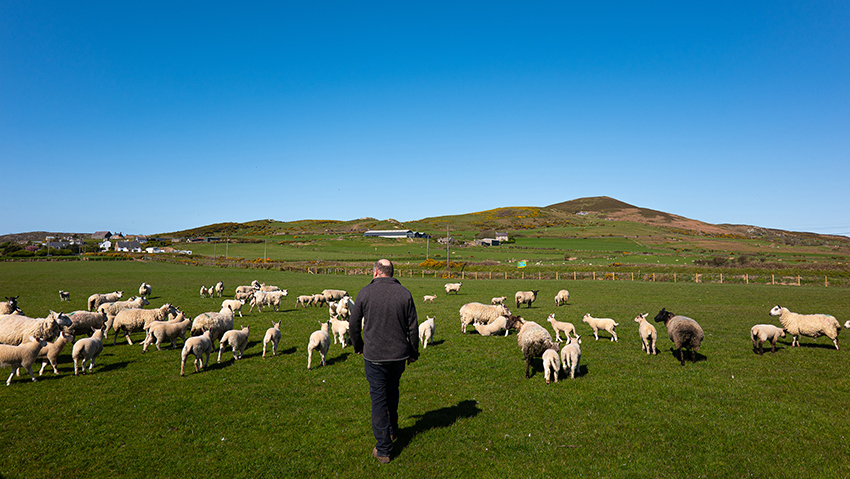 © Lafan
 A Welsh government scheme supporting nature-friendly farming has allocated almost all its first-year funding after attracting strong interest from farmers across protected landscapes.
Ffermio Bro, launched by the Welsh government in May 2025, has committed £1.52m of its £1.6m capital budget to projects in Wales’ national parks and national landscapes, with demand exceeding the funding available.
Funding for the 2026-27 programme is now open through individual national parks and national landscapes, with the capital budget increasing to £2.7m.
See also: Extra funding for Welsh Ffermio Bro agri-environment scheme
Developed as a precursor to the Collaborative layer of the Sustainable Farming Scheme, the initiative supports farmers working together on projects such as hedge planting, flood management and habitat restoration.
Achievements
Backed by a total government investment of £2m, the scheme funded 81 projects involving about 200 farms during 2025-26.
The work completed in the first year includes creating or restoring 43.6km of hedgerows, 4.5km of drystone walls and 94km of woodland, while more than 83,000 native trees have been planted.
Funding has also supported improvements to 21km of waterways and the creation of 47 ponds to boost biodiversity.
Habitats established through Ffermio Bro will count towards future Sustainable Farming Scheme requirements, enabling farmers to build on the work under the new support programme.
Cabinet secretary for rural resilience and sustainability Llyr Gruffydd said the scheme was already delivering benefits for both the environment and farm businesses.
“The scheme is already delivering real results, restoring hedgerows, meadows and woodlands, protecting our rivers, and strengthening the ecological health and character of these landscapes.
“These actions are not only good for nature, they also make farm businesses more resilient and sustainable, supporting healthier soils, better water management, reduced risk and stronger long-term productivity.”
Collaborative working
The scheme encourages neighbouring farms, or those managing similar habitats or species, to work together with support from local project officers.
National programme lead Lawrence Harris said the first year had exceeded expectations.
“We have begun to have a transformative impact across the designated landscapes, helping both farms and nature to become more resilient. But this is just the beginning.”
He said the larger budget for 2026-27 would allow more and bigger collaborative projects, including work to improve water quality across entire river catchments, restore habitats, and protect priority species.
Explore more / Transition
During the series we follow our group of 16 Transition Farmers through the challenges and opportunities as they seek to improve their farm businesses.
Transition is an independent editorial initiative supported by our UK-wide network of partners, who have made it possible to bring you this series.
Visit the Transition content hub to find out more.
