FW to showcase farming careers at science and technology festival
 © AlistairVeryard.com
 Research meets robots at the New Scientist Live event this year when once again Farmers Weekly and its partners will be bringing agriculture to life for a non-farming audience to encourage them to think differently about science, technology and maths (Stem) careers in the sector.
Increasingly, agriculture needs people with expertise across a broad range of Stem disciplines, yet for those interested in these subjects, farming may not be the first industry that comes to mind.
See also: UK trials seek to unlock chickpea break crop potential
The Future of Agriculture zone at the event, taking place from 10-12 October at ExCel, London, aims to change that by giving visitors a glimpse of the technology behind their food and the questions the industry is working to answer.
Exhibits will explore everything from where our food comes from to the environmental challenges facing the industry and the people shaping its future.
Conveying the importance of this, says BASF’s head of communications for agricultural solutions UK & Ireland, Mia Belfield, is critical for agriculture: “Without farmers and their care, commitment and resilience, there would be no food on our tables,” she says.
We’ll be challenging the stereotypical view of the industry as old-fashioned, low-skilled and slow-moving, and opening the conversation about the cutting-edge career possibilities that can make a difference to everyone on the planet.
What is New Scientist Live?
The world’s biggest festival of ideas and discoveries runs from 10-12 October at ExCeL London.
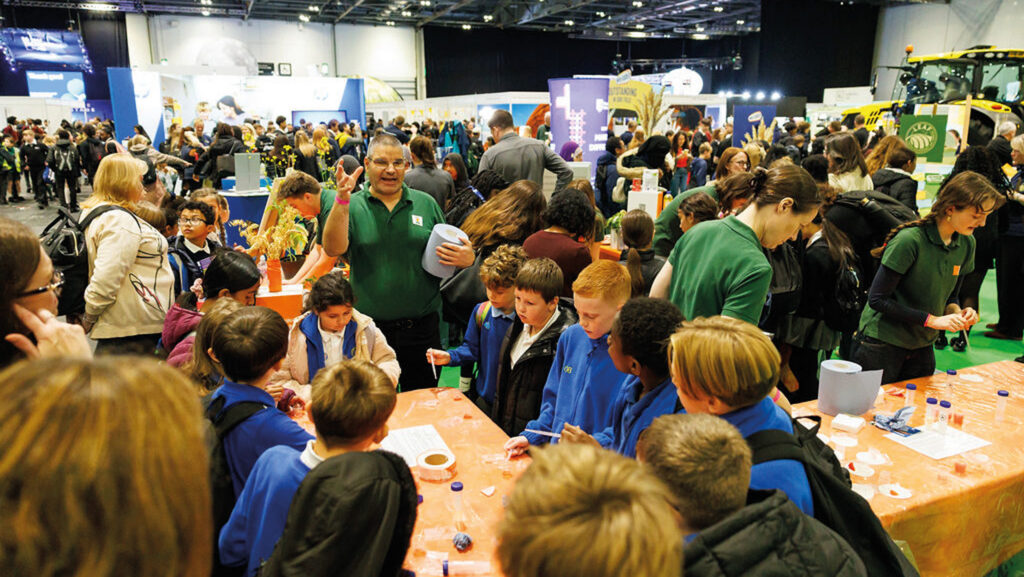
New Scientist Live attracts thousands of people every year, including career-minded science, technology, engineering and maths (Stem) students.
Over the three days, visitors can get hands-on with interactive exhibits across the show floor and be inspired by thought-provoking talks. For more information visit live.newscientist.com
What’s on show?
Food chain focus
- At Arla’s stand, visitors can step into the world of dairy farming and discover where their milk comes from. They’ll meet farmers and take part in hands-on activities exploring the science, technology and innovation behind getting milk from farm to fridge.
- KWS will chart the journey from seed to product, exploring the different stages of the food chain along the way. The variety quiz will challenge people to match crops to their seeds and the everyday foods they become.
- Weetabix will be looking at how science, sustainability and innovation transform a tiny grain into the cereal on supermarket shelves. Joining Weetabix, Map of Ag will be showcasing how it can help growers make evidence-based decisions and use resources more efficiently.
© AlistairVeryard.com
Education and training
- At Harper Adams University’s stand, visitors can learn how researchers are using seismology and simple hammer taps to assess soil health. The Earth Rover Programme uses seismic waves, sensors and AI to map soil properties quickly and affordably, with the potential, according to Harper, to transform soil monitoring and help farmers worldwide identify the best soils for food production.
Meanwhile, four students at the university’s main Shropshire campus will be tackling the global issue of food waste by showing how rescued surplus ingredients can be turned into nutritious snack bars. - Over at the UK Centre for Ecology and Hydrology (CEH) stand, scientists will answer questions such as: What food will be grown in the UK in 2050? How can we choose meals that need less water? And how can technology help us find out what wildlife lives on farms?
- Visitors can explore the science behind sustainable food and farming at the Royal Agricultural University (RAU) stand through a fast-paced interactive challenge. Choosing from a range of farming actions, they’ll put their decision-making skills to the test and see what impact their choices could have on soil health, biodiversity and the resilience of farming systems.
- “New Scientist Live gives us the perfect opportunity to showcase the exciting, varied careers available,” says partner MDS, which provides management training for the food sector. Its fun Buzz Wire challenge tests show-goers’ patience and concentration skills, while the “Can you feed the world?” quiz adds a serious edge to help start the conversation about gaining the experience, skills and confidence to become an ag leader.
- Tesco will bring its Future Farmer Programme, in partnership with Harper Adams’ School of Sustainable Food and Farming, to the show. The annual initiative helps encourage more young people to explore careers in food and farming.
Big tech
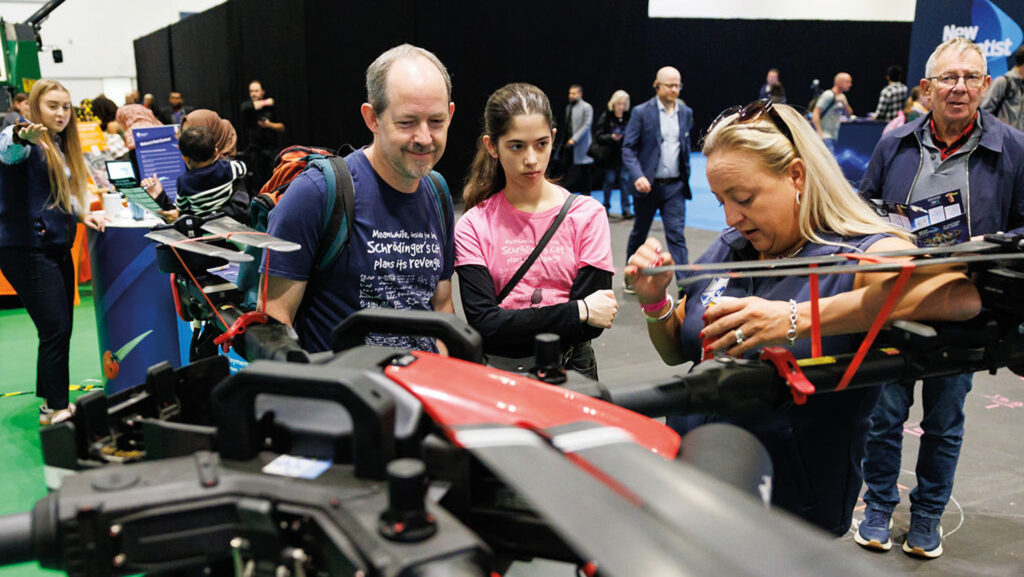
- Agricultural kit creates a huge buzz on the show floor every year, especially the huge machinery already working in fields. Visitors can climb aboard a Weetabix tractor and Massey combine to discover the technology that helps farmers grow food. And IAgrE members will be on-hand to engage and enthuse the visitors about a career in agricultural engineering.
- Those curious to see how robots could shape farming’s future can see Harper Adams’ research in action. The university is exploring how humanoid robots could replicate human movement and, unlike machines designed for a single task, adapt to a wide range of agricultural jobs and environments.
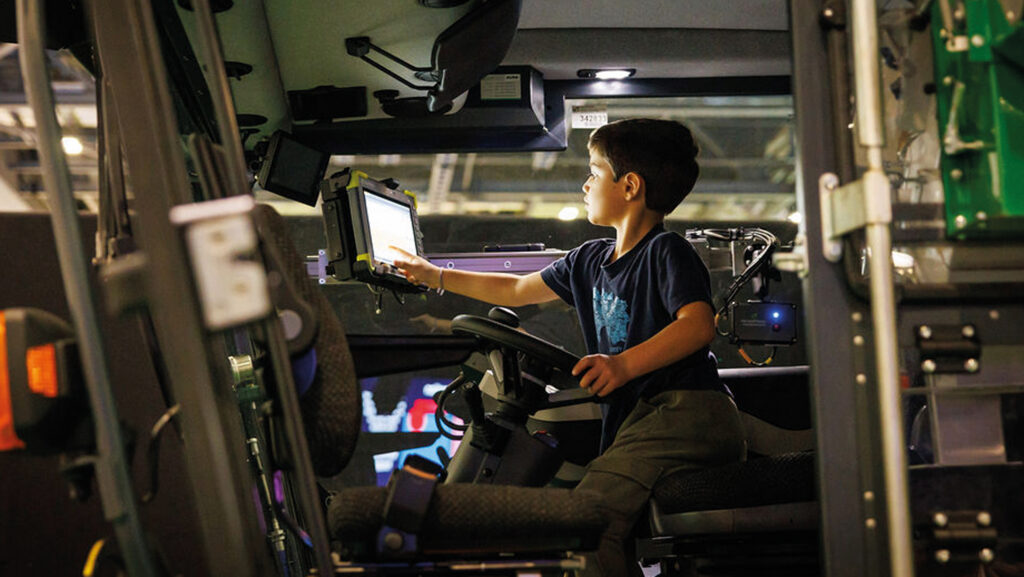
© AlistairVeryard.com
Meeting farming’s challenges
“A more resilient, sustainable and data-led supply chain is vital for the future of the agri-food industry,” says Weetabix senior technical manager James Croskell.
“It’s an exciting, fast-moving sector, and we need the next generation of scientists and engineers to help tackle environmental challenges and support the industry’s future.”
By connecting people with the businesses, scientists and engineers shaping the sector, FW and partners are on a mission to engage the hearts and minds of talented individuals who can help drive that future.
Natalie Smith, Tesco’s head of sustainable agriculture and fisheries, adds: “The future of British agriculture depends on attracting the next generation of talent, and we’re proud to showcase the innovation, opportunities and skills that make farming such a rewarding career.”