Farmer warns of hidden dangers of leptospirosis
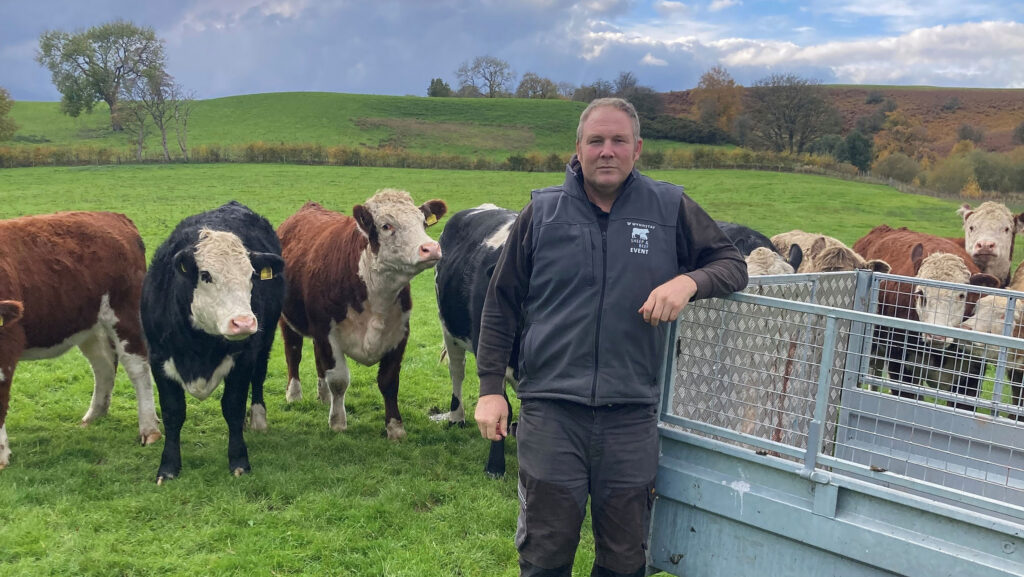 Aled Roberts © Aled Roberts
A Montgomeryshire sheep farmer who was hospitalised for 11 days with suspected leptospirosis is urging farmers to recognise the symptoms of the potentially fatal infection.
Leptospirosis is a bacterial infection spread through water or soil contaminated with urine from infected animals, particularly rats and cattle. Severe cases, known as Weil’s disease, can cause organ failure and prove fatal.
See also: How some farmers meet challenge of long-term health conditions
Mild and most common symptoms include flu-like signs such as high fever, severe headache, muscle and joint pain (especially in the calves and lower back), chills, nausea, vomiting, diarrhoea, and red eyes.
However, in more severe cases, symptoms can include yellowing of the skin and eyes (jaundice), kidney failure, liver failure, meningitis, or internal bleeding.
Aled Roberts, who farms 80ha and keeps 500 sheep near Llanrhaeadr ym Mochnant and manages a 400ha beef and sheep holding near Wrexham, became seriously ill over the August bank holiday, developing a high fever and severe pain in both calves.
Difficult diagnosis
Initially advised by NHS 111 that he had a virus, he sought emergency treatment four days later when his condition deteriorated and he developed jaundice.
By then, his liver and kidney function had been severely affected.
“I looked like Homer Simpson,” he recalled. “It was pretty grim at one time.”
Doctors initially struggled to identify the cause of his illness and administered intravenous broad-spectrum antibiotics.
“Because I’d been on the broad-spectrum antibiotic from the start, by the time they got to run the tests on lepto, there was no sign of it,” he said but added the consultant was 99% confident it was a case of leptospirosis.
Infection risk
He believes he may have contracted it while searching for alternative water supplies for his sheep during the summer drought.
With natural sources drying up, he had been drawing water from disused wells.
“Because it was so dry, there was no other water source.
“There are rats in the wildlife and so they’re probably going to the same water source, aren’t they?”
He had also waded knee-deep into mud to rescue a lamb from a dried-out lake.
“Because I’d been wearing shorts in the summer, I got cuts all on my legs,” he said.
Raising awareness
Mr Roberts initially needed a wheelchair after leaving hospital because of severe muscle weakness. Although back working, he continues to undergo blood tests to monitor his recovery.
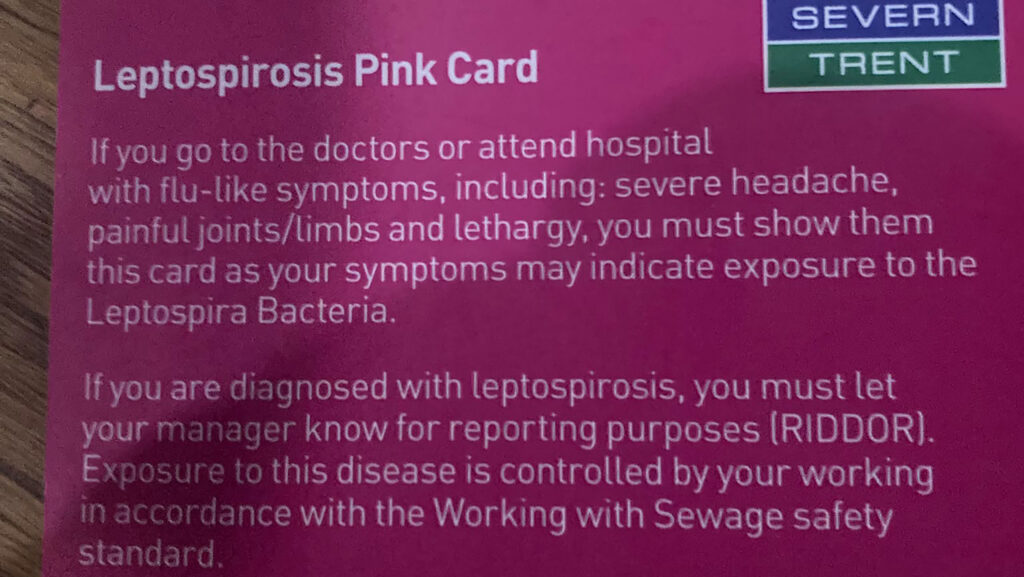
He is now urging farmers to carry leptospirosis warning cards, similar to those used by water industry workers, to alert medical professionals to possible occupational exposure.
© Aled Roberts
“More people need to be aware of it, really, because nobody knows much about it, and the doctors certainly don’t know about it.”
Farmers can reduce their risk by covering cuts, wearing protective gloves and avoiding direct contact with potentially contaminated water.