Farmers urged to tackle stress before reaching crisis point
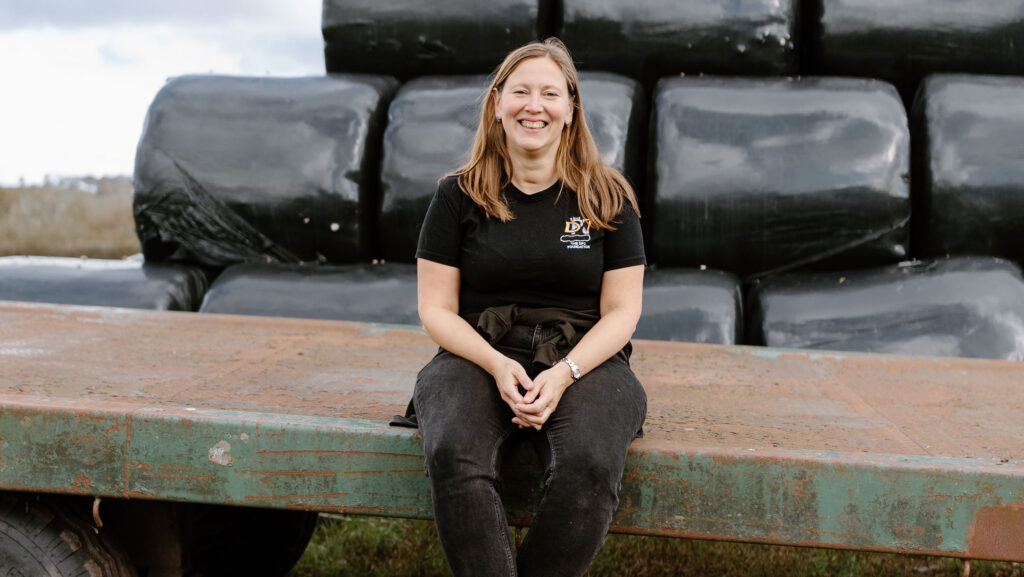 Kate Miles © DPJ Foundation
 Farmers are being urged to recognise mounting stress and seek support early, following a difficult year for the industry.
On World Mental Health Day (10 October), Kate Miles, charity manager at the DPJ Foundation, said attitudes towards mental health in farming are improving.
See also: Welsh farming optimism depends on wellbeing support
Historically, farmers have felt compelled to carry on regardless of their wellbeing, but this is beginning to change.
“There’s still a long way to go,” she said, although those unwilling to acknowledge mental illness were becoming a “shrinking minority”.
A challenging year
This year’s drought, wildfires and livestock disease outbreaks have added to pressures, Ms Miles said, with many farmers losing opportunities for downtime.
She was particularly concerned about the longer-term consequences of drought and bluetongue disease, including uncertainty over sheep scanning and lambing percentages.
“There’s a huge amount of uncertainty at the moment,” she said.
With winter approaching, she encouraged farmers to assess their circumstances, identify risks and establish what support is available.
“It’s really taking stock of where you are in the here and now. Who’s on your side? What are the resources that you can call upon?” she added.
Farming charities offer practical assistance, including the Addington Fund’s forage aid programme and drought-related grants for farmers facing winter feed shortages.
She also encouraged farmers to attend knowledge-sharing events, including Farming Connect activities in Wales, to access advice and maintain social connections.
“It’s so much easier to spiral downwards if you feel that you’re on your own.”
Managing stress
The DPJ Foundation encourages farmers to recognise mounting pressure using the concept of a stress bucket, which gradually fills as difficulties accumulate.
“Burnout is a real threat in the agricultural industry,” Ms Miles warned.
Identifying activities that relieve stress, whether exercise, taking breaks, writing down concerns or talking to someone, could help prevent pressures from becoming overwhelming.
“Whatever those things are, know what they are and try to build them into your routine,” she said.
This could make a difference to mental wellbeing.
Recognising struggles
Ms Miles also urged farmers to recognise when others might be struggling and feel confident initiating difficult conversations, particularly with those who conceal their feelings.
“Reaching out is really hard, but perhaps as an industry we need to be a bit better at reaching in.”
For World Mental Health Day, the foundation is promoting its Take 10 message, encouraging people to spend 10 minutes checking on someone, learning about mental health or managing their own stress.
Useful contacts
The following charities are all able to offer support:
- The Farming Community Network – email help@fcn.org.uk or phone 03000 111 999
- The Royal Agricultural Benevolent Institution – email help@rabi.org.uk or phone 0800 188 4444
- You Are Not Alone (YANA) – email helpline@yanahelp.org or phone 0300 323 0400
- The Royal Scottish Agricultural Benevolent Institution – email helpline@rsabi.org.uk or phone 0808 1234 555
- DPJ Foundation – email Kate@thedpjfoundation.co.uk or phone 0800 587 4262
The Health and Safety Executive also runs a Working Minds campaign website offering free digital tools and downloadable resources to help employers, managers, and workers promote good mental health.