First-generation farmer shares mental health insights
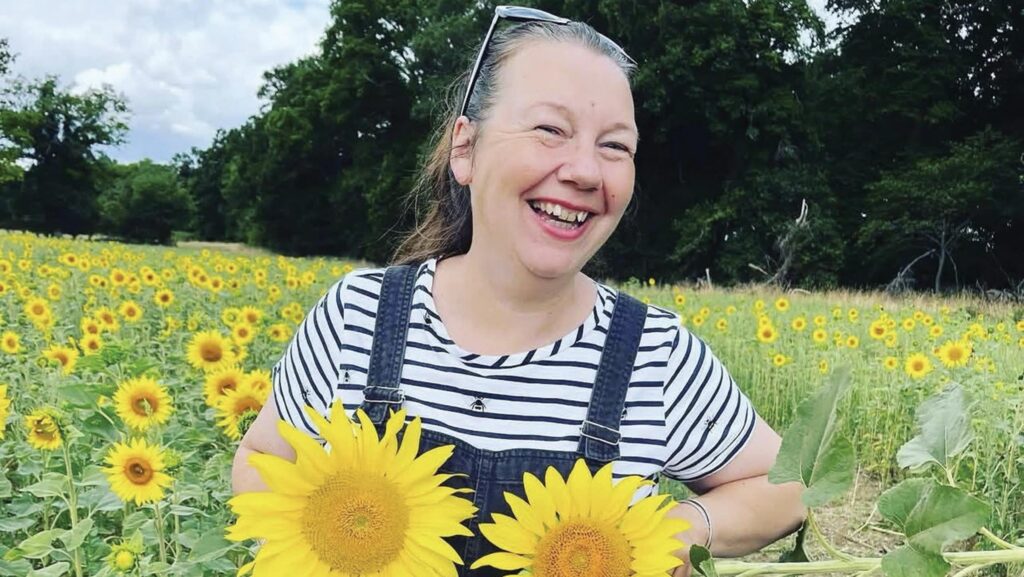 Olivia Shave © Olivia Shave
 In a quiet corner of Norfolk, Olivia Shave is redefining what it means to be a sustainable producer.
The founder of Eco Ewe and the 2024 National Women in Agriculture Sustainability Champion has built a business that is “zero waste”, transforming rare-breed wool into high-end knitwear and lifestyle goods.
However, for Olivia, the most critical resource on her farm has never been the soil or the livestock, it’s the mental wellbeing of the people managing them.
See also: How to build mental resilience in times of change
As a first-generation farmer who has experienced the effects of a mental health crisis in her own family, Olivia views mental resilience not as a luxury, but as a management priority.
“If the farmer isn’t supported mentally and emotionally, the system cannot be truly sustainable,” she explains.
“If you are exhausted or isolated, you cannot make sound, long-term decisions for the land.”
For new entrants and first-generation producers facing the pressures of land insecurity and capital demands, Olivia offers the following practical takeaways for building a resilient farming business.
Implement a ‘two-day’ decompression rule
In a 24/7 industry, the “always-on” mindset is a primary driver of burnout.
Olivia advocates for a non-negotiable boundary, ensuring everyone in the business has at least two days away a week to decompress.
Schedule time where you are physically off the holding. Use this time to recalibrate by stepping away from chores and focusing on restoration.
For Olivia, this often involves “going back out and almost doing nothing and just sitting with nature”.
She believes you must understand what your triggers are and place yourself as part of that whole ecosystem.
“You’re not working with the land, you’re part of it”.
Use a personal ‘sustainability filter’ for decision-making
New entrants often feel pressured to say yes to every opportunity that might help build their business.
Olivia suggests a more rigorous filter based on your own personal capacity.
“If something doesn’t benefit or sustain me essentially, or any members of the family, then it’s not a wise decision,” she says.
What is Eco Ewe?
Norfolk-based Eco Ewe is a circular, zero-waste agricultural business.
Founded by Olivia Shave in 2014 with just five lambs, the business had 80 ewes at its peak with 200% lambing.
Eco Ewe now incorporates a farm shop that stocks more than 250 products, all made by local producers.
© Olivia Shave
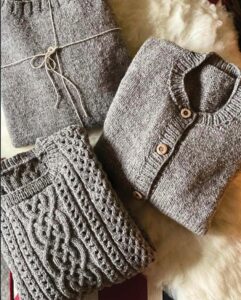
Eco Ewe’s meat and ready meals have garnered a Great Taste Award, while its high-end knitwear range aims to increase sustainability by making use of every part of the lamb.
The enterprise also focuses on education, bringing sustainability, ecosystems and British farming into classroom conversations across the UK via Soil Ed, which Olivia founded in 2025.
Prioritise collaboration over isolation
The traditional model of the “lone farmer” is a psychological trap for new entrants.
Without inherited knowledge or family networks, isolation can set in quickly.
Actively seek shared learning spaces and collaborative ventures
Whether it’s community-growing areas or informal networks with other first-gen producers, building a network reduces the psychological weight of management.
Shared equipment or labour-sharing agreements can also alleviate the physical and mental burden of solo operations.
Leverage the ‘new entrant’ mindset
While the lack of inherited knowledge is often seen as a hurdle, Olivia views it as a “blank slate” advantage.
Embrace your outsider status to challenge the ‘way it’s always been done’
First-generation farmers are uniquely positioned to build businesses that prioritise mental health from day one, rather than trying to retroactively fix a culture of burnout inherited from previous generations.
Carry the ‘authenticity kit’
The pressure to conform to a specific “farmer image” can be draining. Olivia credits her success to staying grounded in her own values rather than trying to fit a traditional mould.
“Always show up being your authentic self,” she advises.
“Never try to be anything else. Don’t ever try and swim in someone else’s lane. Just understand your own worth.”
Join the network
Hear more from Olivia Shave and other inspirational people shaping agriculture by joining our Women in Agriculture Network, an online community dedicated to celebrating, supporting and connecting women in the industry.
Go to the Women in Agriculture Network website to get advice, make new connections and enjoy exclusive benefits, such as access to weekly online events, career growth support and year-round conversation.