Perthshire farmer turns venison into 20,000 food bank meals
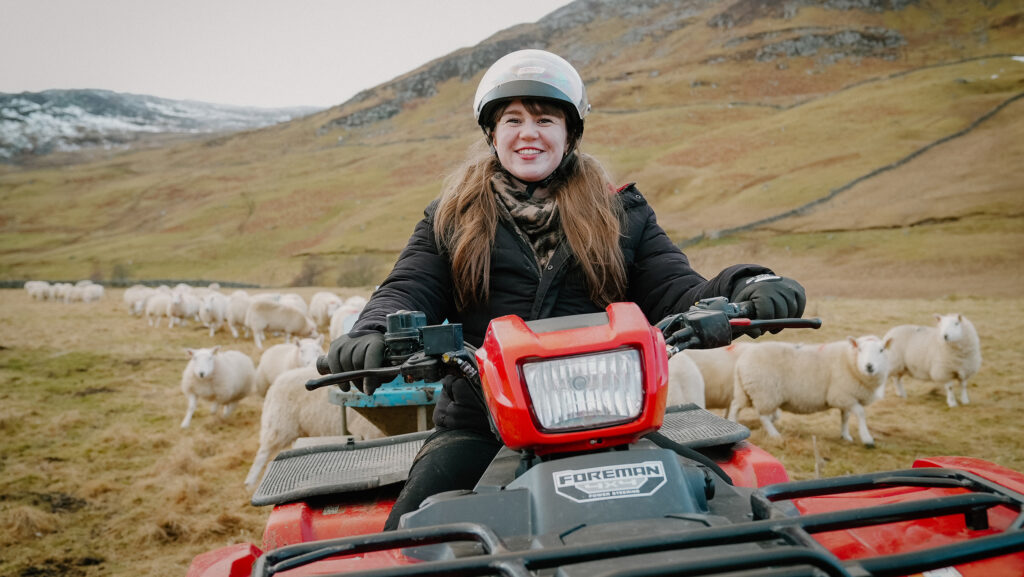 Helen Stewart © Fair Feast
 A Perthshire farmer has helped provide the equivalent of 20,000 meals to families in need by redistributing venison from responsibly managed wild deer to local food banks.
In its first year, the Fair Feast initiative – founded by farmer and social entrepreneur Helen Stewart – has supplied about 2t of locally sourced venison to community food projects across Highland Perthshire.
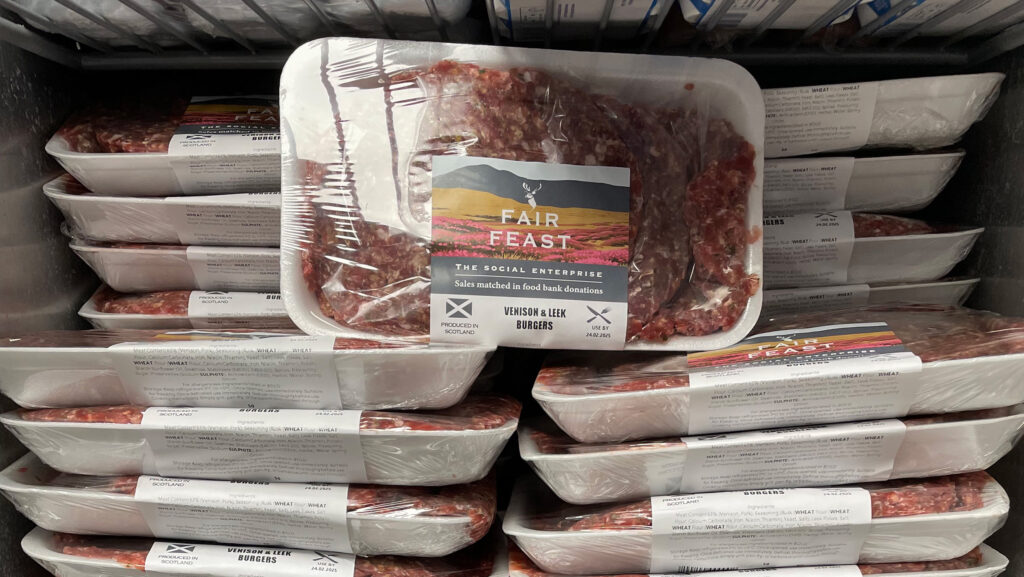
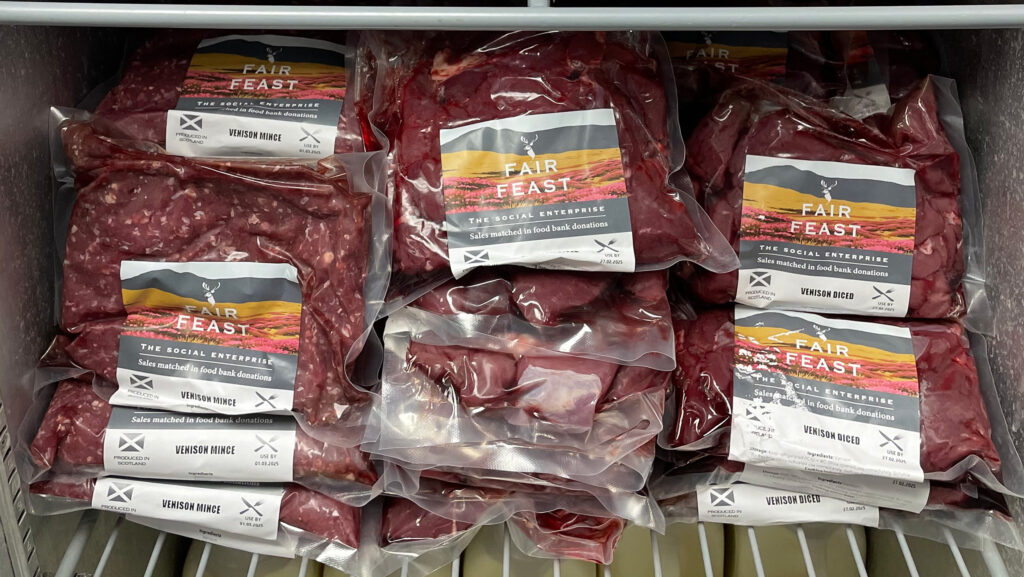
The meat, which might otherwise go unused, has been processed into familiar products such as sausages, mince, burgers and meatballs to support families experiencing food poverty.
See also: UK food supply chains at risk of major shocks
Ms Stewart is now expanding the project with the opening of a social enterprise butcher shop in Pitlochry, aimed at increasing the volume and consistency of wild venison donations.
The development, supported by UnLtd, the Foundation for Social Entrepreneurs, will also enable surplus and short-dated products to be redirected more efficiently to food banks and community larders.
Rising demand
The initiative comes amid rising demand for emergency food support.
Figures from the UK food charity the Trussell Trust show more than 3.1m food parcels were distributed across its network in 2023–24, including over 1m for children – the highest level recorded.
Ms Stewart said: “Food banks are at an all-time high for demand. Sometimes we are dropping off 100 packs of venison, and it feels like a drop in the ocean.”
Fair Feast has sought to make venison more accessible by processing it into everyday items and hanging the meat for a shorter period to produce a milder flavour.
© Fair Feast
© Fair Feast
Exceeding deer numbers
The project was inspired by challenges on Ms Stewart’s family farm near Pitlochry, where deer numbers far exceed sustainable levels.
About 650 red deer currently graze land suited to about 50 animals, leading to pressure on habitats and grazing resources.
With no natural predators in the UK, controlled culls are necessary to protect biodiversity and sensitive environments such as peatlands, though the resulting meat is not always utilised.
“When we have food surpluses and people who are hungry, it really becomes a matter of redistribution.
“If we can donate tens of thousands of meals from just one farm, imagine what could happen if that was rolled out across Scotland,” added Ms Stewart.