Alice Littlewood: Young adults need to know ‘real food’ facts
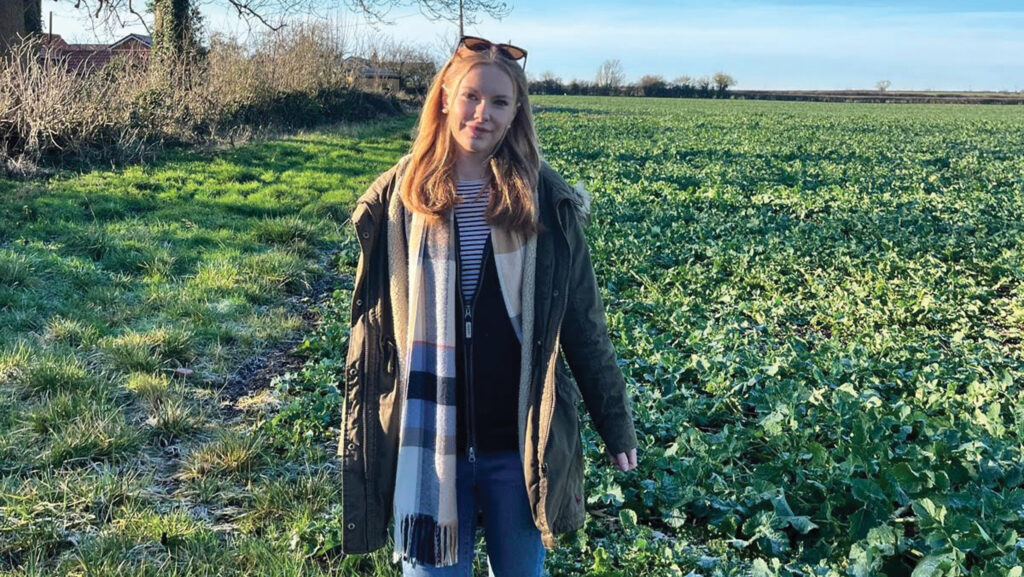 Alice Littlewood © Alice Littlewood
 Walk around a supermarket and, chances are, you’ll see more plastic wrap than actual food in most people’s trolleys.
Boxes and boxes of frozen, beige, processed foods, or plastic-wrapped strawberries in the middle of winter.
Ask most schoolchildren, meanwhile, where food comes from and a worryingly large number would say “the shop”.
See also: Alice Littlewood – farmers need to show what they’re fighting for
About the author

So many young adults live on ready meals that it would be impossible for them to point to the plant or animal the “food” comes from.
How can we respect what it takes to grow and prepare our food if what we are actually eating bears no resemblance to what it once was?
There must be a strong correlation between the rise of “not-quite-food” consumption, the birth of the microwavable meal, and the declining respect for farming since the 1970s.
The education many young people receive about nutrition, food and where it comes from is just not good enough.
We’ve all heard TV chef Jamie Oliver tell us how important it is that kids eat properly and understand what they’re eating, but it’s not happening nationwide.
There is a huge lack of education, despite food being part of everybody’s life three times a day, 365 days a year, plus being the number one determining factor in our overall health and quality of life.
A six-week term usually involves one personal, social, health and economic (PSHE) topic, split (in my school) into one 20-minute form-time lesson per week.
Those two hours have the potential to make an enormous difference.
I am a huge believer in the idea that in order to care, or execute a change in behaviour, children and young people first have to understand a topic.
If young people understood the process of rearing pigs to make sausages or growing wheat to make bread it would highlight the massive differences in the quality of nutrition between these and less healthy options, and encourage us to choose real foods that we can understand the “story” of.
I’d love to see the government and education system make more effort to help young people make better eating choices for the rest of their lives.