Ben Blacker: 5 takeaways from this year’s flash harvest
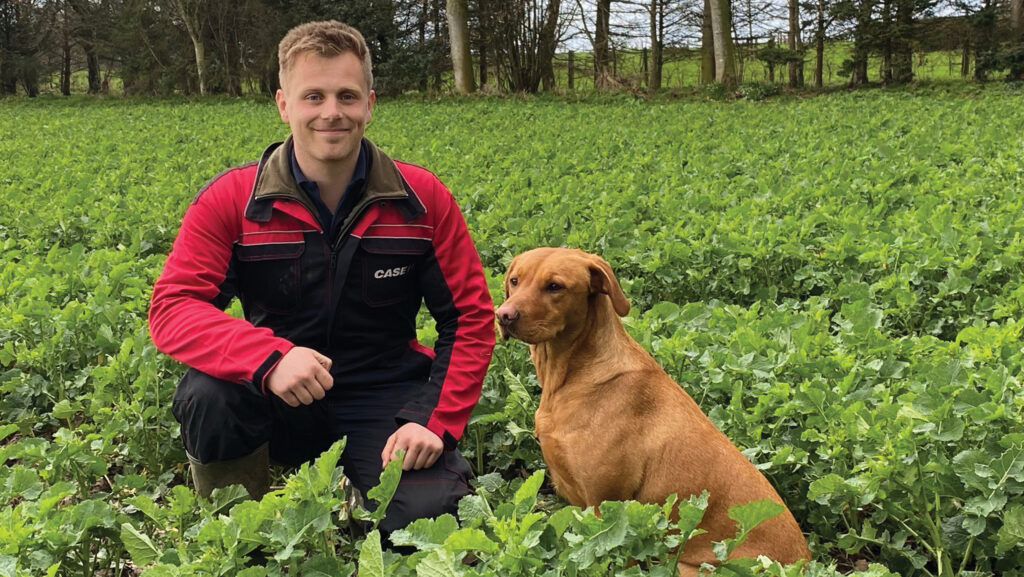 Ben Blacker © Supplied by Ben Blacker
 Harvest has come and gone in a flash this year.
Apart from oilseed rape, yields have been disappointing – particularly considering how promising things looked two months ago, before the drought and heat took their toll.
I’m not even going to mention our spring beans.
See also: Ben Blacker – it’s a ‘no’ for now to diversification
About the author

It hasn’t all been doom and gloom. Crop quality is good, we’ve had no major breakdowns, I’ve kept my eardrums intact with no drying, and we’ve combined everything in friendly hours.
It’s also been a record-early finish for us. Normally we’d be straight into land work, but the dry ground has put a hold on that.
Perhaps I should have spent a couple of weeks with my feet up down in Devon! Instead, I’ve been reflecting on the lessons learned.
1. Keep it simple
We’ve grown too many crops and varieties. My shed corners are full of bits and pieces.
From a handling and storage point of view, I’m not sure it’s worth it. More crops don’t necessarily mean more profit.
2. OSR still earns its place
If you can get it established in the autumn, OSR remains a valuable part of our rotation, particularly at current prices.
It’s certainly not without its risks, but this year has reminded me why we keep growing it.
3. Spring crops are a gamble
Without meaningful rain during the growing season, spring crops simply aren’t worth it. In the current climate, I’d have more chance of success going to Vegas.
4. Ignore the pub yields
Only you know your inputs, costs and selling price. Farm your own numbers, not someone else’s bragging rights.
5. Fewer hours are better
Long hours are often worn as a badge of honour, but fewer hours mean less stress, fewer mistakes, more alert operators and a happier workforce.
The economics make this difficult but, where we can, fewer hours should be the aim.