Daisy Wood: Farmers are key to better research outcomes
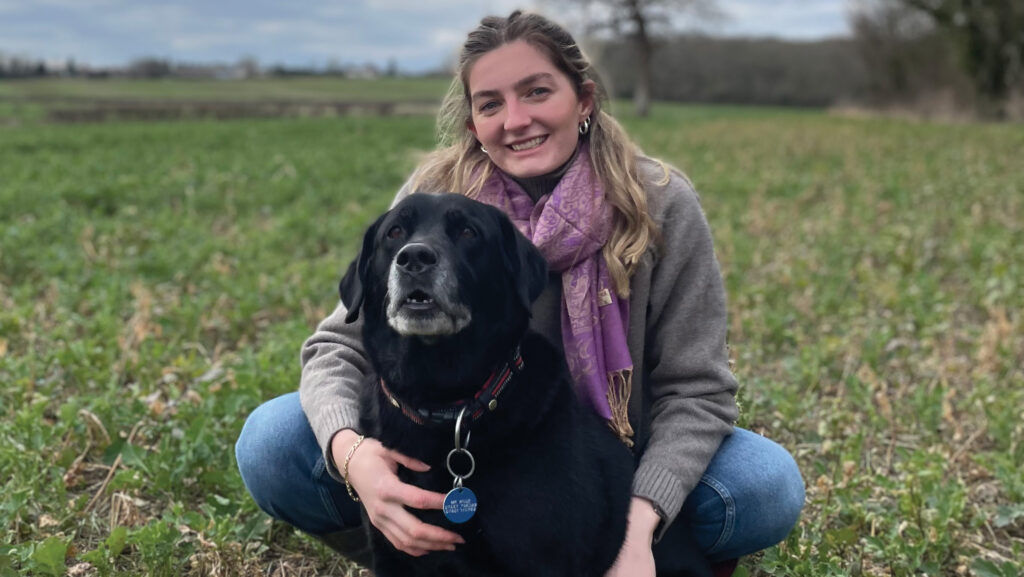 Daisy Wood © Daisy Wood
 One of the most interesting parts of my role as a knowledge transfer manager is translating academic research into practical information that farmers and processors can actually use.
Sitting between the worlds of academia and agriculture has highlighted how differently each operates, and why there is often a disconnect between the research being conducted and the questions farmers need answering.
See also: Daisy Wood – seeing how others farm is a great investment
About the author
Researchers are trained to work in highly controlled environments. They want trials that can be repeated, variables that can be measured precisely, and results that stand up to scientific scrutiny.
This often leads to research that is highly specific, sometimes focused on a very narrow set of conditions.
While that level of detail is important, it does not always translate directly to the realities of commercial farming, where no two fields, farms or seasons are the same.
Farmers, on the other hand, need practical solutions. They want to know whether a new approach will work on their farm, in their system, and under real-world conditions.
They need research that helps them make decisions, improve productivity and manage risk.
The challenge is that there is still a significant gap between these two worlds.
Differences in experience, language, working practices and priorities can make collaboration difficult.
Yet many researchers are eager to work more closely with farmers and carry out research that delivers genuine on-farm value.
The problem is often not a lack of willingness, but a lack of access. Researchers can struggle to connect directly with farmers and gain a clear understanding of the challenges they face day to day.
This is why farming has an untapped resource sitting on its doorstep. Universities and research institutions are actively looking for industry partners and for opportunities to test ideas in real farming environments.
By engaging with them, farmers can help shape research questions, ensure projects address real-world challenges and gain early access to new ideas and innovations.
Funding often covers farmer involvement, meaning participation can be financially worthwhile as well as professionally rewarding.
If we want research to answer the questions that matter to farming, we need to engage with researchers.
The more farmers contribute their knowledge, experience and priorities, the more relevant and practical future research will become.