Foundation grant helps new talent build farming careers
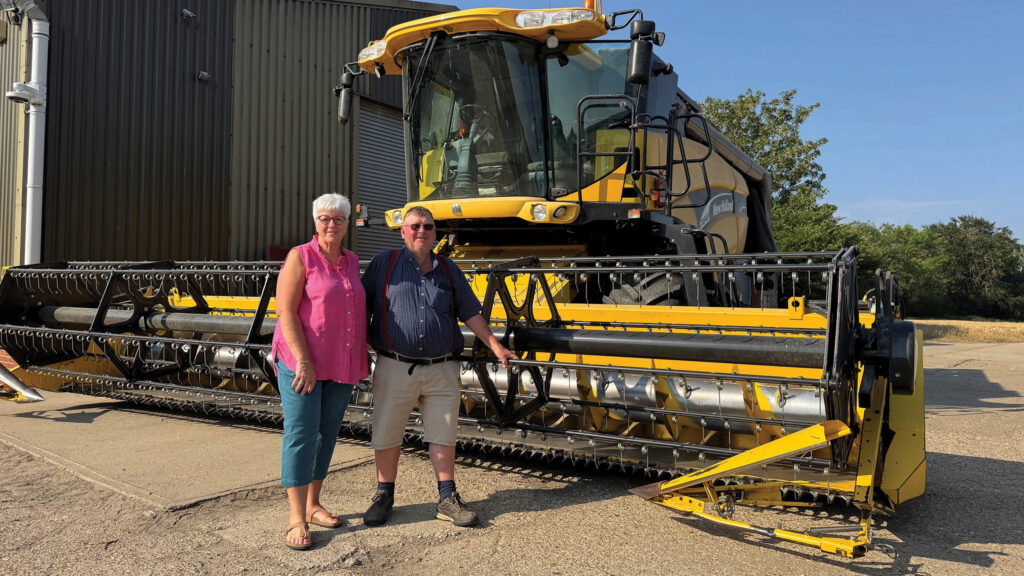
Cyndy and Tim White © Daniel White
Helping young people build careers in agriculture, rather than leaving the industry to struggle with an ageing workforce, is the driving force behind the creation of the Tim White Countrywide Foundation.
Founded by fourth-generation Cambridgeshire arable farmer Tim White and his wife Cyndy, the foundation provides grants up to £5,000 (per application) to people looking to develop practical skills and gain industry-recognised qualifications that might otherwise be beyond their financial reach.
See also: New entrant training fund launched in Scotland
Tim, who farms about 243ha with his family near Cambridge, says he wanted to use money from a previous business deal to support the future of the industry.
“Farming is a bit fickle at the moment, and there’s very little support out there,” he says.
“I thought I could utilise [the money] better by helping people through training and retraining.”
Modern farming requirements
The foundation focuses on people committed to a career in agriculture, helping fund courses, qualifications and certificates needed to work on modern farms.
Grants can support courses such as Basis training, forklift certification, pesticide application qualifications and machinery operation, giving recipients the credentials employers increasingly expect.
Tim believes this practical support is vital as farming becomes more professional and heavily regulated.
“Gone are the days when you sat on a tractor and learned how to do it yourself,” he says.
“The youngsters coming into the industry now can’t do anything without being trained and having a certificate.”
Cost barrier
Foundation trustee Cyndy White says the cost of training can be a significant barrier for students and new entrants.
Basis training alone costs almost £4,000, while forklift and pesticide application qualifications can run into hundreds of pounds each.
“People have to find a lot of money,” she says. “Farmers can’t always afford to put students through because you never know whether they’re going to stay or not.”
The charity is mainly for students, apprentices, and new entrants looking to progress their careers by gaining additional qualifications.
But it also supports people already working in farming who want to take on greater responsibility through specialist training.
Ageing workforce
Tim also believes investment in skills is becoming increasingly important as the industry faces mounting pressures from rising costs, tighter regulation and an ageing workforce.
“We need to attract new people into the industry and retrain the people who want to get on,” he says.
“Fewer and fewer farmers are staying on, and you’re not bringing new blood in and promoting the industry as a viable alternative.”
Despite the challenges facing agriculture, he hopes the foundation will encourage more people to build long-term careers in farming by removing some of the financial barriers to essential training.
Last year, the foundation granted around £13,000, and this year alone it has helped people with more than £25,000.
Tim is encouraging those in the industry who need a helping hand to pay for training to get in touch via his website.
Delamere Dairy Foundation offer £5,000 grants
Farmers are being encouraged to apply for grants of up to £5,000 from the Delamere Dairy Foundation, particularly for projects that involve giving something back to rural communities.
The independent charity, established in 2021, has so far awarded about £280,000 and expects to distribute a further £80,000 this year. Funds are typically targeted at:
- The advancement of agriculture and environmental protection
- The development of young people to become contributory members of society
- The relief of financial hardship
- The advancement of education
- The relief of sickness.
Patrick Brunt, Delamere Dairy commercial manager, says relatively few applications have come directly from commercial farms, but there is certainly scope for more farming-related projects.
“One funded project, Let’s Farm, uses a smallholding to give disadvantaged and disabled people safe, supported access to animals and the countryside,” he says.
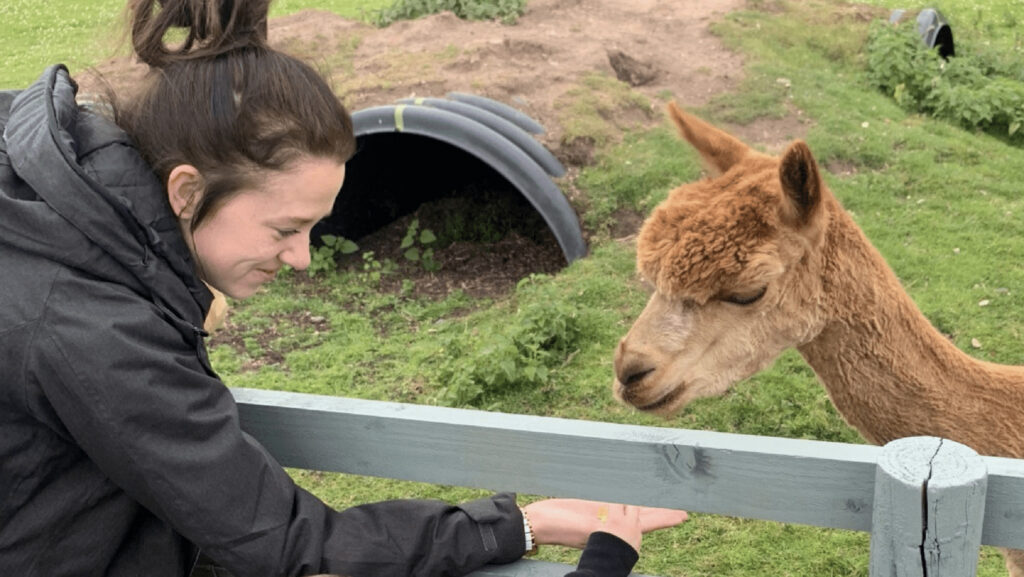
© Delamere Dairy Foundation
Others have provided sheep or chickens for people with learning difficulties to care for, sometimes linking their activities with local farmers’ markets.
Patrick advises applicants to demonstrate how their project meets as many relevant objectives as possible, while keeping proposals simple, specific and properly costed.
Farmers should not be put off applying, he adds, and can do so via the charity website.