Jess Tilley-Moore: Ag education needs to inspire new entrants
 Supplied by Jess Tilley-Moore
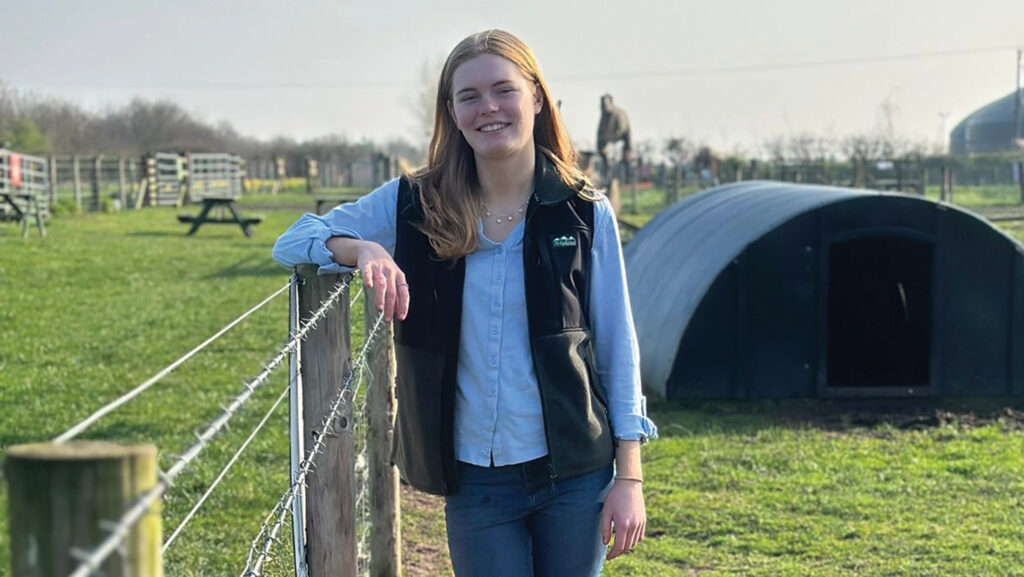
 It tends to confuse people when they find out I own a flock of pedigree sheep at 20 years old – mainly because I’m young, female and didn’t grow up on a farm.
It seems some still expect farmers to all look like the stereotypical image and I don’t fit into that category.
But the reactions say more about society’s understanding of farming than they do about me.
See also: Jess Tilley-Moore – an ag degree alone doesn’t make you a farmer
About the author
Despite every person in Britain relying on agriculture three times a day, farming is still almost invisible in schools.
Children can recite the quotes of Romeo and Juliet, but many couldn’t tell you when lambs are born or where flour comes from.
Some genuinely think milk simply appears in supermarkets by magic overnight. Newsflash, it doesn’t!
As a “farm education leader” at work, I see how powerful agricultural education can be. The moment young people step onto a farm or speak to someone in the industry, something changes.
Suddenly farming becomes real, not just a stereotype involving muddy wellies and broken gates.
Organisations such as Farmer Time are doing exactly what the industry needs.
By connecting farmers directly with schools through live video calls, children can ask everything from “Why do sheep need shearing?” to “Do farmers actually name all their animals?”
It gives young people an honest insight into food production, animal welfare and life in the countryside, direct from the people living it every day.
That connection is vital because the future of agriculture depends on the next generation understanding it.
British farming needs new entrants, fresh ideas and young people who feel inspired to join the industry, whether they are from an agricultural background or not.
Without agricultural education, we risk raising generations who are completely disconnected from their food, their countryside and the people producing it.