

Advice for preventing TB in Scotland when buying cattle
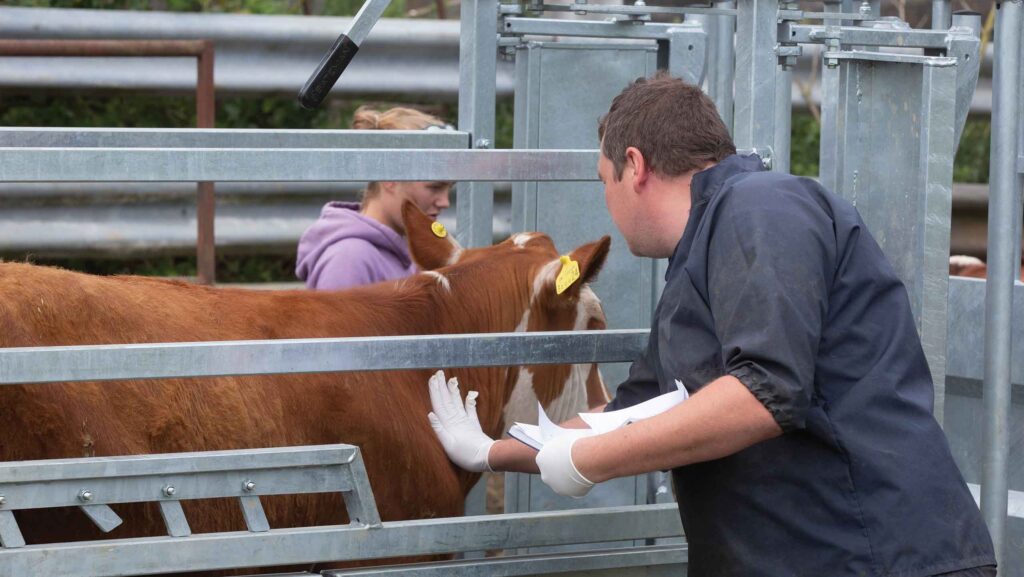 © Tim Scrivener
 Bovine TB cases in Scotland are increasing, with 31 new herd breakdowns recorded in the year to March 2026. Although herd prevalence remains low, at just 0.1%, and Scotland has retained its official TB-free status, this represents a 15% increase on the year.
See also: 10 tips for safe cattle handling during TB testing
Wigtownshire and Ayrshire were the worst-affected areas, each recording nine new herd breakdowns.
The two counties are in south-west Scotland’s dairy heartland, and disease investigation reports by the Animal and Plant Health Agency indicate all outbreaks were caused by cattle-to-cattle spread, with no evidence of TB in wildlife.
Most breakdowns are linked to the purchase of infected cattle.
Sarah Tomlinson, lead veterinary science expert at AHDB and technical adviser for the TB Advisory Service in England, says while the number of infected herds is “tiny”, for those farmers dealing with a TB breakdown, the effect on the business, animal welfare and people involved is massive.
Cumbria was officially TB-free before a cluster of breakdowns emerged from 2014 after the disease was introduced by cattle imported from Ireland and became endemic in the wildlife.
Enhanced surveillance and wildlife control have since reduced TB to levels seen in low-risk areas, but Sarah says it should serve as a stark warning to Scottish farmers.
“We don’t want to get to that point in dairy-dense areas of Scotland where the disease becomes endemic in cattle or wildlife.”
Below, she outlines how Scottish farmers can mitigate risks when buying cattle.
1. Use tools to inform trading decisions
Information bTB (ibTB) is a free interactive map showing the location of ongoing and closed TB breakdowns in England and Wales at herd level over the past 10 years, alongside individual animal TB history in England.
Cattle Health Certification Standards TB-accredited herds are scored by the number of years they have been TB free and must adopt biosecurity protocols to reduce breakdown risk.
Knowing a farmer is taking proactive steps to reduce disease risk may be better than simply buying from a low-risk area, particularly if the herd’s TB testing history is unknown, advises Sarah.
2. Interrogate skin test results
The standard skin test measures an animal’s immune response to avian and bovine lumps and compares them. Exposure to benign environmental mycobacteria can trigger swellings at both sites, potentially masking cattle genuinely infected with TB.
Assessing the bovine tuberculin injection site reaction could help identify infected animals. This is done in most of mainland Europe and New Zealand, as well as to identify high-risk animals in the Pembrokeshire TB pilot.
Farmers purchasing animals can ask for the skin test results and interpret the bovine-only reading with their vet. Cattle identified as higher risk can then be managed in the same way as for other infectious diseases such as Johne’s, says Sarah.
3. Isolate animals to reduce cattle-to-cattle spread
Post-movement TB tests are required between 60 and 120 days of arrival into a Scottish herd for certain high-risk animals.
Sarah recommends a further step: isolating bought-in cattle and running them separately until they complete the test. If an animal becomes a reactor, this will help limit disease spread to the rest of the herd.
4. Reduce wildlife spread
The aim is to keep Scottish wildlife TB-free by preventing cattle from infecting badgers. Contact between wildlife and cattle can be restricted by:
- Raising water troughs and mineral buckets
- Restricting access to feed stores/avoiding feeding cattle on the ground when at pasture
- Using wildlife cameras to observe badger activity and restricting cattle access to latrines and setts
- Using smooth metal sheets to prevent badgers gaining access to sheds (they can climb at least 1.5m) and seal gaps of more than 7.5cm
- Closing gates and doors at night
- Using permanent electric fencing around the farmyard.
For more information on biosecurity, visit the TB Hub.
• Sarah Tomlinson was speaking at recent meetings hosted by AHDB in Scotland.