

Beef welfare strategy aims to make cattle thrive, not cope
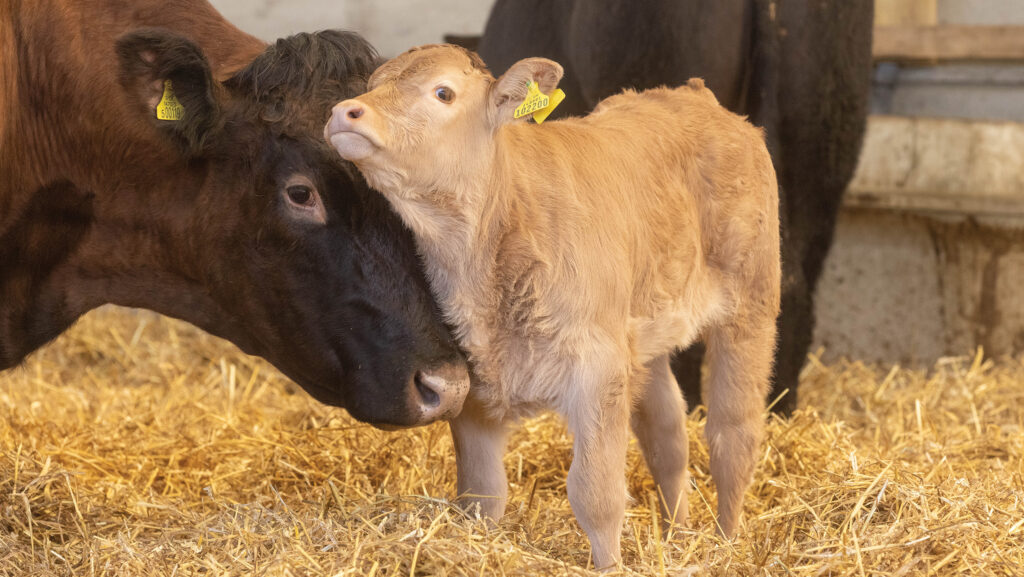 © Tim Scrivener
 A proactive and preventative approach to animal health, well-trained stockpeople, and an environment that enables beef cattle to thrive, underpin the ruminant sector’s latest strategy to improve welfare.
The Beef Welfare Strategy 2026-2031, just launched by Ruminant Health & Welfare (RH&W), has the backing of all four devolved nation chief veterinary officers, as well as wide industry support. It follows strategies previously developed for dairy, sheep and calves.
See also: How cattle handling upgrade improved safety and work rate
“There’s not an industry problem, but we shouldn’t ever think we can’t do better.
“We need to make sure we’re hitting the highest bar possible in everything we do,” says Neil Shand, chief executive of the National Beef Association and chairman of the Beef Welfare Strategy working group.
The strategy, which should be viewed alongside the GB Calf Strategy, comprises six goals:
- High health and welfare management
- Thriving stock
- Comfortable housing and environments (including at grass)
- Enhanced handling and stockperson skills
- Advancement of positive welfare
- Critical health planning.
Goals in detail
The goals are designed with an animal’s physical health and ability to show natural behaviours in mind. This covers nutrition, environment, health, behaviour and a cow’s mental state.
1. High health and welfare management
Aim
To reduce disease and welfare risks and improve productivity through robust health and breeding planning.
How
- Proactive approach focusing on prevention, early intervention and long-term resilience
- Tailored management plan for every farm, complementing statutory disease programmes
- Strong collaboration on farm between farmers, vets and advisers.
2. Thriving stock
Aim
To ensure all beef animals are resilient, robust and can thrive in all types of production system.
How
- Use of functional traits such as calving ease in breeding plans
- Optimal body condition throughout the year to ensure nutritional needs are met, weather-related challenges mitigated and group sizes/stocking densities appropriately managed
- Protection against disease and parasite burdens for improved productivity and enhanced responsible medicines use
3. Comfortable housing and environment
Aim
To provide high levels of comfort in clean and enriched environments.
How
- Stocking rates that support calm, stable group behaviour
- Proactive pain management plans to ensure animals can cope with – and recover from – injury, illness or routine procedures
- Recognition of the impact of climate change, with plans for protecting cattle from weather extremes in both housed and grazing systems.
4. Promoting handling and stockperson skills
Aim
To ensure staff can deliver consistently high welfare standards.
How
- Prioritise ongoing training for informed decision-making about welfare, early intervention and timely pain relief
- Equip stockpeople to take full responsibility for routine herd management decisions
- Handle animals using appropriate equipment and techniques to minimise stress and injury.
5. Positive welfare
Aim
To encourage animals to exhibit natural behaviours so they thrive, rather than just cope, in their environment.
How
- Facilitate positive social interactions between cattle through careful management of groups and calm, confident handling
- Enriched housing and well-planned grazing
- Proactive herd health routines
- Safe transport.
6. Critical health planning
Aim
Rapid detection and treatment of illness or disease to avoid unnecessary suffering.
How
- Clear, vet-agreed protocols, including those for management at loading and transport from the farm, to ensure clear, confident decision making
- Ensuring on-farm emergency euthanasia is carried out humanely and safely to maintain high standards of animal welfare and safeguard the mental wellbeing of staff.
Next steps
The Beef Welfare Strategy will be updated every two years to measure and review progress.
“We plan to engage and gain commitment from all stakeholders, so we can get this strategy to deliver against all six goals,” says Neil.
The next steps will include developing a set of KPIs to measure performance and improvement.
The full Beef Welfare Strategy (downloads as PDF) can be found online.