

8 tips for planning an expansion with a second herd
 © MAG/Judith Tooth
 Ambition drives growth in dairy farming, whether on a smaller scale by increasing cow numbers or yield, or the bolder aspiration of setting up an entirely new herd.
Establishing a second herd requires careful planning, resilience, forward thinking, and a laser-focus on the long-term goal.
See also: How brothers secured future with second autumn-block herd
Before scaling up, farmers should be clear why they are making that investment and what they hope it will achieve in five years’ time, advises farm consultant Anna Bowen of the Andersons Centre.
Herd type and land tenure are good starting points, she says – buying a second unit is a longer-term investment than a 10-year farm business tenancy, for example.
“Is the second herd part of succession planning to provide roles for the next generation to farm? If so, how does buying land or the duration of the tenancy fit with that need?”
If expansion is via a tenancy, farmers should consider how much investment is needed to get the projected return from the length of tenure.
If buying land, will the existing infrastructure suffice, or is cash needed over and above the purchase cost?
“Work out how much money you are prepared to spend and the projected payback,” Anna advises.
From system type and staffing to finance and planning, there are many factors to consider.
1. Secure a milk contract
© Tim Scrivener
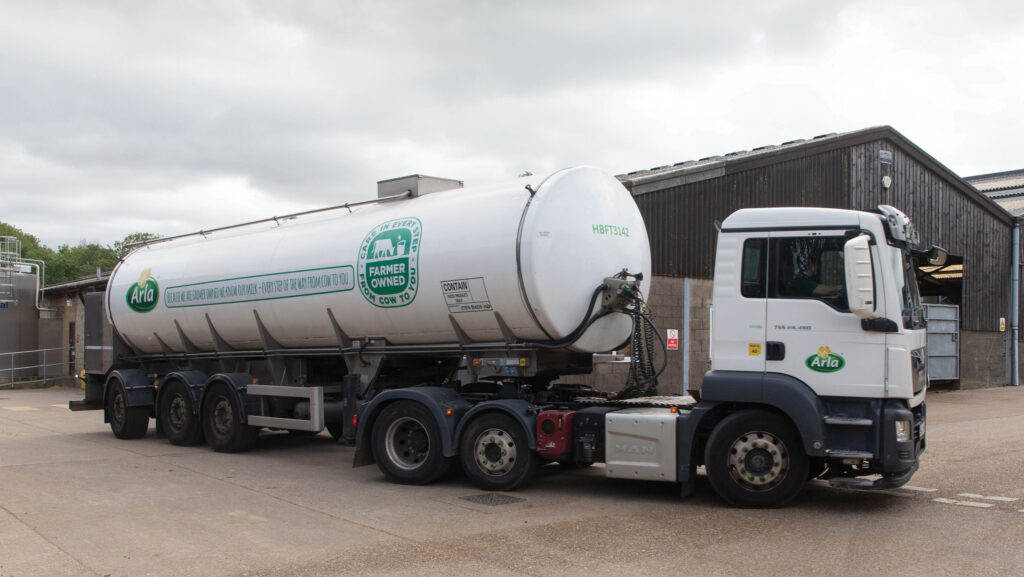
Long gone are the days when a milk contract was guaranteed. Resistance by buyers to take on new suppliers is one of the biggest barriers to expansion.
Some processors, notably co-operatives, at one time extended contracts to existing producers when they established an additional herd, but this is no longer so.
Make having conversations with milk buyers a priority, Anna says.
“Scope out the expansion plan and do some budgets, but I wouldn’t commit to anything before that milk contract is lined up,” she recommends.
“Be open-minded on the system a buyer is prepared to support, but it has to be right for you and the business – I would, for example, caution against going organic as a quick fix to getting a contract, unless a farmer actually wanted to do it.”
2. Decide on the type of system
System type will dictate the level of capital investment needed. Whether targeting spring or autumn milk production, the system must align with the farmer’s objectives.
Each has pros and cons – for example, a spring-calving herd will require the same initial outlay as an autumn block, but securing a contract for spring milk is more challenging.
3. Be realistic about timescales
Planners and utility companies generally work to different timescales than entrepreneurial businesses, which can blow well-laid plans off course.
Whether securing planning consent for infrastructure or installing three-phase electricity supply, be realistic about how long it is likely to take.
This applies also to suppliers. Anna advises factoring in likely delays when placing orders.
“If you are ordering a milking parlour and your cows are due to start calving on 1 February, there will always be some that calve in January, so give the supplier an earlier date for completion.
“Even then, the deadline could be missed, but it is better to set a 15 January deadline and have completion on 1 February, than a 1 February deadline and [work] isn’t finished until 15 February.”
Any infrastructure to be imported may need ordering quite far in advance of when it is needed.
4. Plan how every stage will be financed
Finance will facilitate expansion – consider whether the development is to be paid for by structured loans or leasing, when the capital sums are needed, and how cashflow sits within that.
Anna recommends having an open and honest conversation with lenders about the vision and aims of the development, and how much money needs to be borrowed to realise these.
“Think about when you are likely to draw that money down. Then do a cashflow to see how that will impact on your bank balance, and whether you need changes to your overdraft facilities,” she says.
“Consider what impact delays could have on finance, for example, if the parlour isn’t up and running when the cows start calving and you have to hire in milking bails.”
Factoring in a contingency when preparing a budget will avoid the added pressure of underfunding when resources will already be under pressure.
5. Build a strong team of professionals around you
Setting up a new herd requires a team approach. Banker, accountant, consultant, land agent, building contractor, electrician, plumber, family and staff will all play a part.
Having the right professionals alongside at every stage is important because time and energy will be stretched during the development stage.
A good working relationship with the bank is essential as expansion will almost certainly require borrowing. “If doing budgets isn’t your strength, outsource that job – and even if it is, get a second set of eyes to sense check it,” Anna advises.
During the project, it is vital never to overlook operations in the existing herd. “If your business is profitable and resilient, don’t damage that by shifting your attention to the second enterprise.”
6. Consider options for stocking the herd
The success of sexed semen is having a big impact on the percentage of heifer replacements in the national herd. That lack of surplus animals can make stocking a new herd challenging.
There are other ways of establishing a herd, among them buying in weaned calves or acquiring an entire herd at dispersal.
If opting for younger animals, the two-year time lag before they will generate an income must be accounted for in the budget.
Buying in animals at the point of calving, or cows already in-milk, will make money almost from day one. However, these come at a cost in the current market when dairy stock are expensive.
All options carry a disease risk. Anna advises involving the farm vet in the process, as bought-in animals will be naive to their new environment.
7. Get staffing in place
Working out how the second herd will be managed and milked should be an early consideration. Expansion can be a good means of retaining existing staff by giving them an opportunity for greater responsibility and reward.
“Is there someone on the first unit who can step up and manage that herd to allow you to concentrate on the second herd?
“Or there may be someone keen, ambitious and trustworthy who can be based at the second unit,” says Anna.
“If the new herd is more remote from the home farm, it will be harder for you to split your time between the two,” she warns.
8. Work on local public relations
Helping the local community understand any planned development is beneficial for all sorts of reasons, from alleviating fears locals may have about it – and the planning objections these could present – to attracting new staff.
It can also lead to new business opportunities, for example, the chance to acquire off-lying land, or to sell beef calves from the dairy herd to a neighbouring rearer.