

Advice for producers on navigating falling milk prices
 © Tim Scrivener
 After a sustained period of strong returns, milk prices have fallen sharply and cashflow is now tightening.
Advisers are urging producers to take proactive steps to manage milk volumes and cashflow this spring.
Many processors have introduced volume management schedules ahead of the spring flush to prevent manufacturing capacity being overwhelmed and avoid further downward pressure on prices.
See also: Is there a future for spring milk in the UK?
Kite consultant David Keiley warns that a significant spring flush is expected.
“Most clients have taken advantage of the favourable milk-price-to-feed-price ratio and pushed out every litre to maintain cashflow. Forages are feeding well and cows are milking well,” he says.
However, he warns that producers now need to manage the short-term pain while positioning their businesses on a firm footing for when the market recovers.
Rodney Wallace of HSBC Scotland says some businesses still have “fat in the system” from previously high milk prices, but he cautions that cash reserves are beginning to tighten.
Andy Dodd at WhiteAvon Consultancy notes that many farms are in a better position compared with the 2022 downturn, when interest rates were higher and creditor debt was widespread.
However, to avoid this scenario again, he says producers must plan ahead.
Below, three advisers, and accountant Andrew Robinson, outline how dairy businesses can navigate the coming months.
1. Communicate with your processor
Volume management schemes will affect cashflow differently depending on production profile. Early conversations with processors can make a significant difference.
Andy has seen cases where dialogue has paid off. One client transitioning to robotic milking, who was concerned about breaching spring volumes, successfully applied to Muller to use forecast milk volumes instead.
A Saputo supplier returning to dairying after buying a new farm was granted additional core litres because the processor was aware of the plans.
He also highlights that Arla’s decision to remove its autumn seasonality bonus could catch some suppliers out.
“It’s no surprise given how many farmers have moved to autumn calving. Autumn milk is now contributing to spring pressure more than traditional spring-calving systems,” he warns.
He advises farmers to make sure they understand how contract changes may affect them and speak to their processor to avoid penalties.
2. Identify any pinch points early
It is essential to have a clear understanding of projected milk income and outgoings.
Andy says cost of production among his clients ranges from 35p/litre to 42p/litre – a significant variation and one that is critical to understand.
“Because farmers have had surplus cash and cheaper feed and interest rates, some have been less concerned about closely monitoring cashflow. But it’s imperative,” he says.
David advises producers to use accounting software to model income and expenditure and identify pinch points.
Meanwhile, Rodney stresses the importance of early engagement with lenders. “Be proactive. Banks like to lend money, but we want to know how it’s going to be repaid,” he says.
Farmers who took out £50,000 government-backed Covid loans and have not changed payment terms will see these cleared from May, releasing about £900/month in cash, which will ease some pressure, adds Andy.
3. Review your tax position
Work closely with the farm accountant to understand what the year-end tax liability is and ensure that full use of available allowances is being made.
Andrew Robinson, partner at Armstrong Watson Accountants, says partnerships and sole traders will have made a payment on account to HMRC in January, based on profits for the year ending March 2025.
However, the sharp fall in milk price over the final four months of the trading year is likely to reduce actual profits for the year ended March 2026.
Finalising year-end accounts as soon as possible could lower the July payment, easing pressure on cashflow.
Businesses with up-to-date accounts may also be able to submit a postponement application to reclaim tax paid in January.
Before the financial year closes, it is worthwhile reviewing potential tax liabilities to assess whether any planned investment would be tax-efficient, he adds.
However, Andrew warns this must be weighed up in light of ongoing cashflow requirements.
“Some farmers can get gung-ho, but investment takes cash out of the business at a time when it might be needed,” he says.
“You might solve one problem but create another, so it needs careful discussion with your accountant.”
Farmers should also consider five-year tax averaging relief, which is designed to help agricultural businesses manage volatile profits.
If milk prices remain depressed and reduce profits for the year ending March 2027, it could be beneficial to use this lower figure to calculate five-year averages and potentially ease future tax burdens.
4. Challenge spending plans
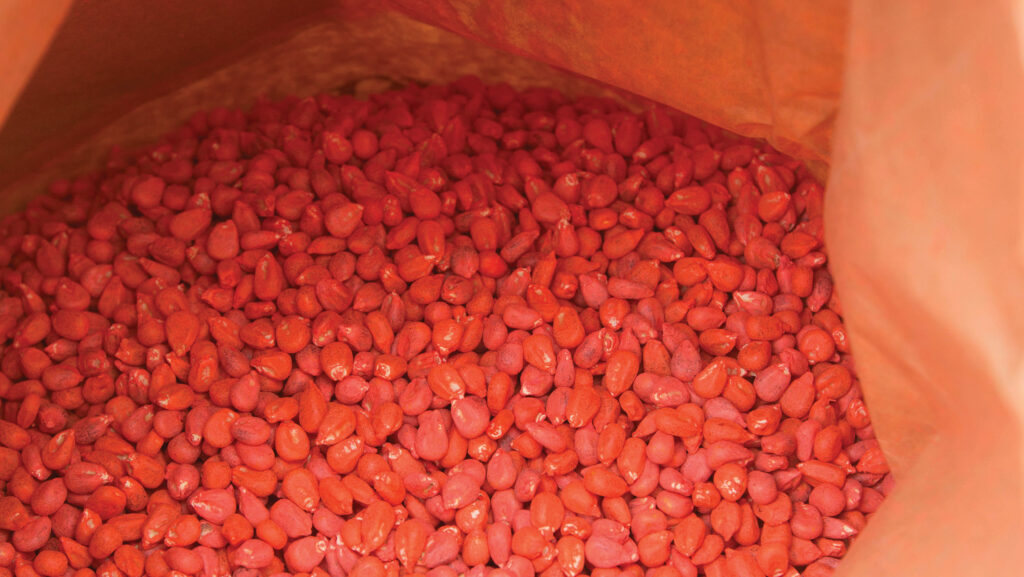
Spreading seed payments helps cashflow © Tim Scrivener
Differentiate essential expenditure from discretionary, advises David. Large capital investments may need to be shelved. Instead, spend should be focused on cow health and fertility to drive good performance.
While many overheads such as labour or rent are fixed, there is an opportunity to shop around and reduce variable costs such as feed, dairy chemicals and calf milk powder, says Andy.
Where possible, spreading payments for inputs such as maize seed, rather than in one lump sum, can help ease cashflow, he adds.
5. Strengthen forage supplies
Forage availability is a concern on some farms following last year’s dry summer. Considering how to build reserves will avoid expensive feed purchases later.
Andy suggests exploring opportunities with neighbouring arable farmers. “Arable prices are not going to be strong this year. This could present an opportunity to buy wholecrop off these farmers instead,” he suggests.
6. Tighten cashflow control
Short-term measures such as extending overdrafts, restructuring loans or negotiating longer payment terms can offer breathing space. Interest-only arrangements may be appropriate in some circumstances, although advisers caution they should not be the first lever pulled.
“If you are only a few years into a long-term loan, payments are largely interest anyway. Switching to interest-only will increase your risk rating and have limited impact on cashflow,” warns Andy.
Hire purchase can be a costly solution compared with bank loans. “Bank rates are typically lower. The base rate is now 3.75% and average lending is 2.5% above base,” he adds.
Repairing machinery rather than replacing it may be a pragmatic solution in the short term.
Open communication with creditors is essential, although David warns that feed merchants are less willing to shoulder the burden of debt than during the last downturn. “Feed manufacturers are not allowing clients to go as far as they did in the past,” he warns.
7. Maximise milk price and non-milk income
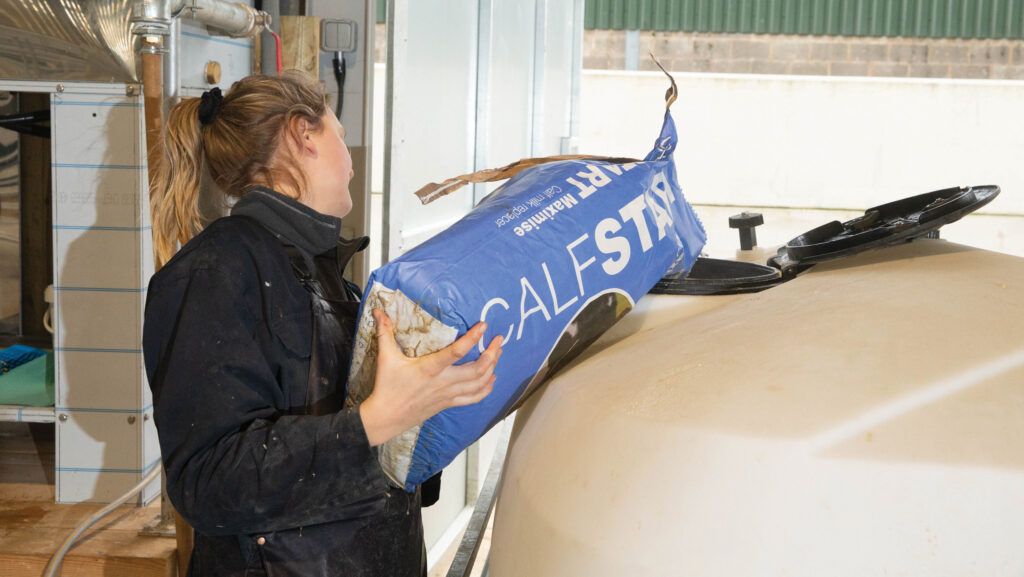
Shop around for the best prices for essentials such as milk powder © Tim Scrivener
Producers should scrutinise contracts to make sure they are extracting every penny of value. “It’s staggering when you look at the variation in milk price even within the same contract,” says David.
In one case, poor milk quality was costing one farmer £30,000/month. “If you’re on an Arla contract, don’t chase litres. Make sure you’re delivering milk quality to maintain a stronger milk price,” advises Andy.
Strong cull cow returns and beef calf values can also support liquidity. “Now is a good time to get rid of any passengers and give the business a cash injection,” he adds.