

How spate of returns to service led to Q fever diagnosis
 © Nigel Goldsmith
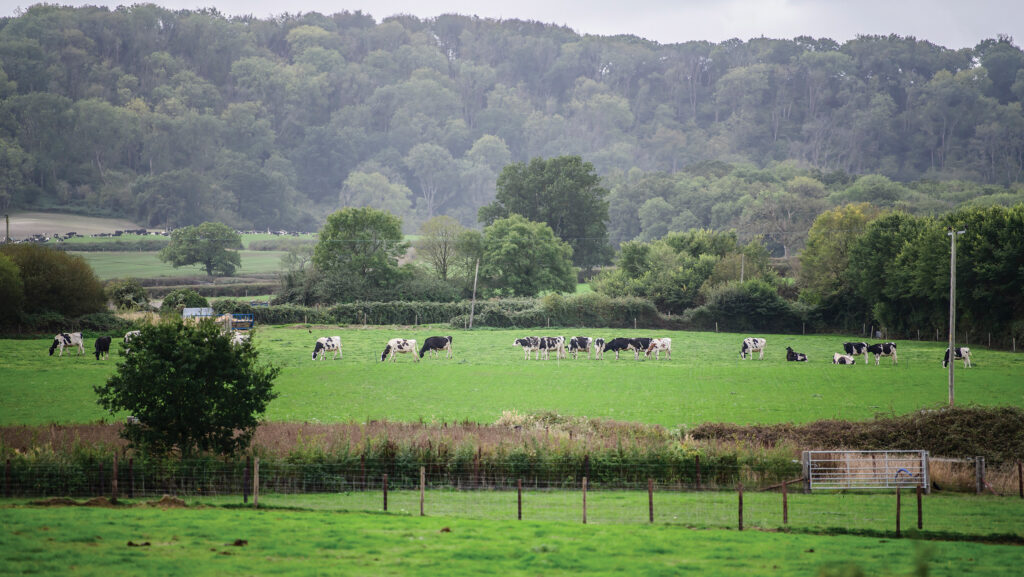
 Striving for high health status together with efficient production from a block-calving, grazing system hit a snag in 2023 for Dorset dairy farmer Nick Tuke.
A portion of cows in his herd of 171 pedigree Holsteins returned to service at 30-35 days, creating a gap of almost four weeks in the middle of the calving block.
See also: What you need to know about Q fever in dairy herds
This “major blip” in fertility was the only indicator of a problem, says Nick, when blood testing revealed Q fever – a bacterial infection caused by Coxiella burnetti.
“We had been building up cow numbers and were ticking along nicely, with an average conception rate of 35%.
“Suddenly, we were serving cows and they didn’t return at 21 days, but came bulling at 30-35 days,” says Nick, who runs the herd with daughter Laura at Lower Thurnwood Farm, Mappowder.
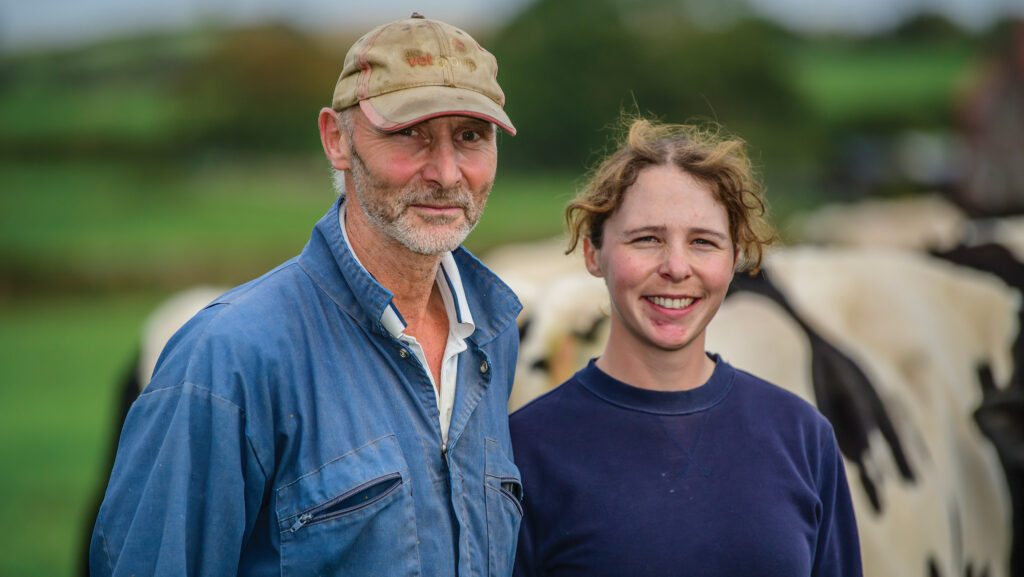
Nick and Laura Tuke © Nigel Goldsmith
Farm facts: Lower Thurnwood Farm, Mappowder, Dorset
- 171 pedigree Holsteins
- Rear 45 heifers a year
- Farms 109ha including 15ha of maize,11ha of winter wheat for wholecrop; 40ha grazing platform
- Turnout early March; housing at calving from 1 August
- Yields average 10,400 litres at 4.4% fat and 3.5% protein
- Dairy beef calves sold at three weeks to Blade and Dunbia
- Two self-employed staff
No symptoms
“There were no signs [of illness] in the cows. They were holding condition well; we were producing 9,500-9,700 litres at that time and milk yield wasn’t noticeably affected; they showed heats well.
“But we got big drops in conception rate, down into the 20s. Maiden heifers were the same: we usually get 60% conception rate to first service and there was a big drop, to 35-40%.”
Mating usually starts on 1 November and sweeper bulls run with the herd from January. Calving starts on 1 August and is finished by 31 October. Pedometers help keep the block, which is front-end loaded with in-calf heifers, as tight as possible.
However, the consequences of Q fever carried over into the 2024 calving season: heifers were calving well into October, with the block “dragging on” into December. And milk output was down in those months that had fewer calvings because of lost pregnancies.
© Nigel Goldsmith
Q fever diagnosis
Given the herd has been vaccinating against bovine viral diarrhoea for more than 20 years, plus leptospirosis, rotavirus and ringworm vaccines (with regular bulk tank tests for infectious bovine rhinotracheitis always negative), Nick says they couldn’t work out what was going on.
His vet, Gemma Loader of Kingston Veterinary Group, blood tested the affected cows, and the Q fever test returned high titre results. Nick’s reaction to the diagnosis was understandable: “You get on top of things and there is always something else,” he says.
Yet unlike most people, it wasn’t the first time he had heard of Q fever – his wife, Marilyn, had been diagnosed with it when giving birth to their son David in 1993.
They think it came from a tick bite. Fortunately, Nick says, there were no long-term consequences for mother or baby (and equally no humans were affected in this herd incident).
He says he read as much as he could about the disease, talked it through with his vet and “didn’t need persuading” to vaccinate the herd.
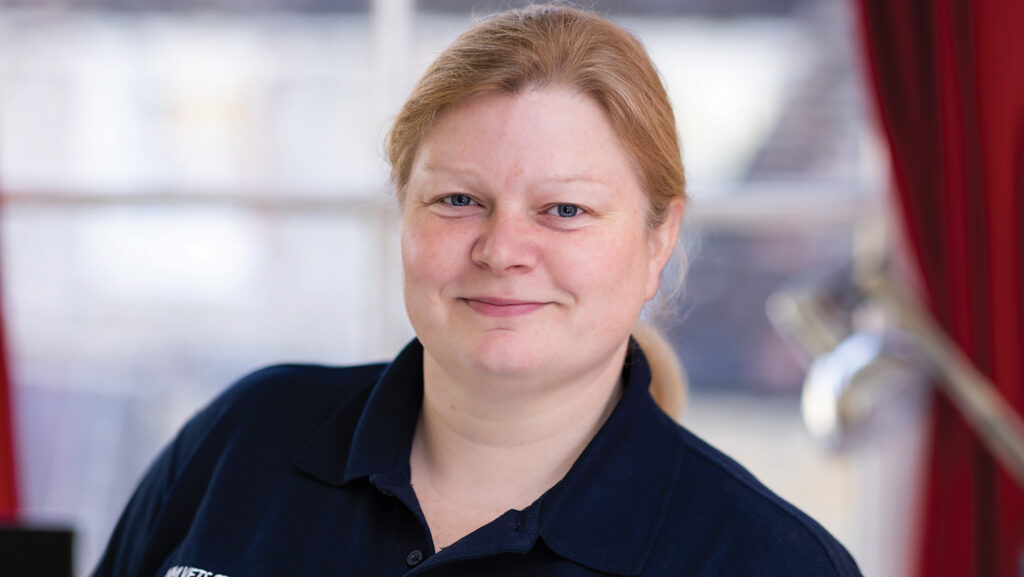
Gemma Loader © Kingston Veterinary Group
The fertility dip came in December and was noticed at the January/early February pregnancy visits. At the time, there was no treatment given to cows because none of the animals was showing signs of being poorly.
However, Gemma used more fertility drugs than normal in early 2024 to ensure pregnancies and further minimise the calving spread. “We culled more cows for infertility that year. Our normal culling rate – for all reasons – is 20-22%; that year, it was over 30%,” says Nick.
Rationale for vaccination
The first course of Coxevac was started in spring 2024, initially two courses six weeks apart, then a booster nine months later. Maiden heifers were vaccinated before breeding, at about 10 months of age.
The herd is now in a routine of annual vaccinations and boosters given each June. Gemma explains that the bacteria can cause rapid, widespread infection and is transmitted via milk, urine, faeces and birth products such as placenta, mostly through inhalation.
“It is resistant to heat and disinfectant and can stay in the environment for years,” she says.
“Vaccinating won’t cure the problem once you’ve got it. But it protects naïve animals and significantly reduces shedding in those already infected, so it brings a huge cost benefit, as fertility significantly improves.
“Plus, farmers as employers need to be aware of [and guard against] the zoonotic risk, especially at the time of abortions.”
After the initial course, Nick had a good forage year and improved cow housing and comfort with new LED lights and cubicle mattresses. In the 2024 breeding season, he reports that “everything went right”.
Overall (cows and heifers) conception rate rose to 44%. Since then, the herd average yield has risen and the milk profile returned to normal.
© Nigel Goldsmith
Long-term herd health
With hindsight, however, Nick suspects that Q fever had more influence over herd health than he realised at the time – more premature births and calves with scours, for instance.
Furthermore, a look at his records shows there was an increase in assisted calvings and cases of retained placenta.
Gemma agrees and thinks in another few years it will be possible to align other health improvements to Q fever vaccination.
“Two years after first vaccination, now that the herd has full protection, we are seeing fewer post-calving metritis cases and have used less intra-uterine antibiotics than a few seasons ago,” she says.
Nick believes Q fever is probably more common than many dairy farmers realise and says it’s worth testing if there is underlying poor fertility. The cost benefit of vaccinating for him is to safeguard herd fertility – the price of vaccine is not huge when compared with lost pregnancies.
“It’s easy to brush off poor fertility due to poor nutrition. But we are always trying to get the best possible out of our cows and look after them – we feed a good transition diet. Yet this issue was rumbling on in the background,” he says.
“Fertility is the biggest driver of profitability on dairy farms, and we do everything to protect that, as it all leads to the bottom line. If we don’t have our block, it all falls down.
“We have a seasonality profile and bonus to produce most milk [in those winter months], and rotational grazing is affected. We turn out in March, when everything is settled in-calf, and we can afford to push cows to work from grazed grass and a bit of cake in the parlour.”