

Milk from forage limited by grass production and quality
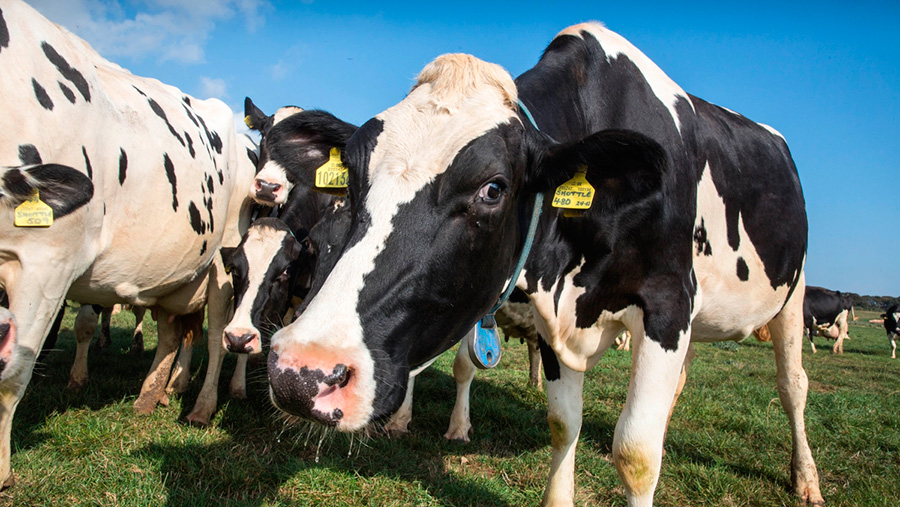 © Tim Scrivener
 Underuse of fertiliser and a focus on yield is limiting the availability of quality grass and the potential amount of milk produced from forage in Northern Ireland, according to scientists.
Delegates at the Agri-Food Biosciences Institute (AFBI) open meeting on Thursday 2 June at AFBI Hillsborough near Belfast were told grass production in the country is hampered by an underuse of nitrogen and sulphur fertiliser and potassium and phosphorus deficiencies.
Certain factors are also impairing the quality of grass available to dairy cows:
- Inadequate liming resulting in sward deterioration
- Inadequate reseeding
- Unnecessary use of NPK fertilisers
- Longer cutting intervals
John Bailey, a project leader at AFBI, told attendees at the event – opened by Michelle McIlveen, the new Northern Irish Minister of Agriculture, Environment and Rural Affairs – that addressing these factors will be key to reduce dairy farm reliance on concentrates and increase the amount of milk produced from grass and forage.
See also: Bluetongue vaccine available for cattle and sheep by July
“It is quality material that we need if we’re going to replace concentrate feed and also those factors inflating production costs,” he said.
Despite a reduction in milk yield and the additional cost of shorter cutting intervals, dairy farmers could realise a net saving of £100/ha a year.
“If we increase quality – through better management of base swards, increasing the metabolisable energy content of it, and by shortening cutting intervals – we can significantly reduce concentrate per head per year,” said Dr Bailey.
“The reality is that if we can increase milk from forage from the current 1,500 litres per cow to 3,250 litres, which is where we were in 2000, and that may involve lower production per animal, it actually has the potential to reduce production costs by £45m per annum,” attendees heard.