

7 things dairy farms need to grow their businesses
 © AdobeStock
 Growth in the dairy sector will be needed to meet future food demand and environmental targets, but planning remains a major “choke” to investment. This was the message from NFU National Dairy Board chair Ian Harvey during a discussion on building for the future.
See also: The five non-negotiables of a resilient dairy business
Changes to the National Planning Policy Framework now recognise food security as a material planning consideration, potentially giving agricultural developments greater weight, adds Richard Corbett, planning consultant at Roger Parry & Partners.
However, other challenges such as milk contracts, environmental policy, finance and water availability remain.
Below are several areas the industry must consider when planning.
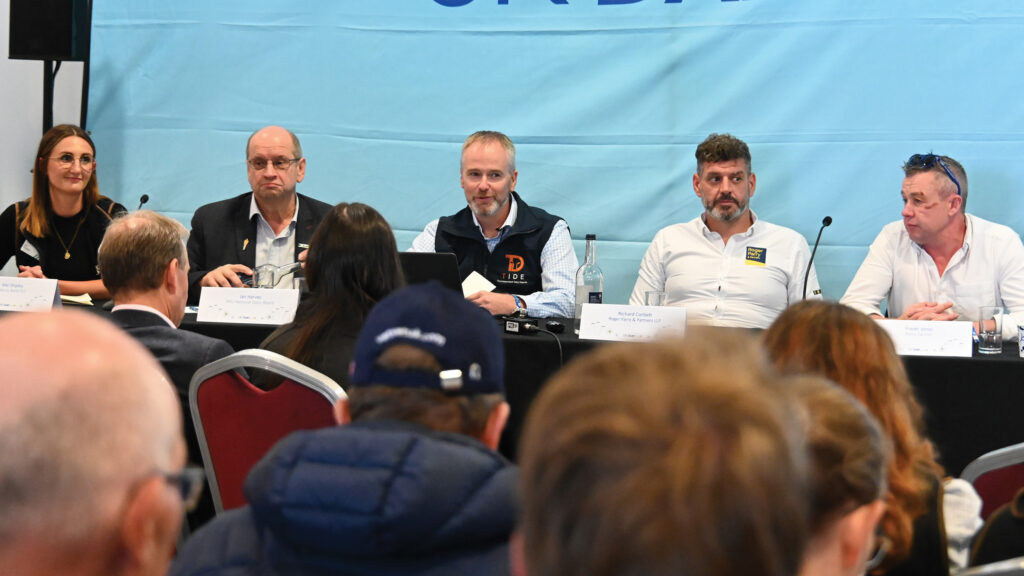
From left: Mel Shipley, Ian Harvey, Edward Lott, Richard Corbett and Fraser Jones © Ruth-Rees
1. Market stability and transparent contracts
Farmers need stability and more transparent milk contracts so they can plan better, stresses Ian. With milk volumes having fallen sharply, Welshpool dairy farmer Fraser Jones reminds all processors that farmers must be paid a sustainable milk price to secure supply.
“Costs are going up on farms, which makes it very challenging for a farmer on a commodity-based milk price,” he says. “Liquid milk is shrinking, and processors must invest in higher-margin branded products that will deliver higher farmgate prices.”
Ian advises farmers to revisit milk contracts now from a position of strength and ensure contracts do not put them in an insecure position as milk volumes rise.
2. Long-term strategic planning
Mel Shipley, senior agricultural relationship manager at Oxbury Bank, advises farmers to plan for the long term (10 years). She encourages them to engage their bank early in lending discussions to avoid costly proposal reworks.
Crucially, farmers must be realistic about initial project costs and factor in additional labour or energy costs. “Almost 50% of the time, farmers base investment costs on the last project they did, but we have seen insane inflation,” she warns.
3. The planning process
Large-scale expansion proposals often face significant opposition. After struggling for 15 years to get planning at one of his dairies, Fraser has changed tack.
For him and his planning consultant, Richard Corbett, a little-and-often strategy for planning applications is proving much more effective than large submissions.
“The larger your proposal, the more likely people will object. We are starting to see river action groups and Compassion in World Farming actively objecting to poultry and now dairy planning applications,” explains Richard.
4. Non-milk-producing investments
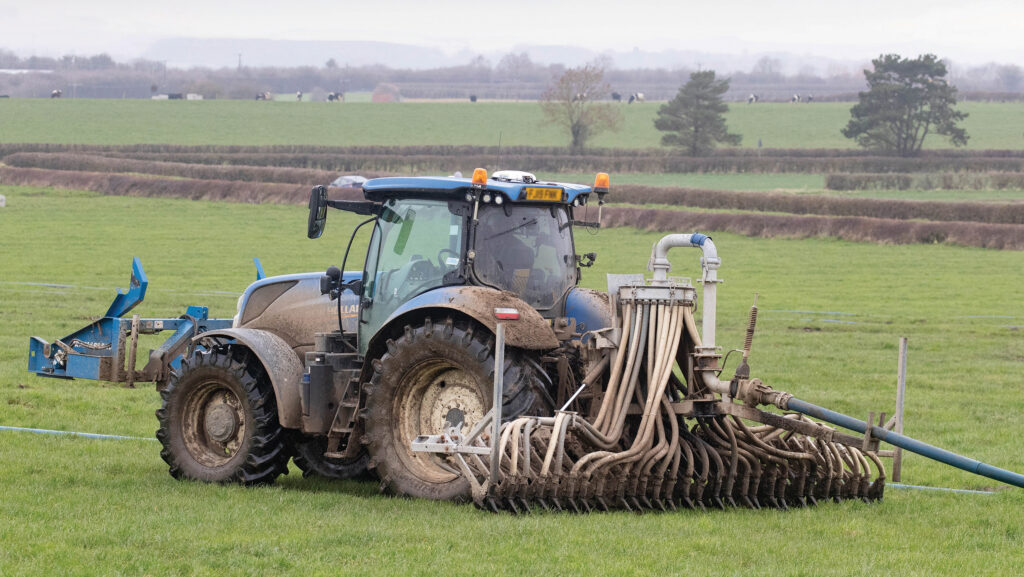
Investment in non-milk-producing assets such as slurry or forage storage is key to future-proofing the business, says Mel. Having sufficient land mass, whether owned or through collaborative agreements, will be essential to ensure farmers can spread the manure they generate.
Fraser says he is in talks with someone who has an anaerobic digester to supply them with slurry. Richard says he was recently involved in planning for an additional 500 cows, and the planning authority wanted details of the 400ha (1,000 acres) the farmer had to ensure they had enough land to spread slurry.
“Everyone is supportive of farming as long as there is no pollution,” says Richard. “We know we need to produce food, but it’s got to be done to meet environmental regulations. Unfortunately, that’s the future we are facing,” he says.
© Tim Scrivener
5. Higher rates of tax relief for capital investment
Audience member and accountant Rob Hitch from Dodd and Co believes grants are “the kiss of death” for many capital projects such as slurry storage.
Instead, he believes the industry should lobby government for enhanced capital allowances to get higher rates of tax relief to incentivise investments more effectively, rather than farmers playing “the lottery of applying for grants”.
“I’d welcome more relief on agricultural buildings. That would be a game changer. It’s grim at 3%,” he says.
The NFU says it is lobbying the government to increase the annual investment allowance from £1m to £5m.
6. Other investment opportunities
Diversifying investment helps spread risk and avoids overcapitalising a farming asset, says Mel. “You can get to the size where you are maxed out and heavily reliant [on one thing]. If you can get planning, I would be going into poultry,” she advises.
She stresses that farmers must think about their capabilities in terms of location and labour before diversifying.
7. Water availability
Investing in water availability after two successive years of drought is rising higher on farmers’ agendas and will undoubtedly become more important for all agricultural businesses, believes Richard.
Fraser is turning an approved slurry store into a water storage tower for recycled water. “Water is something we are taking very seriously and will be investing in as a business.”
The speakers were taking part in a discussion at the recent UK Dairy Day, Telford.