

Defra delays cattle traceability overhaul to 2027
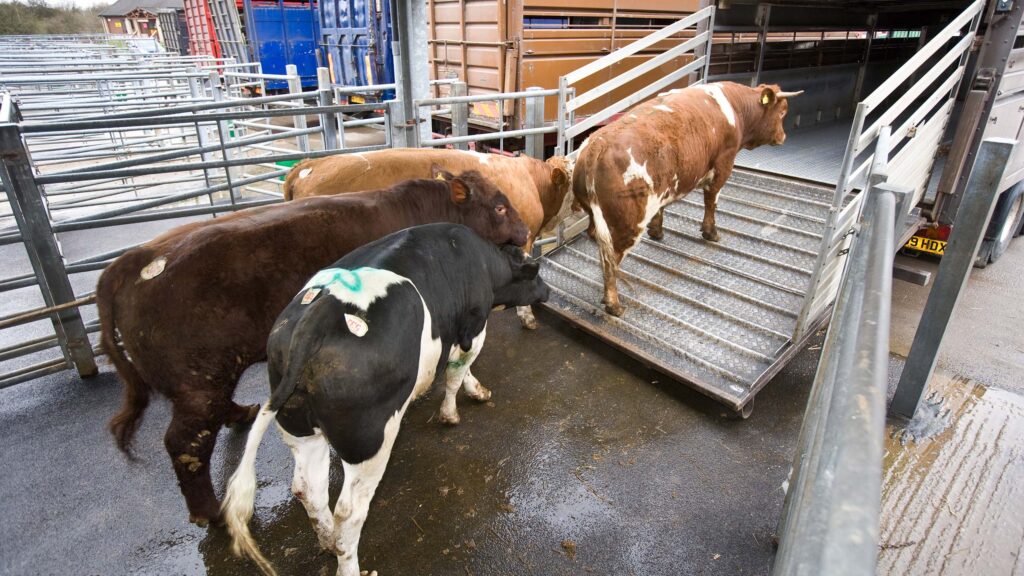 © Tim Scrivener
 Defra has pushed back England’s long-awaited cattle traceability overhaul to mid-2027, citing the need to align with emerging UK-EU livestock traceability requirements.
The delay means the new digital traceability system and mandatory bovine electronic identification (BEID) for calves will now be introduced at the same time.
Industry leaders say the latest setback risks further eroding confidence in a programme already years behind schedule.
See also: Diverse cattle tracing systems could undermine disease protection
The NFU said the postponement was particularly frustrating given the importance of improved traceability for trade, disease control and productivity.
The move mirrors recent developments in Scotland, where ministers have delayed the introduction of ultra-high frequency (UHF) electronic identification to January 2028 amid uncertainty over UK-EU sanitary and phytosanitary (SPS) negotiations.
EU reset priorities
In a letter sent to stakeholders and seen by Farmers Weekly, Defra said the revised timetable would help meet “EU reset priorities” on livestock traceability, highlighting the influence of ongoing talks with Brussels.
The changes form part of the Livestock Information Transformation Programme (LITP), which aims to replace existing systems with a platform capable of near real-time reporting of animal movements.
England had previously been expected to move to low-frequency electronic tagging from 2027. Defra has now confirmed that both the tagging requirement and the new system will instead launch together in mid-2027.
The platform will replace the Cattle Tracing System (CTS), with the aim of strengthening disease response, improving food safety and enabling faster, more accurate data sharing.
Defra also confirmed that some development work will move from Livestock Information Ltd to in-house digital teams.
Public investment in the programme continues to rise, reaching £58m in 2023-24 and £71m in 2024-25, according to Freedom of Information figures.
NFU frustrated by delays
NFU chief livestock adviser John Royle said: “The LITP and development of the new multi-species service remains a significant source of frustration for both industry and our livestock members, largely due to ongoing delays.
“Industry through our membership of TDUG [the Traceability Design User Group] has engaged with this programme for nearly eight years yet we are still waiting for replacement cattle service, let alone the steps needed to integrate other species.
“The importance of the Livestock Information Service in supporting trade, strengthening disease contingency planning and improving sector productivity through enhanced data utilisation is very clear, so to see the programme facing another delay is disappointing.
“We must continue to press for greater pace, clarity, and senior accountability to ensure the programme delivers against industry needs.”