

Advice on when – and if – to ted grass cut for silage
 © Tim Scrivener
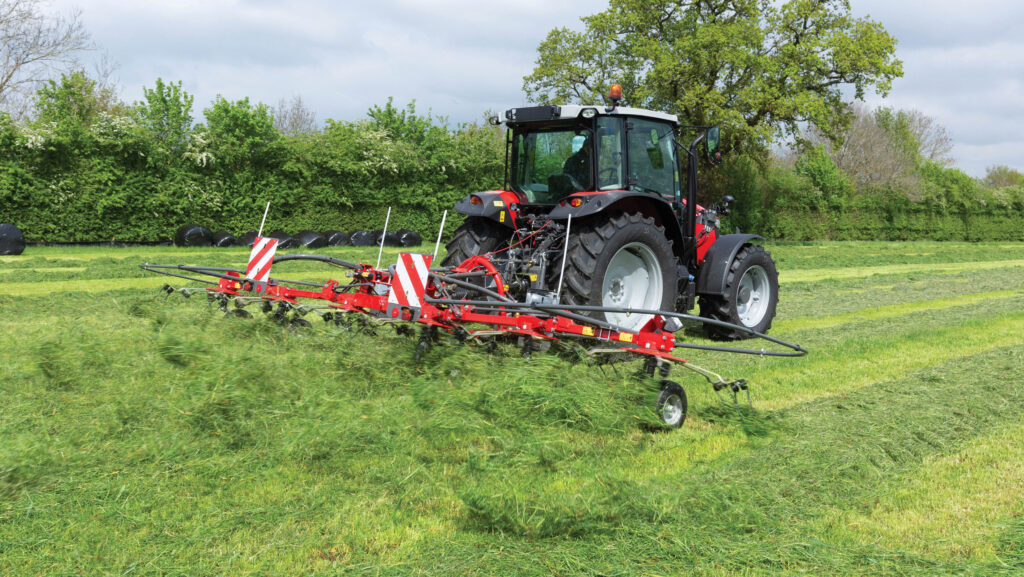
 Tedding a swath of grass needs to reduce metabolisable energy losses by 0.3MJ/kg of dry matter, otherwise it may not justify a contractor’s charge for the job.
A single pass with a tedder could still be cost-effective on a hot, sunny day if it reduces nutrient losses and speeds up wilting, according to Staffordshire-based silage consultant Jeremy Nash.
See also: NAAC contractor price guide 2026-27
He points out the aim of tedding is to quickly get to a dry matter of 30% for ensiling. But the rate at which moisture is lost by the grass plant is influenced by weather, crop maturity and grass species.
Spreading out grass behind the mower could, therefore, end up being more expensive than the traditional 24-hour wilt in the swath.
Will tedding improve feed value?
Ultimately, the goal is to produce a higher-quality silage, which is why Jeremy says it is important to work out the payback. This should be improved feed value in the clamp or bale.
“Can you get a return from tedding – in increased animal performance or lower concentrate bill – if you pay a contractor? Do the maths,” he says.
“Using National Association of Agricultural Contractors’ charges, it’s about £9.50/acre [£23.50/ha] for a contractor to ted a field. To pay for this, you need to save 0.3MJ of energy/kg dry matter.”
© Tim Scrivener
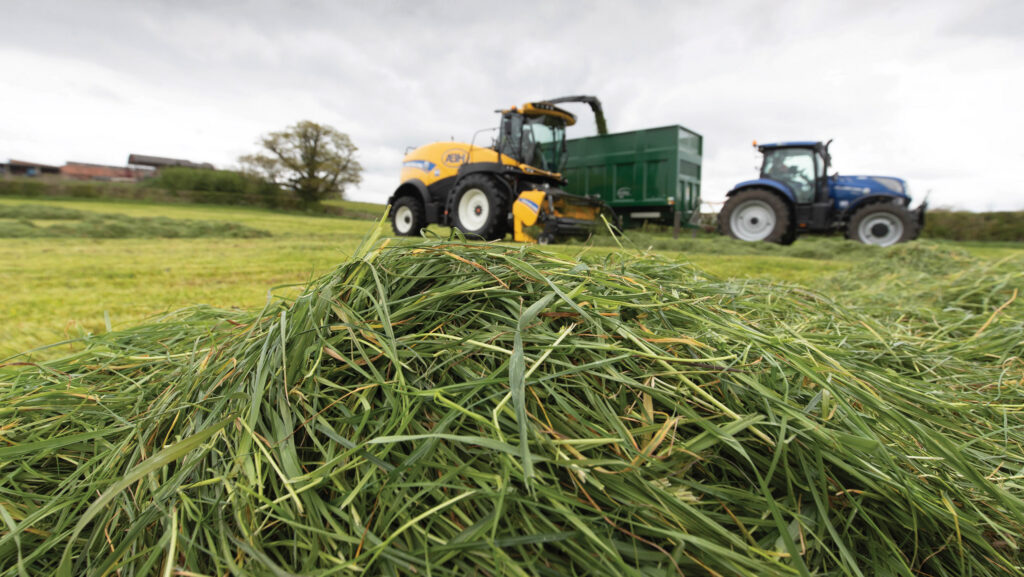
Leafy crops more likely to benefit from turning
This will be difficult to do when cutting a bulkier grass crop comprising more stalk and less leaf – tedding will not make enough difference to dry matter.
In a traditional three-cut system, Jeremy says he would ted the first cut, not the third, and the second cut would be weather dependent. “It would provide better payback to leave the swath and pick it up the traditional 24 hours later. And tedding twice is not worth it, unless you are making hay,” he adds.
However, turning cut grass over proves its worth in modern multicut silage systems dealing with a very leafy crop of grass at high moisture content and high nutritional value.
“This is a very active crop, growing and respiring a lot, so it consumes sugar. This is why speed is critical to making good silage,” he points out.
Timing and tedding technique are critical to success
Ideally, Jeremy says, leafy grass would be mown at 10am, tedded at 11.30am and then picked up from 3pm, by which time it should be the correct dry matter. Doing this will save sugar from being lost in respiration in the field.
Tedding should be done at relatively low speed and requires a low-horsepower tractor. Care is needed to avoid soil contamination, as well as not upsetting progress in the rest of the silaging team, he explains.
For best results, starting about two hours after the mower will let the ground and stubble dry out and avoid trapping moisture when the grass is spread.
“And you need to stop spreading by 4pm, otherwise it will just collect dew overnight. Keep forward speed at 4-5mph – the slower you go, the better job it does,” he suggests.
Pto speed is not as important because each tine full of grass needs to be flicked out, not bunched up.
“Don’t drive on the crop, as it will be wet and get contaminated with soil. Use a wide machine to match the mower and set the height so there is no contamination: if the stubble is 5cm, set the tedder at 4cm.”