

How grazing app cuts time taken to measure grass by 75%
A smartphone app is cutting the time it takes to walk the grazing platform by using a camera to scan paddocks.
Instead of typically spending three to four hours plonking with a plate meter, New Zealand technology has reduced the weekly farm walk to 45-60 minutes.
Using the Aimer app (developed by Kiwi agri-tech company Aimer Farming) involves taking a 180deg pasture scan, via a six-second video.
See also: 7 ways to protect grass growth from dry weather extremes
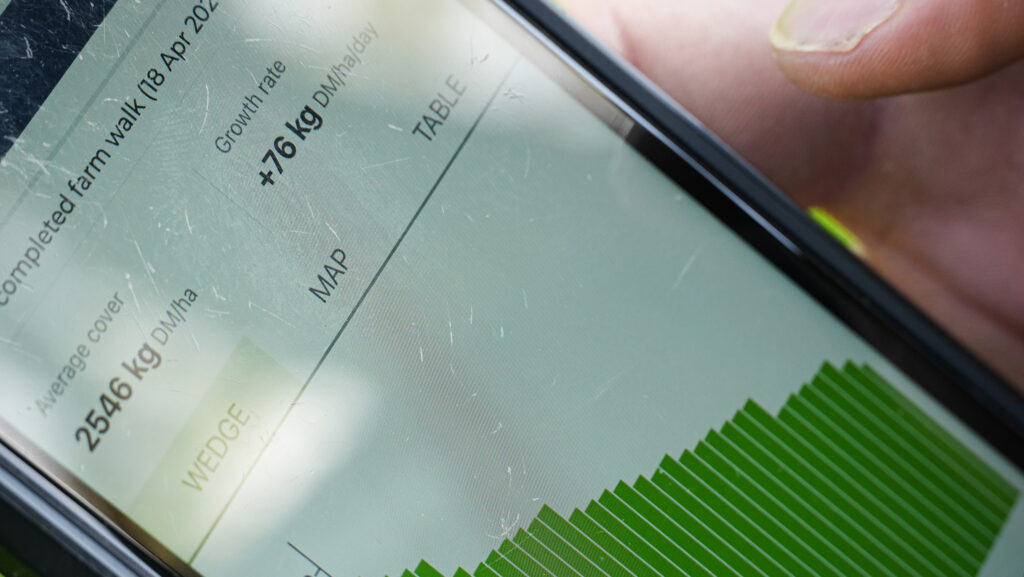
The data captured is then turned into an estimated pasture cover of each paddock.
This is presented in kilograms of dry matter (DM) a hectare, said by the company to be comparable to a plate meter reading and more than 90% accurate.
Consistent and accuracy
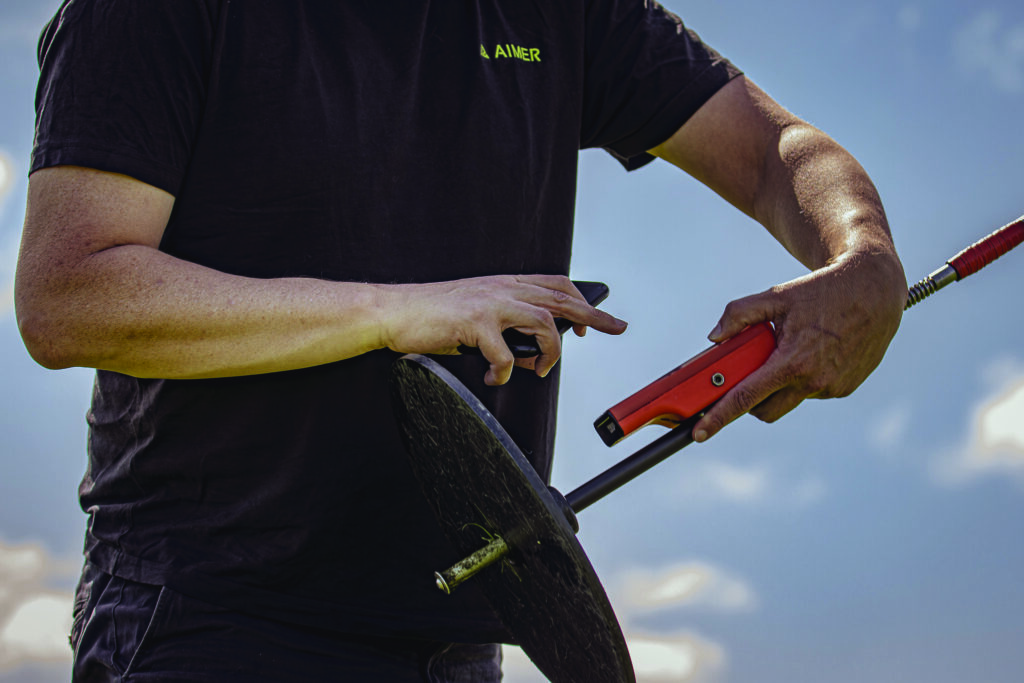
App results match a plate meter © Precision Grazing
Consultant James Daniel of Precision Grazing – the UK distribution partner for the app – says a key issue for grazing-based farms is not so much measuring grass, but doing it easily, consistently and accurately.
Using a plate meter requires the same person to do the farm walk for consistency, while measuring grass using satellite technology is challenged by cloud cover.
And trying to save time with a visual assessment is very variable and risks losing control of management at peak grass growth.
Yet spot-on data is essential to keep control of management and ensure supplements are used cost-effectively. “You need accuracy to make your best decisions.
“This app allows timely and more consistent grazing decisions,” says James.
“If you don’t measure grass, what are you missing out on? You are making decisions based on guesswork, which risks performance.
“Cows can be overfed and fertiliser applied [unnecessarily]. Using data from measurements to manage grass helps hit residuals, keeps cows fully fed and maintains grass quality.”
© Aimer
James thinks the app is most likely to be picked up by an experienced grazing manager – someone who is used to measuring and understands the grazing wedge on the dashboard, but who would like to save time.
“If you can measure accurately with a plate meter, you can do it with this app,” he says.
Given that rotational grazing is a skill and takes a few years to become competent, James suggests this smart technology could attract good employees, while retaining grazing knowledge on-farm.
The app is compatible with both Apple and Android devices, and grass measurement works offline, so mobile signal is not required.
Results sync to the dashboard once back in signal.
“The smartphone measurement process is consistent between users, meaning more – and less experienced – members of the farm team can contribute cover readings, and while carrying out other routine jobs,” he explains.
Data-generated forecasting tools and action points
© Aimer
It takes just one grazing season to collect a farm’s data, then the app constantly recalibrates every time it is used, learning about each paddock’s growth rates as it goes.
It also notes who did the recording when there are multiple users.
A partial farm walk in the middle of calving is also possible, where grass covers are measured just by looking at 30-40% of the platform.
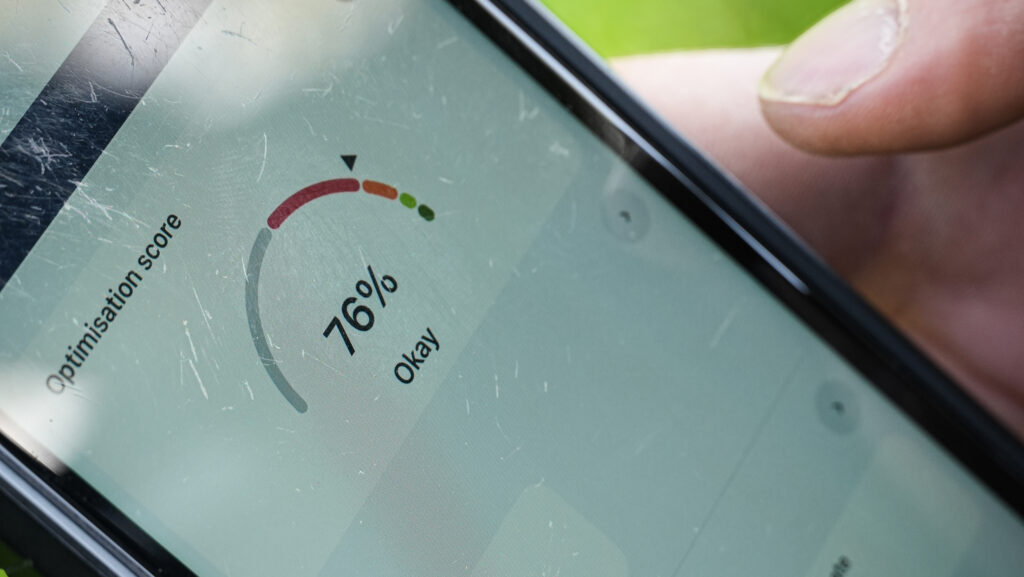
Measurements feed into an online dashboard that shows feed wedges, scenario planning and forecasting tools, as well as paddock-level information and action points for average farm cover, growth rates, and rotation length.
James is now running a beef farm pilot to collect data to develop a beef version of the app, with plans for a dairy youngstock version.
Although input so far is based on ryegrass and clover swards, he also hopes to include herbal leys in future.
Customer support for Aimer and the initial training are being supplied by Precision Grazing, backed by the team in New Zealand.
Cost of Aimer app
Pricing is via annual subscription, which includes technical support based on the hectares measured:
- For 1-150ha, the app costs £594/year ex VAT
- For 151-250ha, it costs £810/year ex VAT
- For larger units or multisite businesses, there is a price on application.
Return on investment is in the time saved, says James.
Based on 30 grass measurements in a season, most farms can save two to four hours a week, making “the payback in labour saved alone 2:1” before any additional benefits.
“If a farm owner saves four to five hours a week, with their time worth £100/hour, that is £400-£500 saved in labour.”
Grass-measuring app trained on 30 UK dairy farms
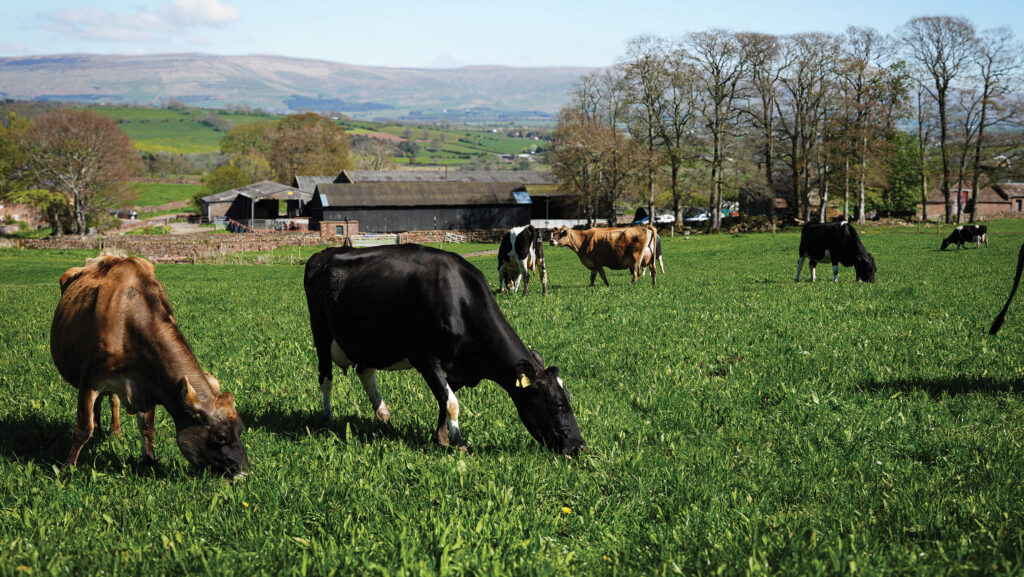
James Tweedie has piloted the app for his low-input, spring block-calving system © Precision Grazing
Precision Grazing has been piloting the Aimer grass measuring app with 30 dairy farms in the UK for the past 18 months.
As the farmers have walked paddocks with their plate meter, they have also scanned them using Aimer. This has effectively trained the system to recognise British grass production.
The pilot group includes Cumbrian farmer James Tweedie of South Dyke Farm, Penrith, who milks 360 cows on 120 “fragmented” hectares.
As a low-input, spring block-calving system, James says that grass “is crucial to the whole system”.
He says he really enjoyed using the app and that results were very close to the plate meter.
“I’ve plate metered for 10-12 years and it’s always been the job I’ve been least keen to give away to other people. I religiously walk every week,” he says.
“But time is vital – with 50 paddocks to measure, it was a four- to five-hour job. This is definitely a big time saving – it has revolutionised [grass measuring].”
App prompts handover of grass measuring
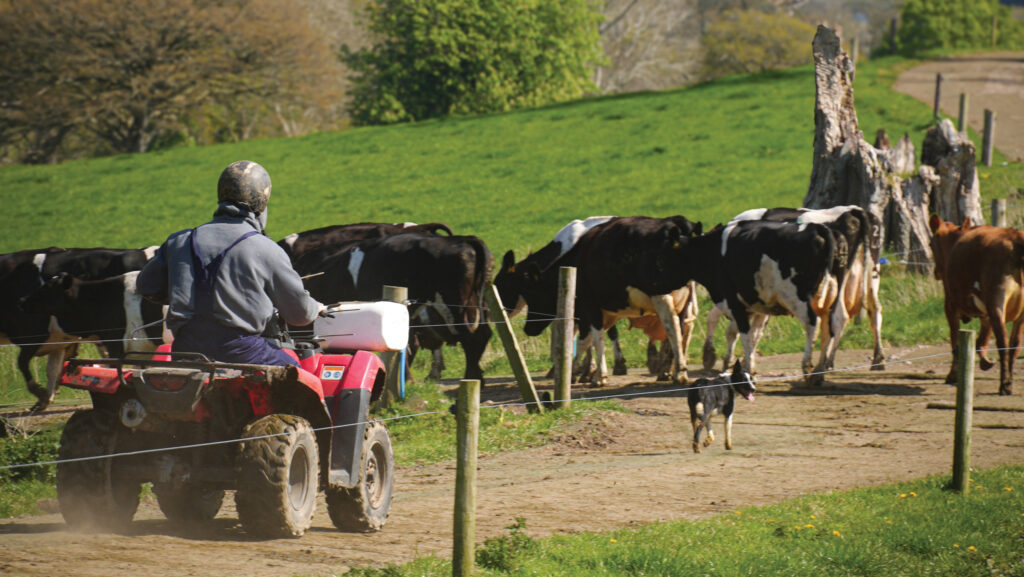
Cows heading in for milking at Sam Pearson’s farm © Aimer
Another convert is Sam Pearson of Pearson Farming, who runs two 500-cow, spring-calving units in north Wales.
He has been trying to delegate grass measuring to someone else in the farm team for a while but finds that “it does not go well”.
Alternative measuring methods, including satellite and a gadget in front of the quad bike, were unsuccessful and Sam kept returning to the plate meter.
However, he found that Aimer estimated grass to the same level as by eye.
He can see accurate growth rates on a variety of conditions across the two farms, from clay soils and different topography to thin fields.
He also values the time saved, adding that he measured 27 paddocks in 30 minutes before doing the artificial insemination one morning.
Sam is now confident enough in the app that he is in the process of finally handing over grass measuring to a team member.