

Steps to mitigate a winter forage shortfall after drought
 © Tim Scrivener
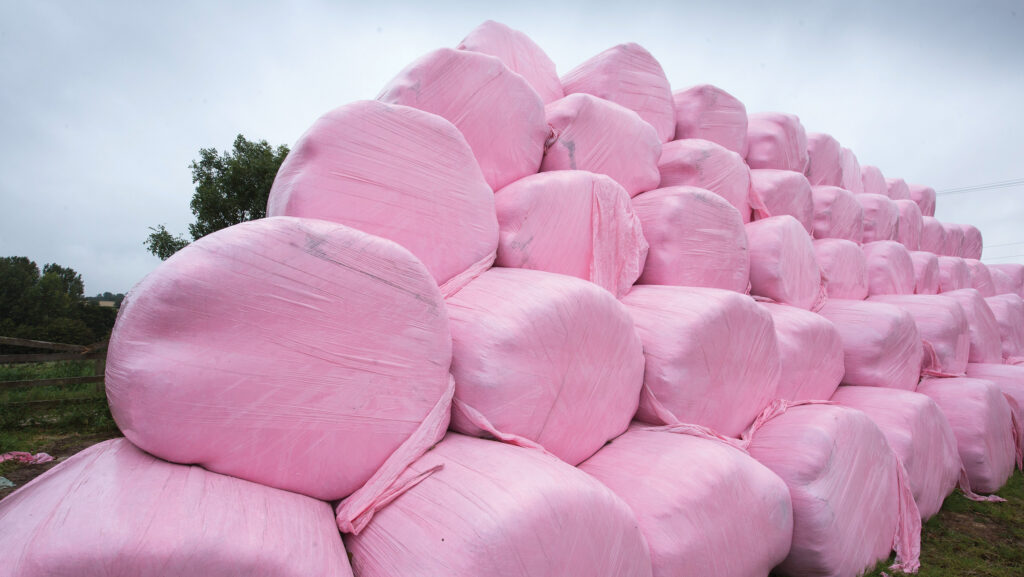
Beef and sheep farmers are advised to measure grass and count silage stocks now to establish their feed position and determine whether they can meet their farm’s feed demand this winter.
See also: Farmer Focus: Just enough forage to see us through winter
Grass yields were down 16% by mid-August compared with 2025, reveals Precision Grazing consultant James Daniel. He predicts the end-of-year position will be at least a 10-15% shortfall, with some dry farms 25-33% down on grass yield.
Although there was compensatory grass growth following rain in August and September, James says it was variable. Some farms saw “phenomenal” recovery, taking 40ha (100 acres) as an autumn silage cut in north-west England, while others in the North East were growing only 4kg dry matter (DM)/ha in October.
“It’s still very dry and not what was hoped for, so it means there is pressure on forage stocks, and farmers need to decide what to do for winter and focus on planning grazing for spring,” he says.
© Tim Scrivener
Measure stocks and analyse forage
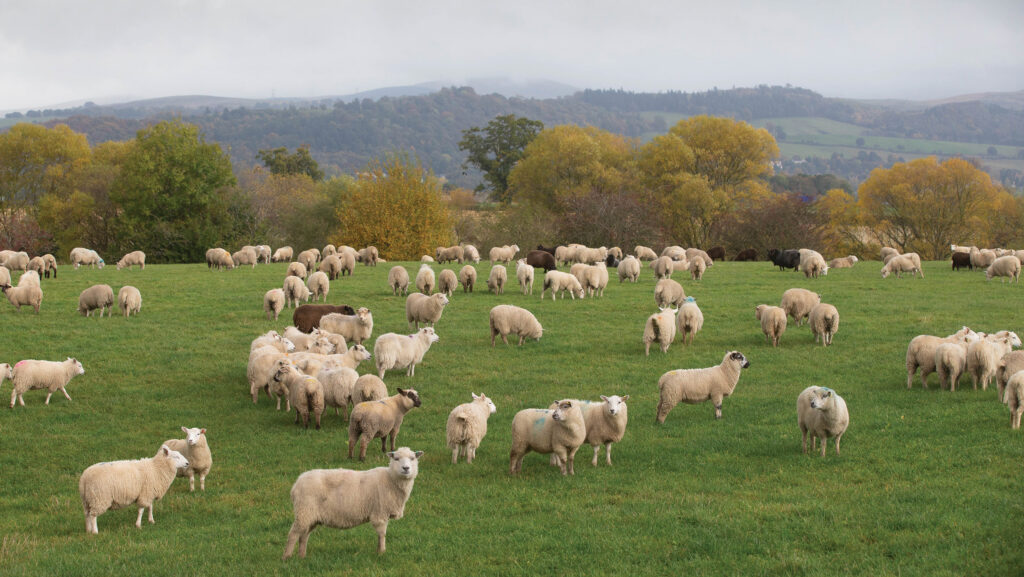
While it may not sound too bad given the prolonged drought, James says it is still “quite a gap to make up”, particularly where farms have had to break into winter forage stocks to supplement diets.
Other farms have failed winter forage crops, adding to pressure this autumn on feed stocks.
“Measure now to know your position. Get forage analysed, as a swing in dry matter can add or subtract from the feed available in your budget,” he advises.
“Count your remaining forage and purchased feed stocks. Assess any crops and available winter grazing, then convert all of this to tonnes of dry matter so it is standardised. Allow for any feeding and storage losses.”
Using this information to calculate a farm’s total livestock demand for winter, James recommends a software program to make the maths easy. It can also predict the date when feed will run out based on forage available and feed demand.
“Once you know the outcome, you can edit it and play with the criteria, such as livestock numbers, or your forage analysis, to see which has the most influence,” he adds.
Manage grazing to protect spring growth
Balancing a deficit is the big challenge, and this is where farmers need to judge their options. These should include contacting a straw/hay dealer to check out forage availability.
Working with a nutritionist allows diets to be planned to eke out a farm’s forage cost-effectively. “Monitoring early means you have several options; don’t wait until you run out of silage,” he warns.
In good autumn conditions, there will be a temptation to keep on grazing to make use of the farm’s cheapest feed, rather than have to feed silage or hay. But James stresses that this will “undermine spring success next year”.
“Spring grass is 12MJ metabolisable energy/kg DM, 20% crude protein and 20% dry matter and supports lambing, lactation and youngstock performance. It’s the cheapest feed, at 4-6p/kg DM, versus 45p/kg for concentrates.”
He recommends buffer feeding over grazing into late autumn to protect spring grass quantity.
Fields given a final grazing in November, then shut up for winter, will be ready to graze again in March; those closed in December won’t be ready until April.
James says that only heavy/wet farms where the ground is still dry after the drought could benefit from livestock staying out a bit longer.
James Daniel was speaking at the AHDB’s Managing autumn and winter grazing webinar.