

10-step checklist to prevent and control heifer mastitis
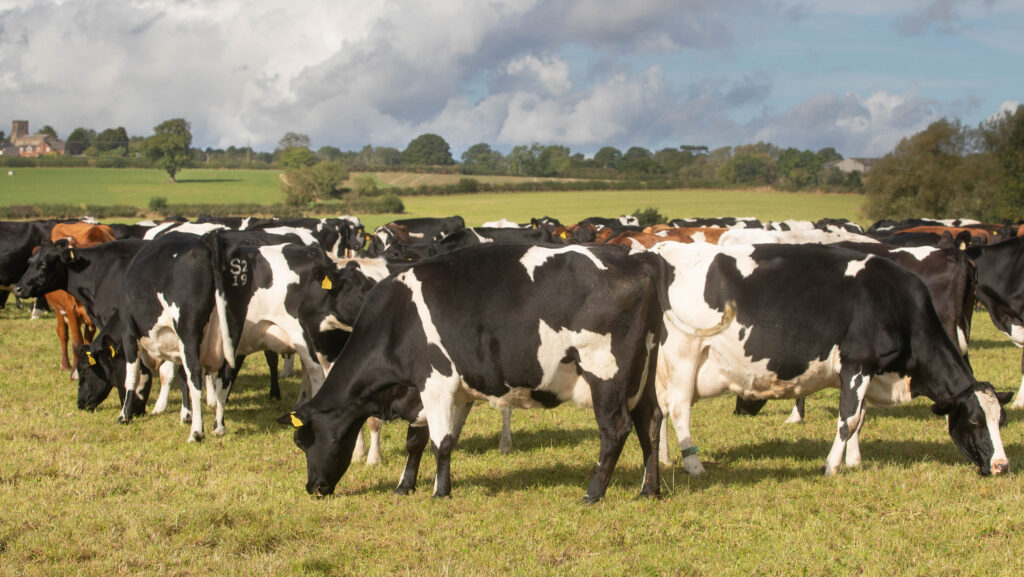 © Tim Scrivener
 Heifers with an elevated somatic cell count in early lactation might remain in trouble for their whole lactation. Data suggests they may average about 1kg/day less milk over the lactation, according to Prof Sarne De Vliegher from Ghent University in Belgium.
This means a herd with a heifer mastitis problem needs investigating using a programme of milk culturing, and heifer management needs optimising, he says.
See also: How a spring-block herd tackled heifer mastitis
As well as milk yield, heifer mastitis can have an impact on udder health and culling rates. However, the impact depends on the pathogens involved.
What is a heifer mastitis problem herd?
A heifer mastitis “problem herd” is defined as one where:
- 15% or more of the heifers have clinical mastitis around calving
and/or
- 15% or more of the heifers have a first-test-day somatic cell count above 150,000 cells/ml.
“Heifers with high somatic cell count [SCC] do not live up to expectations, especially when major pathogens are involved,” says Sarne.
This is why he believes the 10 measures published by the National Mastitis Council should be considered. These measures state the farm-specific interventions that should be in place on any farm are:
- Improve general udder health management at the farm level to decrease the pressure of infection with udder pathogens from older cows to heifers
- Control cross-suckling in calves and youngstock
- Implement an effective and efficient fly control system
- Keep young and primigravid heifers in a clean and hygienic environment and separate from multiparous animals – provide as much attention to this group of animals regarding hygiene and cleanliness as spent on lactating animals
- Avoid any nutritional deficiency – monitor vitamin E and selenium levels when any doubt exists, especially in relation to clinical mastitis; zinc, copper and vitamin A play a role as well and could be checked if there is doubt
- Minimise the risk of negative energy balance before and after calving through appropriate transition feeding systems
- Reduce the incidence of udder oedema by optimising peripartum management
- Minimise stress around calving (for example, by not moving heifers to the calving pen when already in labour) and minimise incidence of dystocia and peripartum disease
- Consider use of internal teat sealants prepartum where there is a high risk of environmental mastitis in the peripartum period
- Use prepartum antibiotic treatment in heifers under certain conditions only –
a. under the supervision of the herd vet, within the context of a valid veterinary/client/patient relationship;
b. after assessing the problem and identifying major pathogens (not coagulase-negative staphylococci) as the cause, through culturing;
c. choice of antibiotic should be based on antimicrobial susceptibility testing;
d. test for residues before every milk delivery;
e. discontinue treatment as soon as new management strategies become effective.
Culturing for NASM
Non-aureus staphylococcus and mammaliicocci (NASM) are microorganisms that can cause subclinical mastitis.
They have been identified as the predominant cause of intra-mammary infection in heifers, yet S aureus and environmental pathogens play a much more significant role.
Some studies have even shown that heifers infected with NASM may outproduce healthy heifers in terms of milk yield.
“We are still wondering why this is,” says Ghent University’s Prof Sarne De Vliegher, stressing this is why culturing is important to see which pathogens are at play at a farm-specific level.
Sarne De Vliegher was speaking at the recent British Mastitis Conference 2026, held in Worcester.