

Hatchery salmonella outbreak raises supply concerns
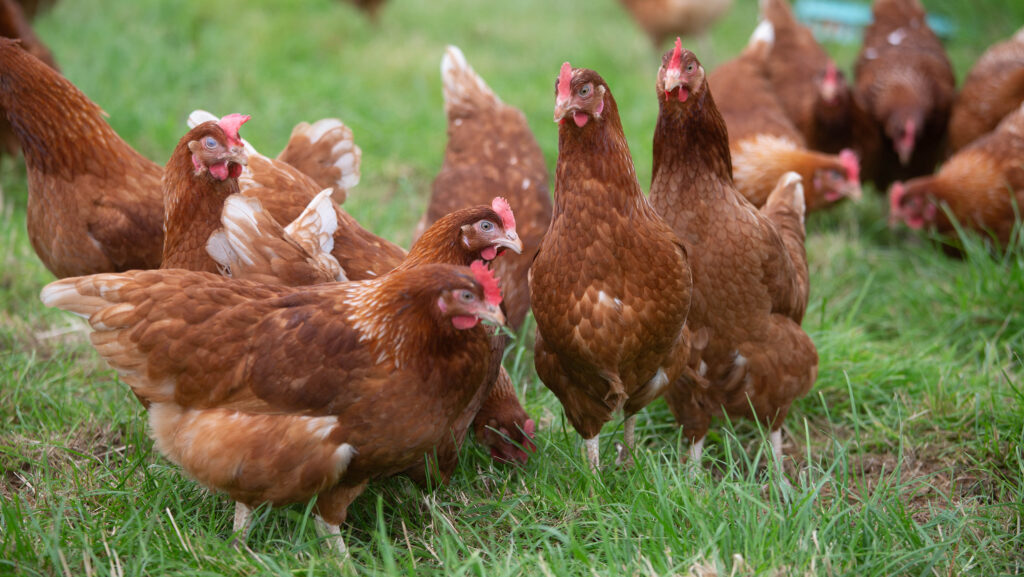 © Tim Scrivener
 An outbreak of Group B salmonella at a poultry hatchery near Peterborough has prompted restrictions and raised concerns over chick supply to farms.
The outbreak involves chicks hatched on 26 March at Joice and Hill Poultry, after customer chick tray liner samples tested positive.
The Animal and Plant Health Agency (Apha) has confirmed Salmonella typhimurium and placed the hatchery under official restrictions during ongoing investigations.
See also: How a leading pullet rearer keeps birds salmonella-free
The business is currently undergoing deep cleaning and disinfection and is working with Apha towards reopening.
Rapid containment
The National Salmonella Control Programme has enabled rapid tracing and containment of the outbreak.
In a statement, the company said: “Joice and Hill have done extensive rounds of sampling since the first suspicion but have yet to isolate salmonella from any supply flocks or their environment.
“Hatchery sampling has returned one positive from 300 samples taken, and this was in a non-production area.”
The hatchery has removed hatching eggs from specific flocks as a precaution and enhanced cleaning protocols.
Customers who received chicks from 26 March onward are advised to strengthen on-farm biosecurity and consult their veterinarian.
“We urge all customers receiving chicks since the 26 March to take all care and attention in their biosecurity to prevent any possible onward contamination and to consult with their veterinary consultant as to what steps should be taken,” the company said.
Supply disruption
Although infection levels are believed to be low, supply disruptions may affect producers awaiting pullet deliveries in the coming months.
Farmers are being advised to speak with rearers and packers to assess potential impacts.
The company added: “We recognise the impact this will have and sincerely apologise for the disruption to the sector.
“We are confident that our hatchery team can address the issue and that we can re-commence supply within a short time frame.”
A spokesman for the Animal and Plant Health Agency said: “Salmonella Typhimurium has been identified at an egg hatchery in the east of England and movement restrictions have been placed on the hatchery.
“It is vital that hatcheries, breeding sites, and rearing sites remain vigilant, continue to adhere to Salmonella National Control Programme requirements, and maintain stringent biosecurity measures to prevent future cases.”
There is currently no evidence of risk to public health or any immediate direct impact to egg supplies, he added.