

Bluetongue deaths drive up fallen stock costs
 © Tim Scrivener
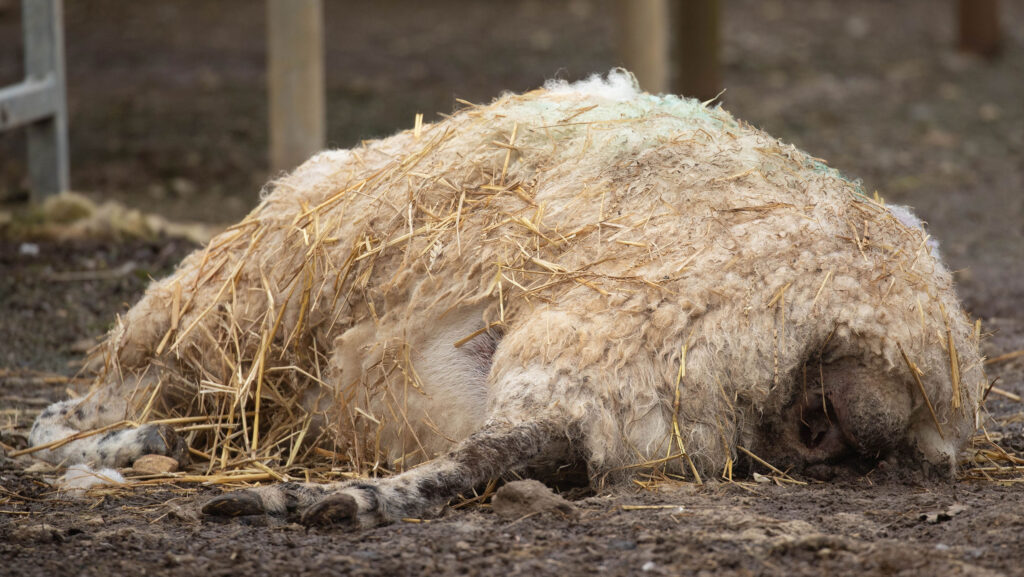
 Farmers hit by severe bluetongue losses are facing thousands of pounds in additional fallen stock collection costs as sheep deaths mount in hotspots.
The National Sheep Association (NSA) says some collectors in badly affected areas could be handling as much as 10 times their normal volume of dead stock, adding further pressure and cost for farmers already suffering significant losses.
See also: Bluetongue vaccine stocks run low as cases surge
NSA chief executive Phil Stocker said mortality varied considerably between farms, but some were experiencing significant losses.
“Some people are reporting high levels, even up to 30% mortality within groups of sheep, not across their whole farm necessarily, but the mortality rates within particular flocks of up to 30% are really, really big numbers.”
He said farmers could be paying up to £25 a ewe for fallen stock disposal, on top of the loss of value of the animal and treatment costs.
Mr Stocker called for discussions with government over targeted support for farms experiencing exceptional losses, warning financial pressure must not undermine responsible disposal.
“To ensure that the environmental performance is upheld through a proper form of stock disposal would be really worth investing in,” he said.
Fallen stock collection
Sue Allibone, 70, who runs Dulverton Farmers Fallen Stock near Tiverton with her husband Anthony “Bones”, has collected fallen stock throughout her married life and said she had never seen the situation so bad.
“We got a slight increase about three weeks ago, and we went for 10 days, sort of just increasing a little bit. But now it seems like every farm around us has got bluetongue.
“This is our quiet time, and it was always one bulker a week sending off roughly 25t.
“For a week now we’re sending a bulker every single day.”
The business has six vehicles on the road, with drivers starting early and still collecting animals at 10pm.
Mrs Allibone said farmers were increasingly worried about the longer-term consequences of ewe losses.
“We’ve been talking to all the farmers, and we are desperately worried about what’s going to happen in the next 12 months.”
She called for government help towards vaccination and fallen stock costs, adding: “I dread sending out the invoices to them because the money isn’t there.”
Mental health toll
Latest figures, as of 11 August, indicate that 334 UK premises have been affected by bluetongue serotype 3 (BTV-3), including 326 in England, seven in Wales and one in Scotland. No cases have been recorded in Northern Ireland.
Devon and Cornwall remain hotspots, with 190 affected premises in Devon and 72 in Cornwall.
Cornwall vet Dr Tom O’Sullivan said the outbreak was taking a serious psychological as well as financial toll.
“It’s having a devastating effect on them mentally as well as obviously financially; a lot of them are tearing their hair out.”
Some farmers had compared the experience with the 2001 foot-and-mouth outbreak, he said, while treatment was not always successful and difficulties obtaining vaccine were adding to frustration.
Dr O’Sullivan believes the true extent of infection is greater than confirmed figures suggest, with some farmers treating animals based on symptoms rather than waiting for laboratory confirmation.
He called for fallen stock burial to be temporarily permitted to reduce disposal costs, arguing this would not pose a significant biosecurity risk.
“Some of those animals are worth £200 and more if they’re shown. It adds insult to injury if they then have to pay £30 or more to have them removed.”
Government monitoring
Defra said it recognised the difficulties facing livestock keepers and was monitoring pressures on fallen stock collections.
Farmers should remain vigilant and report suspected disease to the Animal and Plant Health Agency, it said, while work was under way to secure additional vaccine supplies.
Shadow Defra secretary Victoria Atkins called for urgent government action, citing testing bottlenecks, communication delays and pressure on the disease reporting system.
“Ministers must get up from their sun-loungers and deliver the practical support our farmers urgently need,” she said.