

Bluetongue vaccine stocks run low as cases surge
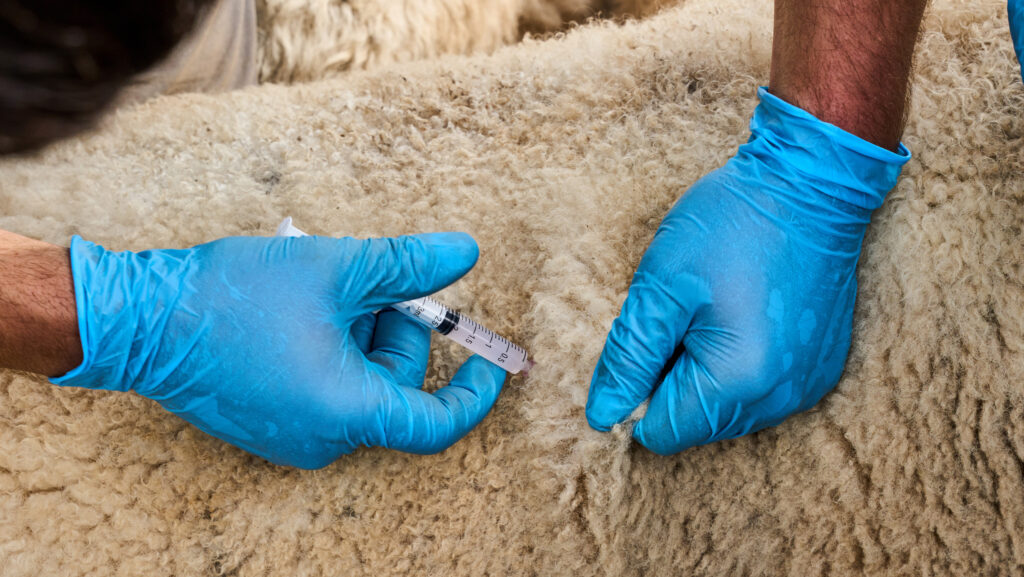 © Oli Lees
 Bluetongue vaccine supplies are under severe pressure in Britain, with one leading manufacturer exhausting its stocks as rapidly rising BTV-3 cases drive demand.
Boehringer Ingelheim said its own stores were now clear, although some vaccine may remain available through veterinary wholesalers, as efforts continue to secure additional supplies.
See also: Bluetongue: Is the UK’s strategy keeping pace?
Dr Sioned Timothy, technical services manager for livestock at Boehringer Ingelheim, said demand had changed dramatically over the past month.
“We’ve seen a huge change in the disease picture and consequently the demand picture,” she said.
The supply pressure comes as Scotland recorded its first BTV-3 case of the current bluetongue season, further extending the geographical spread of the disease.
There have been 289 cases of bluetongue serotype 3 (BTV-3) in the UK since 1 July, including 283 cases in England, five in Wales and one in Scotland. No cases have been recorded in Northern Ireland.
Supply challenge
Dr Timothy said Boehringer was working with Defra, the Veterinary Medicines Directorate and other regulators to explore every avenue for making more vaccine available.
Part of the potential supply is European-labelled stock, which is essentially the same vaccine, but requires a different regulatory process before it can be made available in Britain.
Demand for vaccine had previously fallen across Europe following widespread vaccination during earlier outbreaks, while uptake in Britain had also been lower before the recent escalation in cases.
“We try to monitor demand and match our stocks accordingly,” Dr Timothy said.
“We have been cautious because we’ve always feared that the situation might change suddenly, but it’s changed much more quickly than anyone expected.”
Boehringer could not yet say how many additional doses it expects to secure, but Dr Timothy said further stock should arrive “in the coming weeks”.
Vaccination advice
Farmers were urged to discuss vaccination with their vet as soon as possible, particularly where the risk of infection is increasing.
For sheep, immunity develops 21 days after vaccination. Cattle require two doses 21 days apart, followed by a further 21 days before full immunity develops, she said.
“The best time to vaccinate against any disease threat is today,” Dr Timothy said, warning there was a “good chance” the outbreak would continue to gain momentum.
She said vaccinated UK herds and flocks were showing protection as infection levels increased, supporting evidence from almost 50m doses used in Europe.
Dr Timothy also sought to reassure farmers concerned about potential fertility effects, saying monitoring of vaccinated bulls and rams had found no adverse impact on semen quality.
Scotland
Responding to Scotland’s first case, NFU Scotland said it remained unclear whether the disease was circulating more widely or represented an isolated incident.
It urged livestock keepers to remain vigilant and report suspected cases to the Animal and Plant Health Agency.
“Vaccination remains the only way to protect your animals from the disease and you should speak to your vet for further advice on vaccination,” it said.