

Scientists seek proof badger vaccine cuts cattle TB
 © Adobe Stock
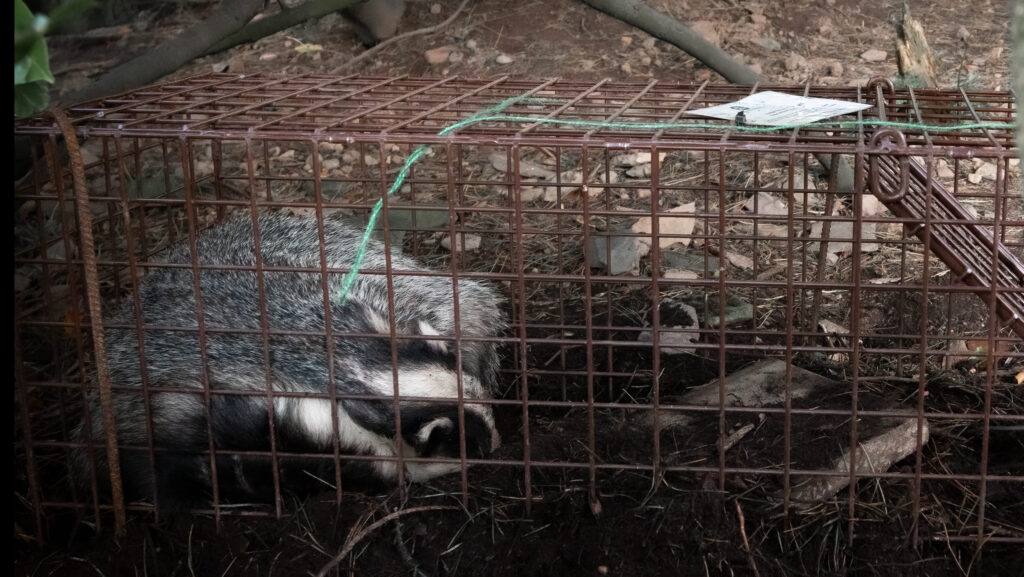
 Scientists have called for stronger evidence that badger vaccination is reducing bovine TB in Welsh cattle, amid gaps in measuring the programme’s impact.
A new British Ecological Society (BES) Welsh policy group report (opens in PDF) says strong evidence shows BCG vaccination reduces infection risk, disease severity and infectiousness in badgers.
See also: TB cattle vaccine set for rollout by 2030 in England
But evidence that operational vaccination programmes produce measurable reductions in cattle TB remains “limited and indirect”, researchers from Aberystwyth and Cardiff universities said.
Badger vaccination is the Welsh government’s principal wildlife intervention within its TB eradication programme, alongside cattle testing, movement controls, surveillance and biosecurity.
Report recommendations
The report sets out a number of overarching recommendations, supported by practical measures to strengthen badger vaccination in Wales:
- Measure vaccination coverage using better estimates of local badger populations and annual and cumulative coverage
- Improve understanding of badger movements using field surveys, genetic monitoring, camera traps and targeted GPS data
- Test whether vaccination benefits cattle through multi-year comparisons linking verified coverage with herd incidence, breakdown duration and recurrence
- Strengthen wildlife surveillance, including the All-Wales Badgers Found Dead survey and links with cattle epidemiology
- Build farmer and vet confidence through greater involvement in vaccination schemes and clearer communication of results and scientific uncertainty.
The report said these measures would allow Wales to distinguish inadequate delivery or coverage from “a genuinely limited intervention effect”.
It stressed badger vaccination should not be presented as sufficient on its own to eradicate bTB, but its contribution to the wider 2041 eradication programme should be demonstrated through robust monitoring and evaluation.
The report has been passed to Technical Advisory Group and Programme Board for them to consider and factor into their holistic advice the Welsh government said.
Contrasting regional trends
The latest Welsh TB figures show national improvement, but contrasting regional trends.
Across Wales, herd incidence fell from 7.1 to 5.7 and prevalence from 6.1% to 4.7%, their lowest levels since December 2006 and January 2017, respectively.
In the 12 months to March 2026, cattle slaughterings fell 21%, from 13,171 to 10,395. That followed a record 13,034 cattle slaughtered during 2024.
Herd incidence in the High East TB Area was at its lowest since September 2003, while prevalence in the Intermediate Mid TB Area reached its highest figure since June 2010.
The Welsh government said it was monitoring this increase, pointing to a longer-term trend showing “sustained progress towards eradication”.
‘Little comfort’
NFU Cymru TB Focus Group chairman Roger Lewis described the latest statistics as “tentative signs” of improvement, but said progress was not universal.
“These statistics remain of little comfort to farmers across the country who continue to live with this terrible disease,” he said.
FUW president Ian Rickman called for a “scientifically supported, sustainable and holistic” approach, saying the proportion of Welsh herds under TB restrictions had remained “stubbornly consistent over the past decade”.
The Bovine TB Eradication Programme Board has warned the current trajectory will not achieve officially TB-free status by 2041 without a significant step change.