

Farmers urged to order BTV-3 vaccine to spur production
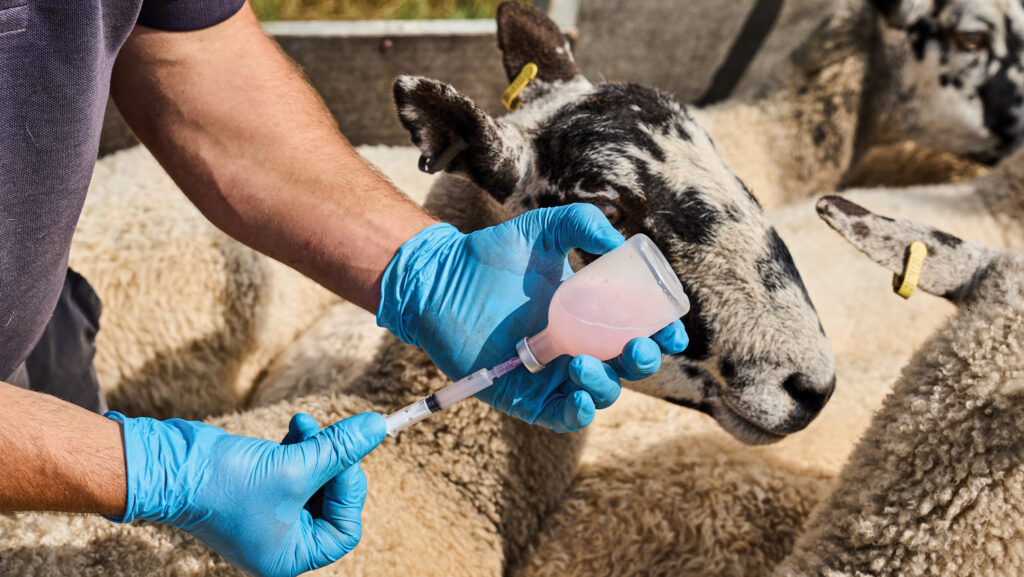 © Oli Lees
 Farmers are being urged to place orders for bluetongue vaccine now to spur the pharmaceutical industry into additional manufacturing as the outbreak continues to spread.
Vaccine availability in the UK remains under pressure as cases of the BTV-3 variant climb sharply, with 473 confirmed cases and 2,214 potential cases under investigation.
AHDB head of animal health and welfare Mandy Nevel said vaccination remains the most effective protection and warned the outbreak is not expected to peak until September.
See also: Emergency grants for farmers hit by bluetongue and drought
Devon, Cornwall and Somerset remain the hardest hit areas, but confirmed cases are also beginning to cluster in Cheshire, Greater Manchester, Lancashire and East Yorkshire.
Defra and the Veterinary Medicines Directorate (VMD) are working with manufacturers to bring additional vaccine into Great Britain from European stocks, but farmers and vets are encouraged to place orders rather than wait for supplies to become available.
A Defra spokesman said: “We continue to work closely with industry and are putting processes in place to bring in additional vaccine supplies while urging farmers and vets to place orders to ensure access.”
It remains unclear exactly how much vaccine is available for shipment and how quickly it can arrive.
Cumbria sheep farmer Liz Staley is still waiting for bluetongue vaccine as the disease moves closer to her flock.
Mrs Staley, who farms about 800 sheep near Kirkby Stephen, has ordered vaccine for breeding stock and gimmer lambs ahead of autumn sales.
However, she has been given no firm delivery date. “We don’t know. It possibly could be September,” she said.
“The vets order it, you get put on a list and then it gets allocated.”
Mrs Staley said the uncertainty was worrying as farmers approached important breeding sheep sales.
Industry sources told Farmers Weekly that Defra is also considering underwriting another vaccine production run for the UK, but the manufacturing process is understood to take about three months.
The move would give manufacturers greater confidence to produce sufficient supplies without removing vaccination costs from farmers.
While cases in Scotland are also increasing with four recorded so far, Wales has 15 confirmed BTV-3 cases this season.
Communicate demand
NFU Cymru warned there was “no room for complacency” as infections continue to rise.
President Abi Reader said vaccination remained the best form of defence against a disease that can affect animal health, productivity, fertility and trade.
While vaccine supplies are currently limited, NFU Cymru is urging farmers to discuss vaccination with their vet and register their requirements now.
“We encourage farmers to ensure they are communicating their demand for vaccine with their private farm vets, so we can pull through more doses to Wales,” Ms Reader said.
Chief veterinary officer for Wales Richard Irvine said: “Vaccination is the only viable long-term control measure for bluetongue. Vaccine demand is very high at present.
“We continue to urge all keepers of susceptible animals to discuss vaccination with their private vet. Farmers and vets are advised to place orders for vaccine now to ensure access to commercially available supplies.”
Financial support
The National Sheep Association is also pressing government to consider financial support for fallen stock disposal on farms where BTV-3 is circulating, and funding for vets to investigate and sample suspected cases.
It said covering veterinary costs would encourage reporting and align England with Wales, where the Welsh government pays for the veterinary visit, investigation, and testing of up to three samples after a suspected bluetongue report.
In England, farmers must pay for their vet to visit, collect samples and send them to the Pirbright Institute, although Defra funds laboratory testing of up to three samples.
AHDB information events
With the peak of this year’s bluetongue outbreak yet to come, the AHDB is hosting a variety of meetings to allow levypayers the chance to hear from experts from across the industry and to receive timely practical information and support related to the disease.
Spaces are limited, and demand is expected to be high.
The events are to be held at:
- 24 August, 6.30pm Gisburn Auction Market, Clitheroe, Lancashire
- 25 August, 6.30pm Borderway Mart, Montgomery Way, Carlisle, Cumberland
- 26 August, 6.30pm Shrewsbury Auction Centre, Shrewsbury, Shropshire
- 27 August, 7pm Carmarthen Livestock Mart, Carmarthen, Carmarthenshire
- 3 September, 6:30pm Melton Mowbray Market, Melton Mowbray, Leicestershire