

Farmers urged to watch for Shamonda virus
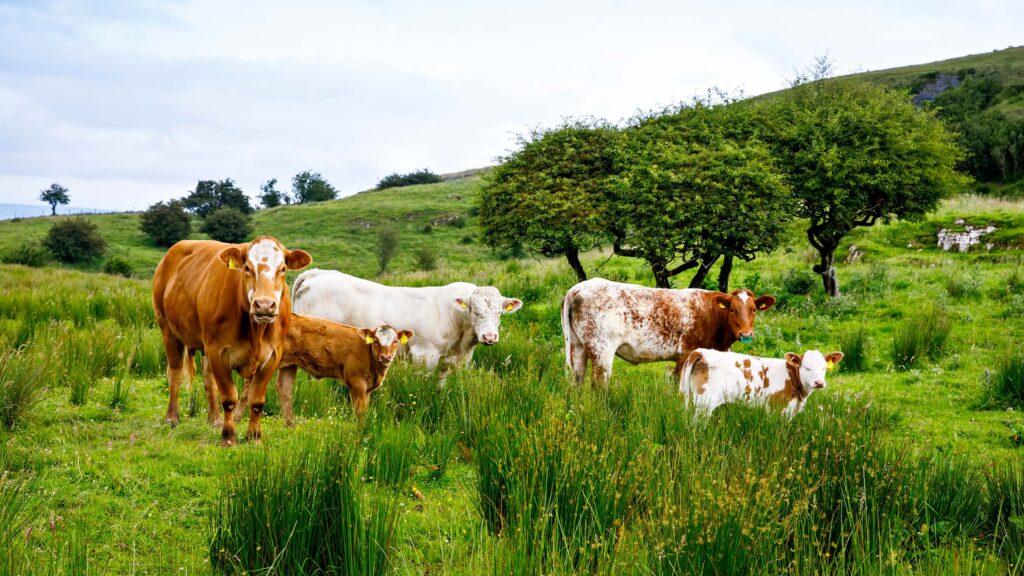 © AdobeStock
 Farmers in Northern Ireland are being urged to monitor livestock closely after Shamonda virus (Shav) was detected on two farms in the Republic of Ireland.
Department of Agriculture, Environment and Rural Affairs (Daera) minister Andrew Muir issued the warning after positive test results were reported from two farms in County Cork, following a confirmed case in Jersey in August.
See also: Bluetongue restrictions extended to cover all of Scotland
The Animal and Plant Health Agency (Apha) detected Shav in Jersey cattle showing clinical signs consistent with cases elsewhere in Europe, confirming the virus is now present in the British Isles.
The midge-borne virus belongs to the same group as Schmallenberg virus and mainly affects cattle, although it has also been detected in sheep, goats, alpacas and horses.
Symptoms
Symptoms in cattle can include fever, diarrhoea, lethargy, reduced milk production and mild respiratory signs.
Abortions have also been reported, while infection during pregnancy may cause congenital abnormalities similar to those associated with Schmallenberg.
However, the symptoms are not specific to Shav and can resemble other endemic and exotic livestock diseases, making veterinary investigation important.
There is currently no vaccine or specific treatment.
Shav is not a notifiable disease and is not subject to movement restrictions or trade controls, while there is no known risk to human health.
Mr Muir said: “Coming on the back of the emergence of bluetongue last year, which is another midge-borne virus, it is essential farmers and horse owners are alive to both viruses and familiarise themselves with the symptoms.
“Whilst there is no evidence of the virus in Northern Ireland, farmers and horse owners should remain aware of unusual illness in their animals and contact their private veterinary practitioner if they have concerns.”
Remain vigilant
National Beef Association chief executive Neil Shand said: “We are very alert to the risk of it and alert to things getting crossed over with other diseases.”
He added that cooler weather could help reduce midge activity, but said farmers and vets should remain vigilant.
Apha has developed diagnostic testing for Shav and is encouraging investigation of livestock and equine cases showing compatible clinical signs.
Farmers concerned about sick animals should contact their private vet, while any suspected notifiable disease must still be reported immediately to Apha.