

Sheep scab scheme cuts disease across 2,000 Welsh farms
 © Tim Scrivener
 A Welsh government-backed programme has made significant progress in reducing sheep scab, having helped more than 2,000 farmers manage one of the sector’s most costly diseases.
The Gwaredu Scab initiative, which ran from April 2023 to March 2026, worked with 2,195 flocks, providing testing, diagnosis and treatment.
Of those, 1,650 flocks – representing nearly 1.5m sheep – received targeted treatment following confirmed infection, delivered in partnership with 54 veterinary practices.
See also: Scottish marts’ post-sale dipping service helps fight sheep scab
For many farmers, the scheme provided co-ordinated, on-the-ground support to quickly and safely address outbreaks.
A network of 32 approved mobile dipping contractors enabled compliant treatment at farm level, while Trading Standards teams helped identify at-risk holdings and encouraged early testing.
John Griffiths, programme manager, said the results underline the benefits of industry co-operation.
“The progress made through the Gwaredu Scab programme demonstrates what the Welsh farming community can achieve when we work together,” he said.
“By supporting more than 2,000 flocks, strengthening diagnostic capacity, and improving co-ordination across clusters and commons, we’ve taken major steps toward reducing the impact of one of the most damaging sheep diseases in Wales.”
Cluster working
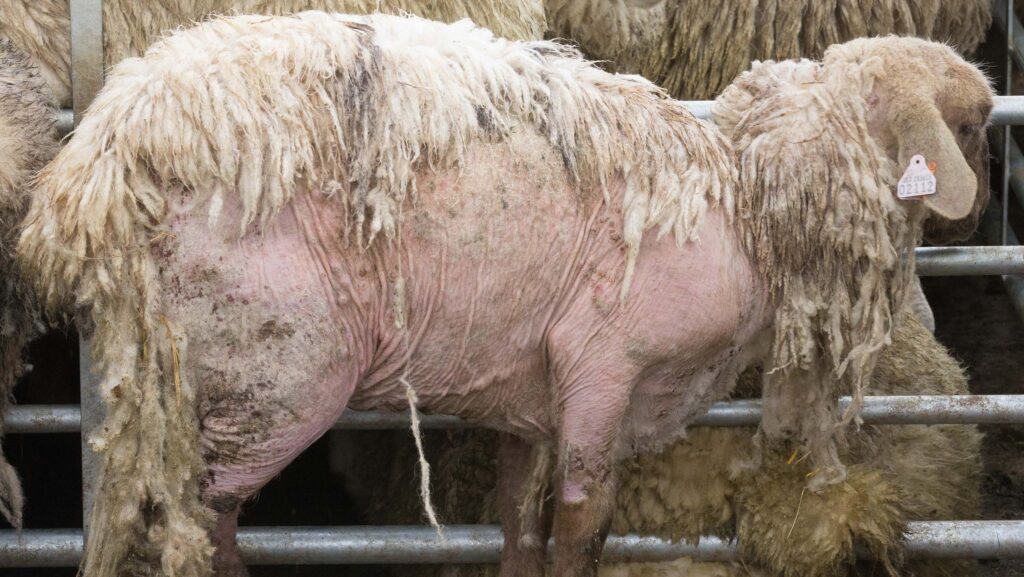
Sheep scab, caused by the Psoroptes ovis mite, can severely affect flock health, leading to intense itching, wool loss, reduced weight gain and, in some cases, death.
The disease can also cause significant financial losses for sheep producers across the UK.
To reduce reinfection risks, more than 300 local farmer cluster groups were established, encouraging neighbouring farms to co-ordinate testing and treatment.
This approach has helped improve communication and limit the spread of infection.
NFU Cymru livestock board chairman Rob Lewis said: “What this project has shown is what can be done, given correct identification and farmers working together to get sheep dipped correctly and safely using OP plunge dipping bath.”
Challenges remain
Despite progress, challenges remain, including reinfection in areas where farms have not participated and ongoing issues such as dip disposal.
Helen Roberts, National Sheep Association Cymru corporate sales manager, said: “Challenges remain, particularly around dip disposal and achieving full producer participation.
“However, the initiative has already delivered meaningful impact.”
Anwen Hughes, Farmers’ Union of Wales vice-president, added: “Continued government support is imperative to drive forward on the success of the programme.”