

Subsidised test available for ewe abortions
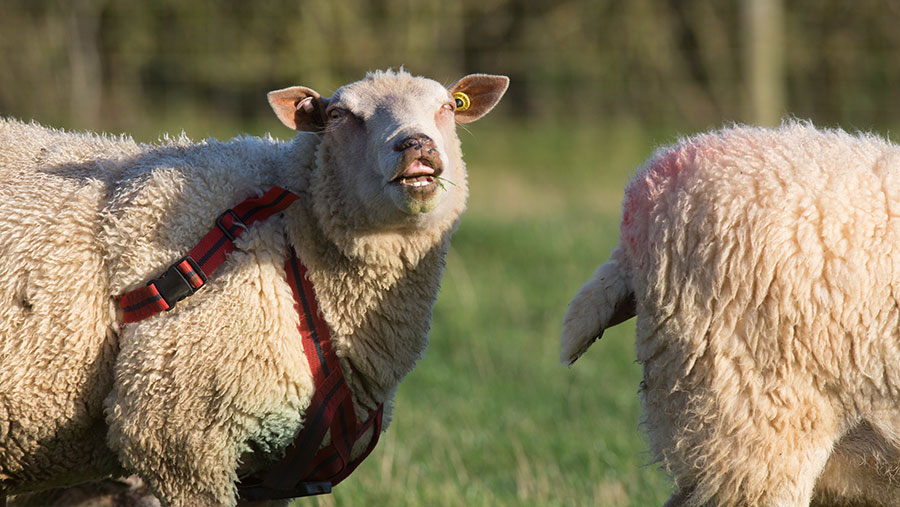 © Tim Scrivener
 Sheep flocks with abortion rates higher than 2% can have ewes tested for two key loss-causing pathogens under a subsidised diagnostic scheme.
Toxoplasmosis and enzootic abortion account for about two-thirds of all diagnosed abortions, according to MSD Animal Health, which has subsidised the Expertis FlockCheck testing scheme for more than 10 years.
The company explained that when abortion rates climbed above 2% it suggested an infectious cause and should be investigated.
See also: Only half of farmers store vaccines correctly, survey finds
The subsidised scheme, open to sheep farmers nationwide, is available through vets until 31 July. It requires vets to take blood samples from six to eight aborted, unvaccinated ewes.
Test results
MSD Animal Health veterinary adviser Stephanie Small said test results from 2017 revealed that more than 80% of ewes which aborted had been exposed to toxoplasmosis while almost three-quarters indicated enzootic abortion and two-thirds tested positive for both diseases.
“Aggregated data from the 2017 FlockCheck scheme highlighted that 81% of flocks tested showed evidence of exposure to the parasite Toxoplasma gondii, which causes toxoplasmosis,” Ms Small explained.
If either toxoplasmosis or enzootic abortion has been diagnosed in a flock, vaccination is the most effective way to help protect against these diseases for future years Stephanie Small, MSD Animal Health
“The data also showed that approximately three-quarters of flocks had been exposed to Chlamydophila abortus bacteria, the organism causing enzootic abortion,” Ms Small said.
“If either toxoplasmosis or enzootic abortion has been diagnosed in a flock, vaccination is the most effective way to help protect against these diseases for future years,” she added.
Breeding females can be vaccinated against toxoplasmosis between four months and four weeks before tupping and are then protected for at least two lambing seasons.
Vaccines for enzootic abortion can protect the ewe for at least three years and all breeding females should be vaccinated any time between four months and three weeks before tupping, Ms Small advised.