

How pain relief and fluid therapy can benefit ruminants
 © Tim Scrivener
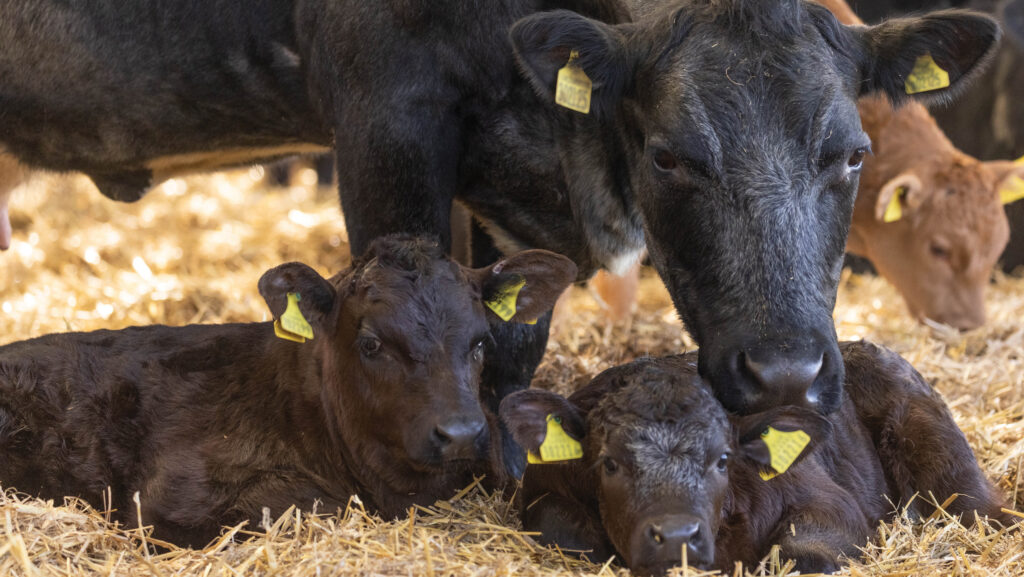
 For prey species like cattle, expressing pain is risky, as it signals weakness to predators. Knowing this helps us understand why they appear so stoic, even when they are in pain.
See also: Benefits of giving heifers pain relief at calving
About the author
 Helen Rogers is a director vet at independent livestock vets Friars Moor Livestock Health.
Her interests include bovine reproduction.
An indirect benefit of the industry’s focus on responsible use of antibiotics is that we have become much better at providing supportive care to livestock.
The use of non-steroidal anti-inflammatory drugs (NSAIDs) to provide pain relief and reduce inflammation, alongside fluid therapy to correct dehydration and encourage food intake, are now the go-to treatments when faced with off-colour ruminants.
The dairy industry has embraced the use of both, and it is really encouraging to see the beef and sheep industry moving in the same direction.
Many of our beef farmers are now signing up for our stomach-pumping courses – these provide an opportunity to talk about supportive therapy and the benefits that should be seen when these practices are routinely adopted.
Pain relief for calves with diarrhoea
There are many documented benefits to using pain relief in calves. For example, in cases of neonatal diarrhoea, a single dose of meloxicam has been shown to make calves more likely to consume their entire milk allowance than calves treated with only antibiotics (Todd et al, 2010).
They also eat more starter food and gain more weight. Similarly, in calves with bovine respiratory disease, the addition of NSAIDs alongside antibiotic treatment reduced lung lesions and increased average daily weight gain.
Other work points to the benefit of providing pain relief to newborn calves born with assistance. At our recent suckler cow benchmarking meeting, we discussed this topic while comparing results of the transfer of antibodies in colostrum to newborn calves.
The farmer at this meeting with the best results has excellent protocols for colostrum harvesting and supplementation. They also treat any calves suspected of having a more difficult birth with a single dose of meloxicam.
We have no proof to directly link the two, but it highlighted how holistic, broad thinking can benefit our livestock and how differently we now view pain within the industry.
NSAIDs use to treat lameness
In adult cattle, the use of pain relief has increased hugely among our clients. It is no longer reserved just for severe cases such as toxic mastitis or a bad calving.
Some of this uptake has been in the treatment and prevention of lameness. Work by Thomas (2015) showed that treating a lame cow with trimming, a block and NSAIDs is significantly more effective than trimming alone.
Thomas’s 2016 paper illustrated the importance of providing this treatment promptly, as the effects were not significant in the chronically lame cow, although these cows should be provided with pain relief on welfare grounds.
Furthermore, a 10% improvement in first-lactation heifer mobility was found if heifers were treated at the point of calving with ketoprofen for three days and at every lameness event thereafter (Wilson, 2022).
Tech advances allow for earlier intervention
The increasing use of technology means that we can now detect painful conditions much earlier.
This allows us to use supportive treatments such as fluid therapy and pain relief at an early stage of the disease, while we determine what is wrong with the animal and whether further therapies are required.
If you would like to see how NSAIDs could fit into your herd or flock health plan and help improve both welfare and performance, speak to your vet.
Each month, we bring practical independent advice from an XLVets practice on a range of different subjects.