

Benefits of daily interaction with cattle to ease handling
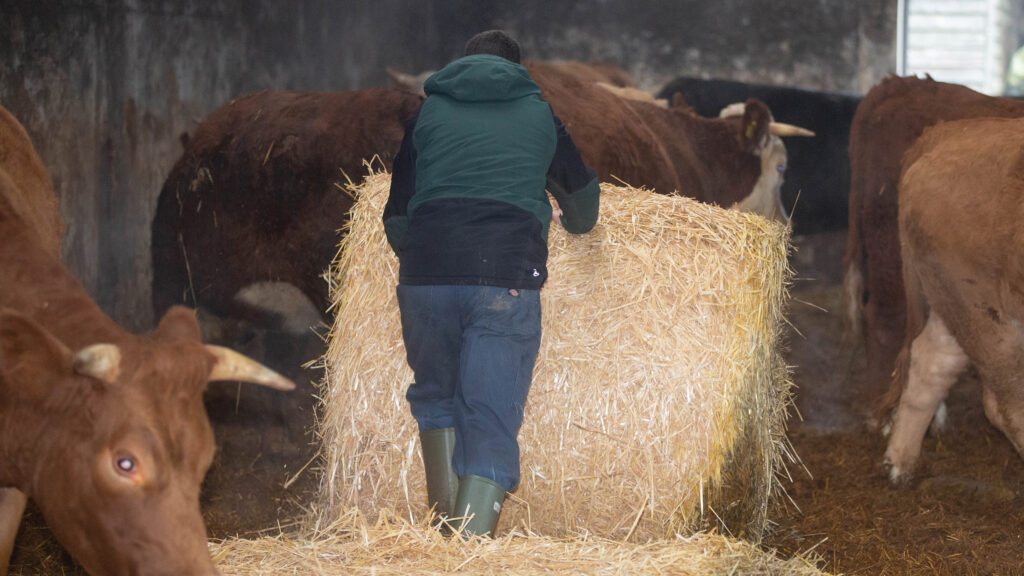 © Tim Scrivener
Automating jobs such as bedding up and feeding saves labour, improves farm efficiency and can increase stock performance.
Yet beef farmers are advised to be aware of unintended consequences – if cattle don’t interact regularly with humans because of drive-by routines, they can become more flighty, stressed or even aggressive when handled.
See also: How farm’s cattle-handling revamp ups efficiency and safety
The result is a greater risk of injury to both human and beast, depending on production system and the age of the animal.
This is the opposite of what quiet handling tries to prevent, says vet Mel Julian of Cross Counties Farm Vets.
The downside of automating tasks is it reduces direct contact with a human. “There are many benefits from improving efficiency and health and safety, but bear in mind that you are removing interaction with an animal if you’re not going in the pen with them,” she says.
Dangers of irregular contact
Daily routines could lead to checking stock from the tractor cab without going near cattle. In turn, animals get used to the machinery and its noises, but not the sound of voices or human movements.
However, cattle need to get accustomed to people and regular farm noises because they are prey animals, so their instinct is flight, freeze or fight when under stress.
There is a danger that the only time cattle have contact with humans is for tasks like vaccination or TB testing.
As a result, they quickly learn to connect humans with bad experiences. Quicker reactions will occur in new situations, whether that is moving between pens, someone entering the pen, or just people speaking.
“No exposure [to people] causes more stress, impacts production and, if at the wrong time, conception rates. A rise in stress can also lower the immune system, making the animal more susceptible to disease,” says Mel.
Positive interactions
Low-stress handling facilities are designed to work with a cow’s natural behaviour while keeping the operator safe.
Scary features such as sudden noises and distractions, wind and bright sunshine are replaced by left-handed movement, good vision and solid sides on races.
However, the aim should be to remove negative associations with people (needles and veterinary procedures), while introducing and maintaining positive ones (nice feed), or neutral activities such as weighing and moving between pens. “Make being with humans nice and stress-free for cattle,” she adds.
One way to begin is to spend time each day walking along the feed fence and interacting with cattle.
Similarly, practise calmly handling cows to be able to move them safely and quietly at calving. It’s useful to be able to get close to a cow (even touch her) in case she needs to be guided to a calving gate, says Mel.
Even the quietest cow will change temperament when full of hormones and become “incredibly protective of their calf once it’s on the ground”, she adds.
Introduction to handling facilities
Familiarisation, on the other hand, means that when there is a problem, it’s not the first time a cow has been moved to a different part of the shed to be restrained in a calving gate. For beef heifers, that might mean being involved in a breeding synchronisation programme.
Running them through a system three or four times before the first procedure allows them to get used to the environment “so it’s not a massive reaction”, says Mel. “You can feed in there, which means they get something nice, not just jabbed and inseminated,” she adds.