How dairy course grew young farmer’s business skills
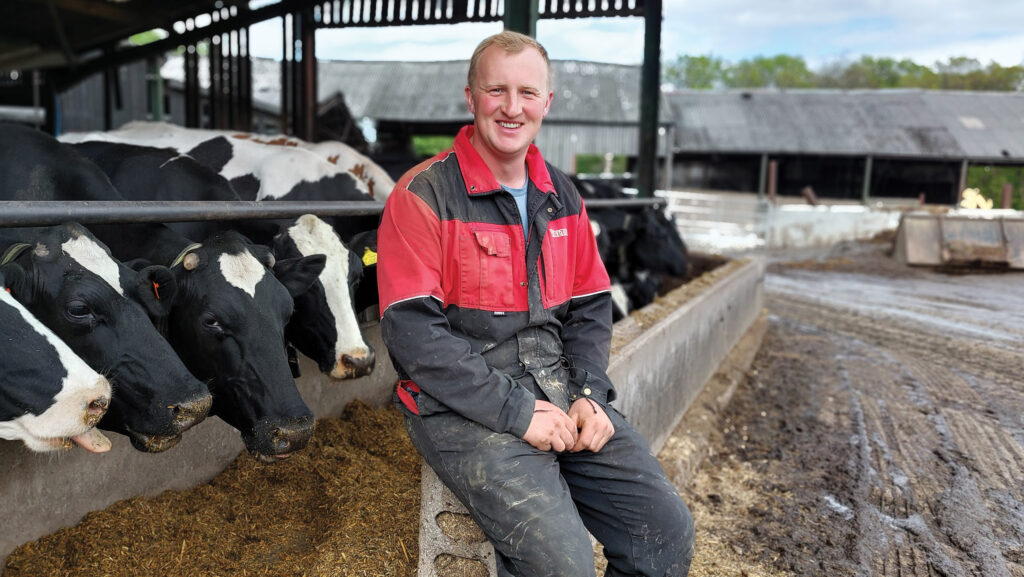 George Watts © MAG/Shirley Macmillan
 Unafraid of numbers yet with little experience in using them to run a dairy farm, it was George Watts’ decision to buy a 24/48 parlour that made him improve his financial skills.
The experience of selecting new milking and handling facilities prompted him to sign up for the Royal Association of British Dairy Farmers’ (RABDF) Entrepreneurs in Dairying course last September.
See also: How a dairy business course set new entrant up for first herd
Having instigated five years of major change at home, George now says of the farm’s latest purchase (to reduce total milking time from seven to eight hours a day).
“We made the right decision, but I can now work it back and know what we need to be returning [from this investment].”
Farm facts: Toad Hall, Thurgoland, south Yorkshire
- Farming 202ha on two sites including 55ha grazing platform
- Land at 150-317m above sea level
- 250 cows
- 75% calving in six weeks from mid-August; 25% calving in six weeks from February
- Yielding 8,500 litres at 4.5% fat and 3.5% protein
- Turnout early March; housed by mid-October
- Rearing 55 replacement heifers a year
- Beef sold or reared to finishing according to forage stocks
On-the-job learning from other entrepreneurs
After college, George worked on dairy farms, developing skills in grass-based milk production in Derbyshire, then adding “detail, finesse and intensity” in New Zealand.
“I worked for a 900-cow herd that was a good business to work for, and the contract milker had bought his own farm at 30 years of age. He was good on his numbers; I tried to let that rub off on me,” he says.
George enjoyed the simplicity of the block-calving routine and took his new knowledge and enthusiasm home to Toad Hall Farm, Thurgoland near Sheffield, in 2020.
But while his parents and uncle could see the positives, they were apprehensive, he says.
There was concern about the volume of work from a compact calving block, plus rearing so many calves at once.
“Now, three to four years into it, they wouldn’t go back,” he confirms.
New direction for dairy system at home
© MAG/Shirley Macmillan
Working alongside his dad, David, uncle Rob and cousin Tom, George upgraded facilities and helped to transform their farming system.
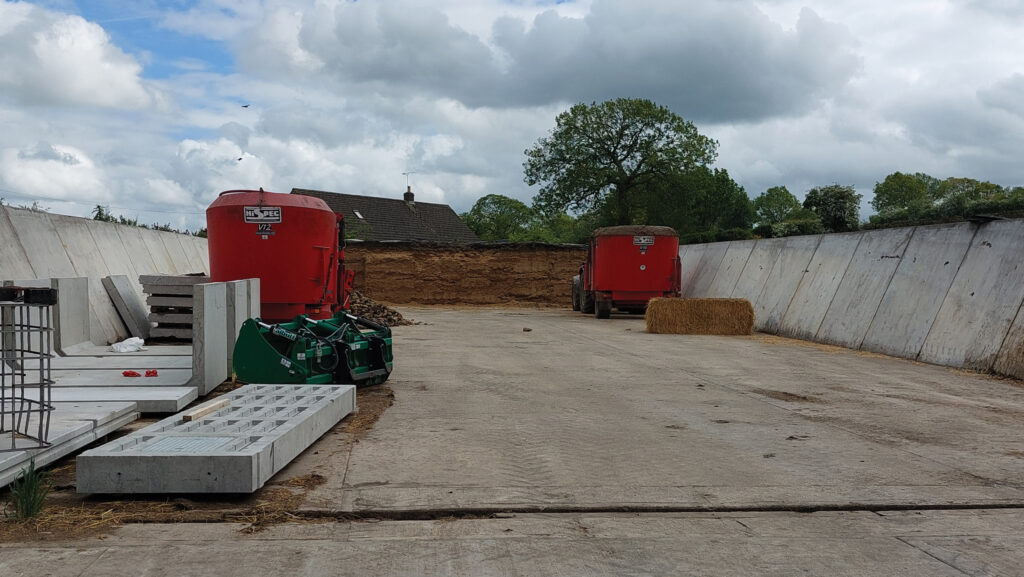
This included getting slurry storage up to spec, adding two new silage clamps, and installing grazing infrastructure.
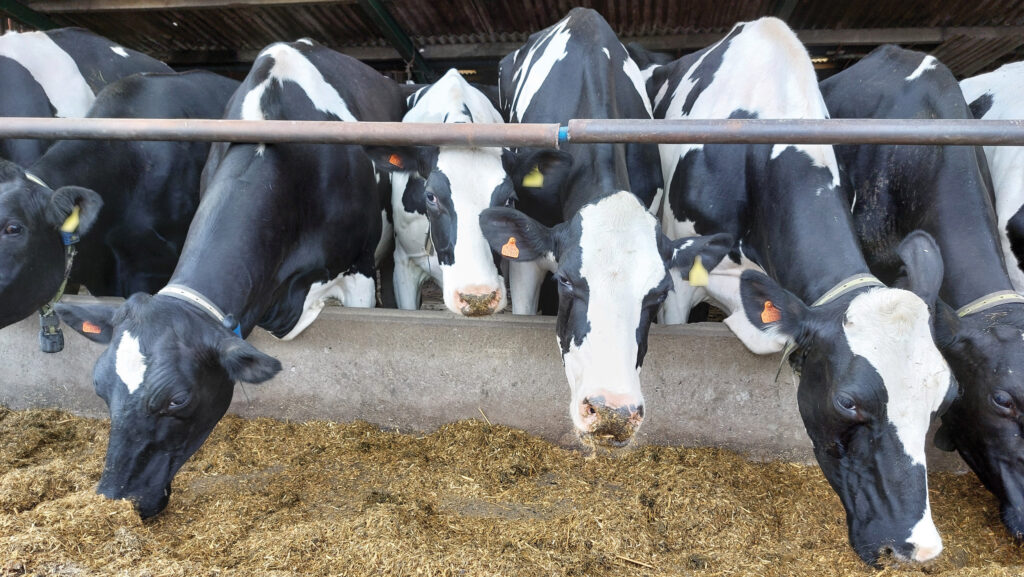
The former Holstein herd, averaging 9,000 litres and calving year-round, was moved to an autumn block.
Norwegian Red genetics are being used to breed a more robust, crossbred cow that “can look after itself”, and the focus is on production from grazed grass.
George’s mum, Vicky, and his partner, Louise, are also involved on the farm, as well as his sister Jess and her partner Josh.
“We have a lot of responsibility,” he says of the younger generation.
“My sister and her partner work part time to make one labour unit. Our parents are not taking a back seat – more like a passenger seat. They are still working, but we are not reliant on them, so it allows them not to have to do so much if they don’t want to.”
© MAG/Shirley Macmillan
In-depth skills to meet business goals
Although there had been some business studies at college and in New Zealand, George was keen to know more.
The RABDF’s business management course had come to his attention several times, but 2025 felt like the right time for him.
“There was a lot going on with farm infrastructure and financially, so I needed to know what I was doing,” he explains.
“I’m not scared of numbers, but I didn’t know where to start and which numbers to start with. I’m glad I didn’t do it straight away, though, as I’ve now got more experience and know what I should aim for.”
The 10-day course was held in person and included three or four overnight stays, the rest being trips no more than two hours’ travel away.
“The best thing is when you are eating and drinking with everyone, so you learn lots just talking,” he reflects on the format.
Confidence to produce farm budgets
The course covered milk markets, banking and accounting, and people skills.
“The two financial days with [Andersons consultant] Tony Evans I took most out of. We used to think that if we were technically alright, then the financials would follow.
“But on the course, we put the figures on the technical, and I could see positives and some areas to get better – our machinery and overheads were a bit high.”
It was the first time George had drawn up his own farm budget (and it was not a terrifying experience) and he learned how to do a bottom-up budget – what the farm needs to make.
He also discovered that “stuff costs a lot of money. You don’t realise, so you have got to be on top of it. We’ve never used a consultant to run the numbers; now I have confidence to do a budget and a comparable farm profit”.
Laying the foundations for new opportunities
Farm improvements at Toad Hall have tended to be from savings, not borrowings.
However, George says he gained a good understanding from a bank manager of how borrowing works and what to do.
This could be useful in future as he may choose to operate differently to take advantage of opportunities. “It makes sense sometimes to borrow,” he adds.
“The accountants told us the difference between partnerships and limited companies, and we visited a few good farms where I learned that a lot of people have been rewarded for hard work.
“You get your numbers and performance right, and there are places to go. But it’s about making connections with people to get opportunities.”
Rewarding people correctly was an important lesson.
George says he realised that it is not straightforward on family farms relating capital involved to the time and effort put in by individuals.
He found the people skills section useful, even though the farm employs only one person.
“You learn about people’s personalities, how they work, and the best way to appreciate people and get the best out of them,” he says.
Since the course, George says he has retained the emphasis on good technical performance, while keeping track of the numbers. Information about farming partnerships proved particularly useful.
“We were working with solicitors and accountants to add me and my cousin to the partnership – now we’re doing it properly.”
Next steps to benefit the business
Next on his list “to keep pushing myself” is to join a discussion group.
He predicts the farm’s current workload will ease off in about 18 months, meaning his dad and uncle could do less work.
“But we enjoy working together. We have the skills and are capable, so we will look for other opportunities to expand.
“The course gave me better confidence to do that,” he says, adding that it particularly benefits farming offspring through meeting people and seeing other farms.
“You don’t need everyone coming down the drive telling you how to run your farm – learn the skills yourself,” he says.
More information on the 2026 Entrepreneurs in Dairy course is available from RABDF.