

Farmer Focus: Bull hire – quality genetics at lower cost
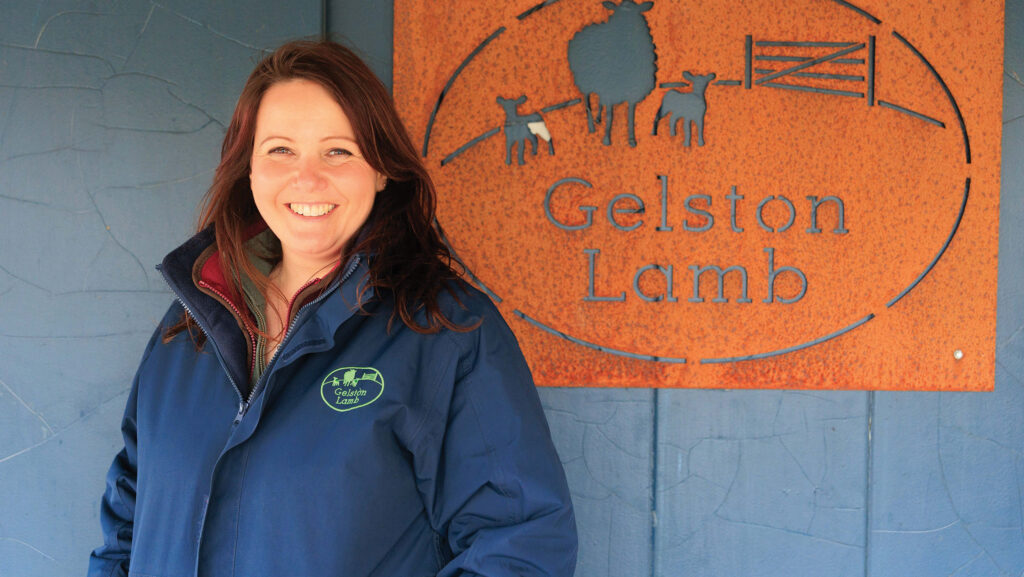 Louise Elkington © Tim Scrivener
 The prolonged dry spell is beginning to bite. Winter feed stocks are disappearing far quicker than we had planned, as everything is now being fed on haylage. Not only is that adding a significant cost at a time when margins are already tight, but it’s also adding extra hours of work to every day.
Feeding haylage isn’t a five-minute job, and with plenty of other work demanding attention, it’s another reminder of how quickly the weather can dictate both workload and profitability.
See also: How to select a stock bull to breed herd replacements
About the author

We’ve also admitted defeat with rotational grazing for now. Grass growth has completely stalled, so moving sheep and cattle from paddock to paddock simply isn’t worthwhile.
Sometimes the best management decision is knowing when to stop making life more complicated and work with the conditions you’ve got.
Thankfully, it’s not all doom and gloom. We recently welcomed a new Lincoln Red bull to run with our Stabiliser cattle. He is from the same breeder we hired a bull from last year. He’s a real eye-catcher; a powerful animal with an excellent pedigree behind him.
Working with another breeder like this makes perfect sense for us. We avoid the expense and year-round upkeep of owning a stock bull, while still benefiting from good-quality genetics that should produce some cracking calves next spring.
Despite the challenging conditions, this year’s calves are thriving. We were slightly concerned about how cows rearing twins would cope through such a dry summer, but they’ve done a fantastic job.
Both cows and calves are looking well, which is encouraging and a real credit to the herd.
Our next challenge will be deciding when to drill the stubble turnips. The fields are already cleared, but without any rain in the forecast, timing is proving difficult.
Drill too early and the seed could sit in dry ground for weeks; wait too long and valuable growing time is lost. Like so many farming decisions, it’s a balancing act and one that depends entirely on the weather playing its part.
Away from the livestock, the butchery is keeping us busy. Summer always brings higher demand for burgers, sausages and kebabs, which are far more labour-intensive to prepare than roasting joints, meaning extra cost.
Fortunately, our catering side helps balance things out, and while every season brings its own challenges, there’s never a shortage of work on the farm.