

Farmer Focus: Burden of risk in cattle trade must be shared
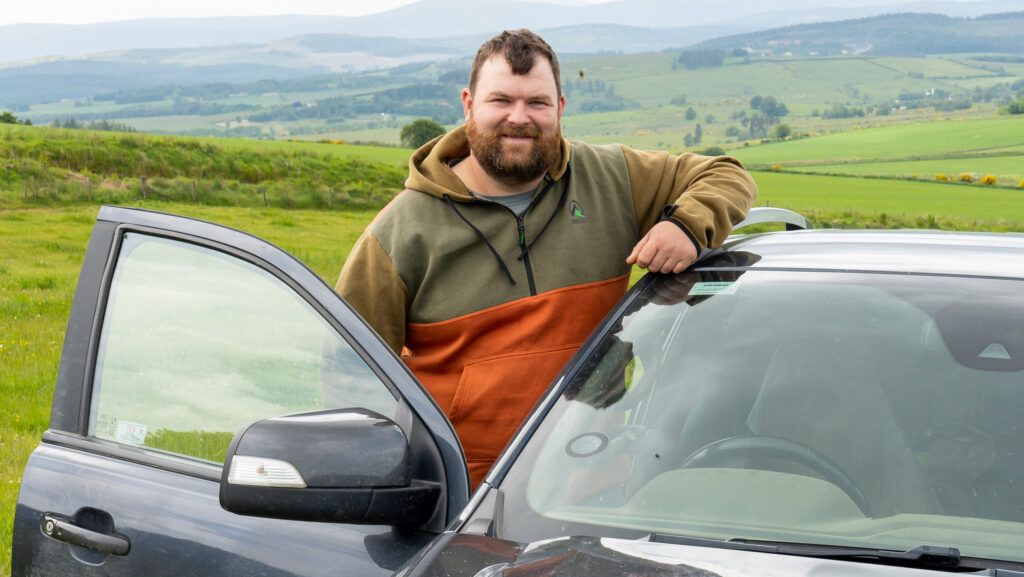 Duncan Morrison © Angus Findlay
 We have a brief respite before the summer workload of silage, hay and breeding begins. It’s a time to reflect on the spring just passed and work out where it all went wrong – or right.
Calving has been excellent in terms of calves born alive and unassisted, and in how quickly it went. Assist rate was under 2.5% and about 80% calved within the first 21 days.
See also: Beef sector warns falling prices may lead to fewer cattle
About the author

The sheep were less straightforward. We had more prolapses and lambing issues than usual, which I think was caused by the ewes being too fit and having too much grass ahead of them. We are still in the ironing-out-issues phase of our sheep enterprise.
Recently, while we have seen input costs increase due to the Iran conflict, we have also seen a decrease in the beef deadweight price.
This led to a rallying call from the National Beef Association (NBA) to processors and retailers: “Support us or lose us”.
The cattle trade is a fickle business and it can be very difficult to follow at times. Volatility seems to be the theme, and the more volatility, the higher the risk.
Unfortunately, a lot of that risk is upon the shoulders of farmers. Cattle finishers who purchased dear cattle in the spring may come under massive pressure in the coming months.
I agree with the open letter from the NBA. There must be some solution out there that spreads the risk fairly between all the stakeholders in the supply chain.
While farmers need processors and retailers, and processors and retailers need farmers, all parties could do more to understand the others’ challenges.
Our monitor farm management group was fortunate to get a guided tour around an abattoir to see a batch of our cattle go through.
Seeing the whole process behind the scenes brought to light that the processors have huge challenges, from labour, procurement and logistics to supermarket specifications. I found it fascinating and came away very impressed.
However, they too must understand the burden of risk placed on what are mostly small family businesses.
When times get tough, they haven’t the clout that these massive businesses do. I just hope that they take the rallying call on board.