

Farmer Focus: Drought mitigation priority as smoke clears
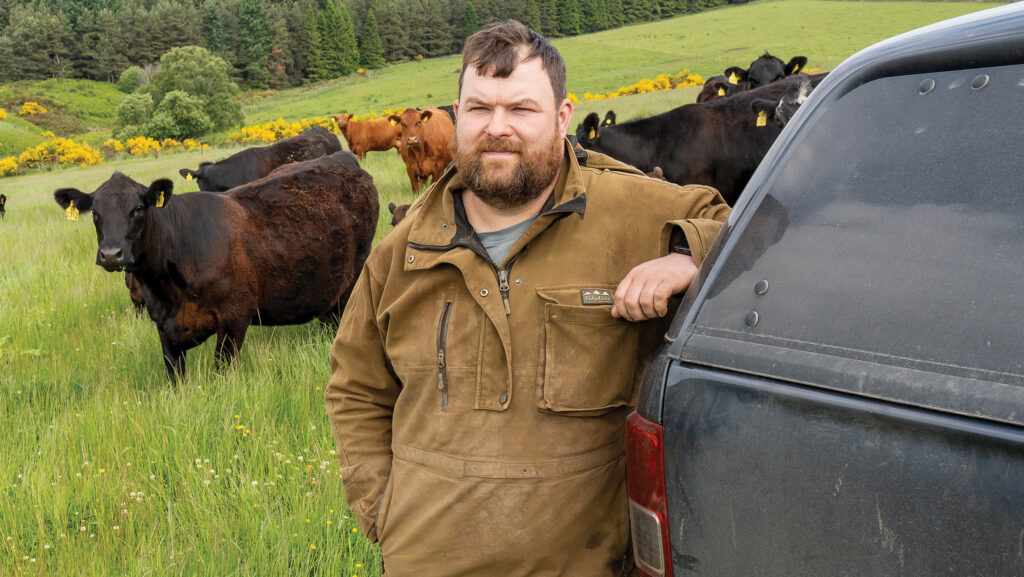 Duncan Morrison © Angus Findlay
 In my last article, I commented how great our spring grass growth had been. Silage crops were abundant and we were set up for a fruitful grazing season. Well, how wrong was I?
There followed an extremely hot and dry six weeks, which has stopped grass growth in its tracks.
See also: Benefits of digestible cocksfoot and tall fescue in drought
About the author

The Cairngorms National Park experienced unprecedented wildfires and we spent several days covered in smoke from the fires 40 miles away.
A huge community effort has thankfully managed to get on top of it. We have now had some decent rain, with hopefully more to come. From what I can see, the South has been exceptionally dry again too.
It is fairly obvious that our summers are getting hotter and drier, and drought periods are becoming an almost yearly occurrence. The question is what we should do to mitigate this.
From a grazing point of view, grazing taller covers and leaving taller residuals would be a decent place to start, but that’s easier said than done when grass growth is almost zero.
Taller covers will shade the soil more, help retain some moisture and reduce soil temperatures. Some plants perform better than others in drought conditions.
In lighter soils, we have added cocksfoot back into grass seed mixes, and we also find red clover to be a real asset in the dry. It is something we do need to get our heads around, though, as taller covers do not fit every situation.
Having recently taken on more land, we are still slightly understocked, so have managed fairly well. Had we been more highly stocked, I think we would have been challenged.
We made more silage than normal this year, though I wonder in future if we should shut off paddocks that have got away from us in spring. These could then become a “drought hedge” for us in midsummer.
We are already used to deferred grazing for winter, and this could well be an asset in summer, too.
Lambs are due to be weaned in the next week and they look to have grown well. Stock bulls are due to be pulled out from running with the cows shortly after to complete a bulling period of about six weeks.
The second cycle looks pretty quiet activity wise, so hopefully that suggests most have settled to the first service.