

Farmer Focus: Drought won’t disappear with first rainfall
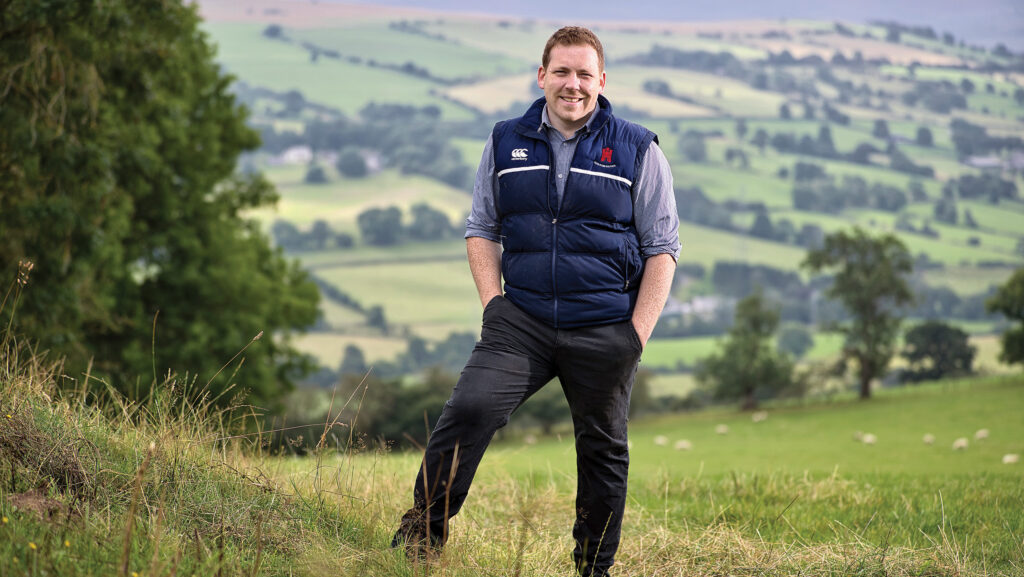 Joe Mault © Richard Stanton
 Not much has changed in terms of drought conditions since my last article. I think we are all starting to realise that the drought of 2026 is not something that will simply disappear with the first decent rainfall.
See also: Tips on avoiding cow health risks when grazing after drought
About the author

We have had some rain, but a few wet days will not undo months of drying.
Grass growth has been badly hit, forage stocks have taken a hammering, and the ground is still nowhere near where we would like it to be going into the autumn.
We need rain, but not just any rain. A few inches in a short period might make the fields look better, but it will take sustained rainfall to properly replenish soil moisture and groundwater.
That is what concerns me when I think about next spring. We could get a wet autumn and winter and think the drought is behind us, only to find ourselves short of moisture again by April or May. So should we be changing what we grow to be more resilient moving forward?
There are crops and varieties that have shown greater resilience under moisture stress, and perhaps drought tolerance now needs to sit much higher on the list when we make cropping decisions.
But every farm is different. Soil type, altitude, rainfall and livestock all have to be considered.
An even bigger question is when we will actually get the chance to plant. If autumn stays dry, drilling into dust is hardly the answer, yet if we get a very wet spell, we could quickly go from concerns about too little moisture to worrying about damaging the soil by putting machinery on it.
We need to watch the ground and learn from this year. We are noting which fields suffered first and which soils held moisture the longest. Naturally, our south-facing slopes are affected, but in the valley bottom the fields kept going a bit longer.
Then there is El Niño. Forecasts suggest it could contribute to another exceptionally warm year globally, but that does not automatically mean another drought for the UK. The weather pattern here is far more complicated.
Perhaps that uncertainty is the biggest lesson. This year’s take-away for me is that we cannot prevent drought, but we can try to farm so that when the next one comes, we are better prepared.