

Farmer Focus: Farm butchery processes first home-bred cattle
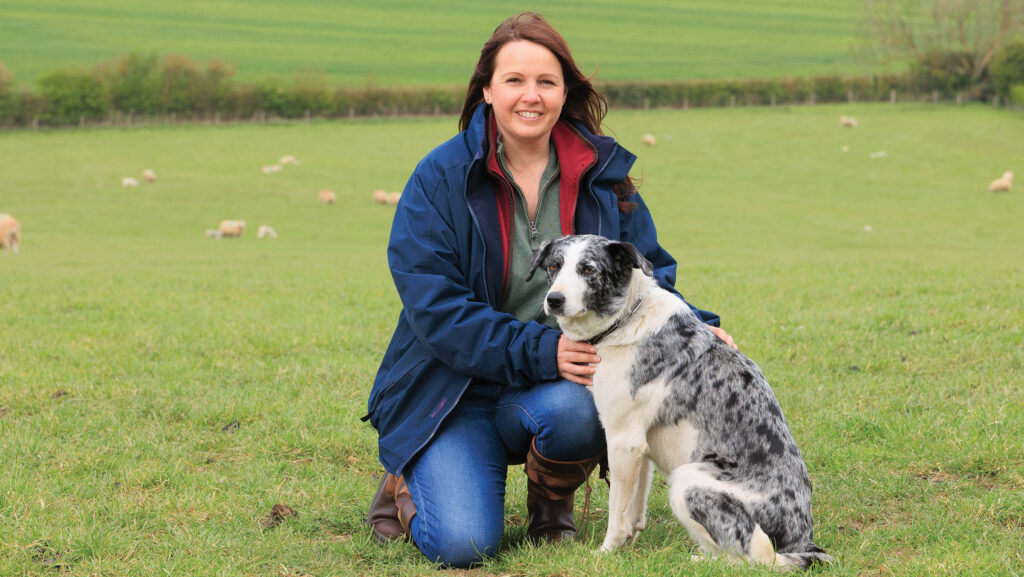 Louise Elkington © Tim Scrivener
We have continued to make progress with the cattle and have purchased some pedigree Lincoln Reds from a local herd dispersal sale. We have since had these and our existing cows scanned and are thrilled that they are all in-calf.
We have also managed to take on some more land locally, which is already set up for cattle, so this gives us the opportunity to continue increasing numbers.
It certainly feels like the cattle enterprise is heading in the right direction, and we are keen to keep building on what we have started.
See also: Why farm data matters in breeding robust cows
About the author

Our first home-bred beast went through the butchery last month, and the feedback has been fantastic.
There is something particularly rewarding about hearing such positive comments from customers about a product you have bred, reared and finished yourself. It really is a proud producer moment and makes all the hard work worthwhile.
The tups have been busy, with about 40% of the ewes covered within the first four days. They have been running on the grass leys so far and will soon be moving onto the forage crops.
We will also move ewe lambs and long-keep lambs onto the forage crops and keep finishing lambs nearer to home on some herbal leys, so it’s easier for us to draw lambs for the butchery each week.
We have been really pleased with the forage rape and stubble turnips. Considering they have had no fertiliser, and we have had such a dry year, they have established surprisingly well. It is still incredibly dry here, though, and the lack of rain is becoming a real concern.
The land we have for winter cover is heathland, so it is generally fairly dry during the winter months. However, this is the first year I can remember being able to drive around the farm at Gelston in the truck without sinking or making a mess.
This makes day-to-day jobs easier, but I do wonder what the knock-on effects of such a prolonged dry spell might be.
Next on the to-do list is getting the sheds ready for the cattle to come in for the winter, alongside preparing for what looks set to be a busy Christmas in the butchery.
If the orders coming in are anything to go by, it is going to be a busy few weeks!
