

Farmer Focus: Flexible grazing decisions key in dry spring
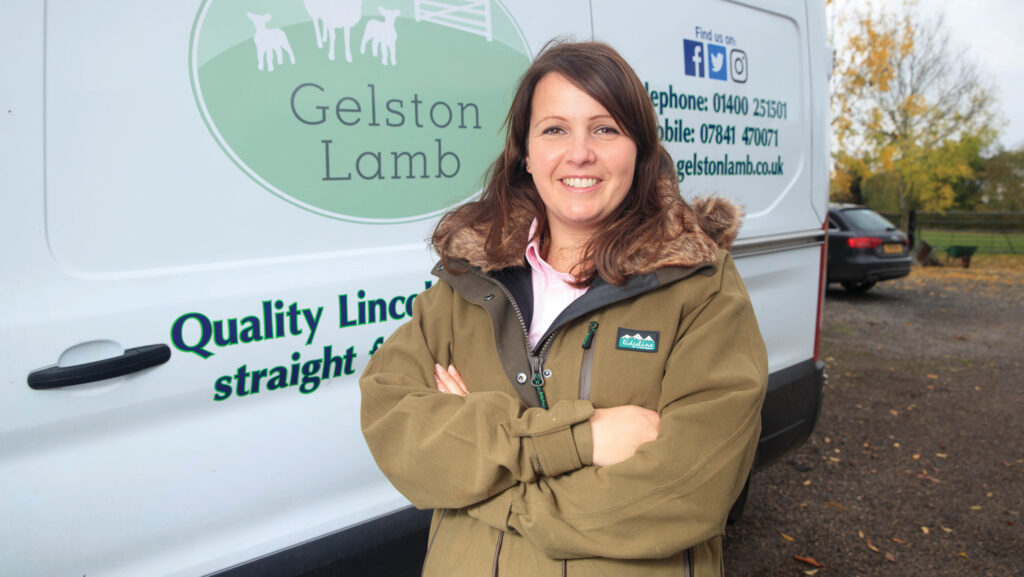 Louise Elkington © Tim Scrivener
 With the weather this spring being remarkably similar to last year, we are extremely pleased we made the decision to shut one field up at lambing time.
If it hadn’t been needed, it would have gone for haylage, but with the lack of rainfall over recent weeks, grass growth has quickly started to struggle.
Having that extra grazing available has already proved invaluable.
See also: How to tailor flystrike controls to flock setup in warming climate
About the author
To help make the most of what grass we do have, we have divided all the fields with electric fencing and started rotational grazing.
We have also fenced off half of the field we had originally held back for haylage, to give the main paddocks a bit of a rest.
The grass in there was a little longer than ideal for grazing, so the sheep have probably wasted a bit.
But it is a worthwhile sacrifice if it means we can avoid putting bales out in the fields this early in the season.
Hopefully, by giving the main paddocks a few weeks to recover, we will be able to settle into a proper rotation with moves every two to three days, depending on grass growth.
Rotational grazing is certainly more time consuming than set stocking, but it pays off with better grass utilisation and healthier pastures.
We now have most of our fields with mains water troughs positioned centrally, so we do not have the added job of moving water around, which is a massive help when time is already tight.
This year, we have also gone in earlier than usual with flystrike prevention.
Normally, we would treat when the lambs receive their first vaccinations, but with the warmer weather already here, we did not want to take the risk of flystrike.
It’s not cheap, but it works well and gives peace of mind.
The cows have now all calved to a Lincoln Red bull, including two sets of twins.
The vet was needed for the first set, but the remaining cows all calved unassisted, which is exactly what you hope for: healthy, lively calves and no drama.
We are now moving into show season with the catering trailer, so life is becoming very full on as we juggle livestock, the butchery and weekends away at shows – and not forgetting family life.