

Farmer Focus: Lamb price only fair considering long hours
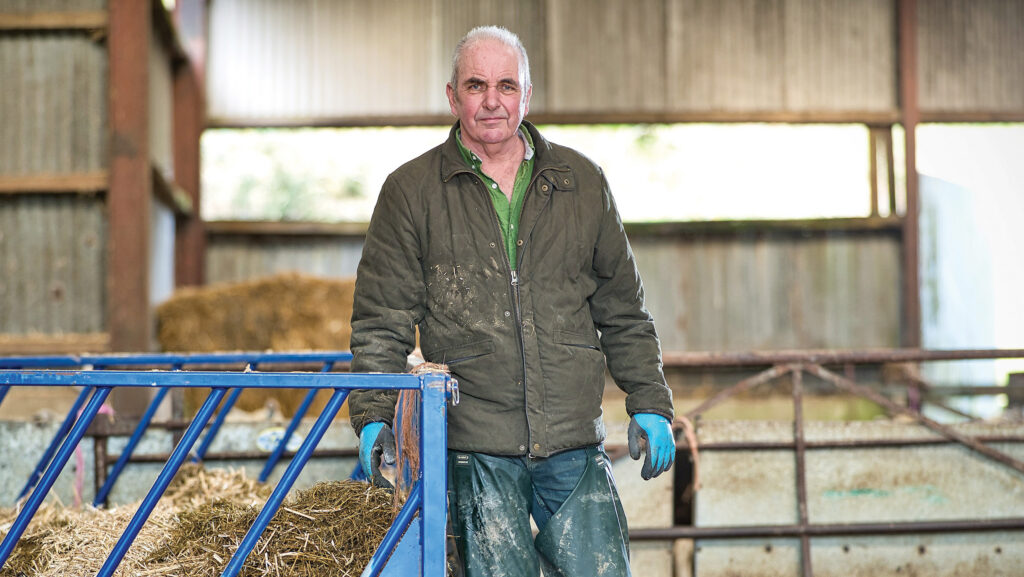 Edward Evans © Richard Stanton
 The 31 lambs we took to Welshpool Market on 1 June looked small and young. Nevertheless, they averaged 34.2kg, with an average price of £161.94.
Two weeks later, we took 53 lambs – they averaged 37kg and made £162.66 a head. We sent 30 the following week, at an average weight of 36.3kg and average price of £154.22.
See also: How rotational hedge management is helping store more carbon
About the author
Lambs are good money, but prices are really only where they should be, considering all the cost and effort it takes to rear them.
They also help one forget about the long hours, tiredness and ups and downs that go with lambing.
For a time, we sold our lambs direct from the farm. When the company ceased trading, we returned to the live market. I enjoy market day, wherever it may be – the talking, banter, market café and seeing people meeting up, chatting and laughing. Laughter is cheap medicine, after all.
Grass growth explodes
The grass has gone mad. The first heatwave in May gave it the kick it needed. I then went from shorts back to full wet-weather gear in less than a week, when cooler conditions returned.
However, grass growth has been good and during this latest heatwave I think nearly every farmer in Montgomeryshire has been harvesting. We have made some round bale hay, although most of our harvest is made into clamp silage.
A farming family in the area who have all their own machinery carry out this work for us. It works very well.
The rotational paddocks for the cattle have been adjusted in size to allow access to shade. These paddocks will also be used to graze some areas that have got ahead of the sheep, rather than topping them.
Grazing challenge
The sheep have been placed in four groups since we marked the lambs and are also moved every four to five days.
It’s a challenge trying to graze everywhere properly – some of the older leys are being left to grow, while more effort is made to manage the younger leys. Interestingly, it looks as if the weather conditions are favourable for clover growth this year.
I enjoyed a visit to the Royal Welsh Grassland event, which was a thoroughly interesting and enjoyable day.
It was fascinating to see drones, autonomous machinery, targeted weed control and a virtual fencing demonstration, as well as all the latest grassland harvesting machinery, the modern classics and vintage machinery.