

Farmer Focus: Misting system averts disaster in broiler shed
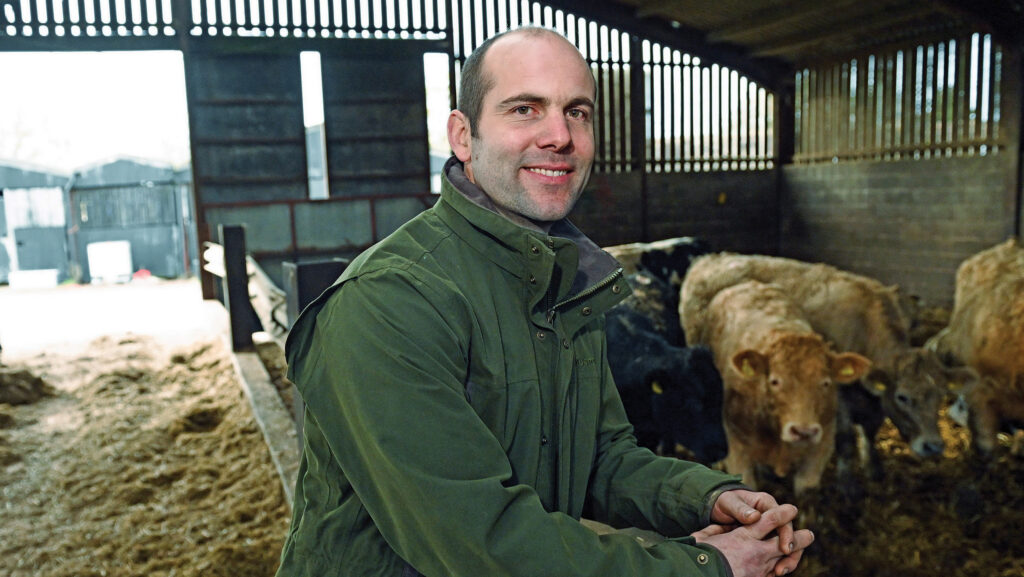 Dan Phillips © Richard Swingler
 By the time you read this, I am hoping the prolonged dry spell we have been experiencing will have come to an end, because we certainly do need some rain.
The hot and dry weather has been testing, and while all aspects of the farm have been affected, the broiler chickens have required the most attention.
Keeping thousands of birds comfortable becomes a full-time job when temperatures soar.
See also: 4-point control plan for managing heat stress in poultry
About the author

It’s not often that I have cause to champion Defra, but this month they do deserve some credit. In the 2022 heatwave, many broiler farms lost chickens to heat stress.
The critical periods are: just before thinning and clearing when weight per metre is at its highest; and during the catching process, when doors are open, which can affect pressure and airflow, causing “dead spots” in shed corners or against walls.
Often the poultry industry is left to self-govern, but such were the losses that inevitably Defra got involved and said things had to change.
As growers, we are often just told what we must do to meet the required standards and are unaware of the pressure being exerted from above.
So, our processor deemed that all sheds would need an increased maximum ventilation rate – and a misting system.
Predictably, this caused a lot of grumbling about unnecessary costs and that those sorts of temperatures were a once in 100-year event. However, it was made clear: make the changes or find another processor.
We were unaffected in 2022, having young chicks in during the hot period.
But during these recent heatwaves, with temperatures on the concrete apron getting up to 38C, we had to both thin and clear during high daytime temperatures.
Thankfully, the misting system did exactly what it was supposed to do.
By jetting a fine, high-pressure mist into the air stream above each inlet, it effectively dropped the air temperature by around 6C, meaning the in-house temperature peaked at only 31C.
Birds were happy and active once they got used to it, and performance has actually been some of the best we have ever achieved.
Without the misting system, I dread to think what would have happened. It’s rare that you can point to an expensive investment and say it has already paid for itself, but this is one of those occasions.
So, credit where it’s due, Defra were right to force these changes on us.