

Farmer Focus: Nant Ffrancon project spells end for farmers
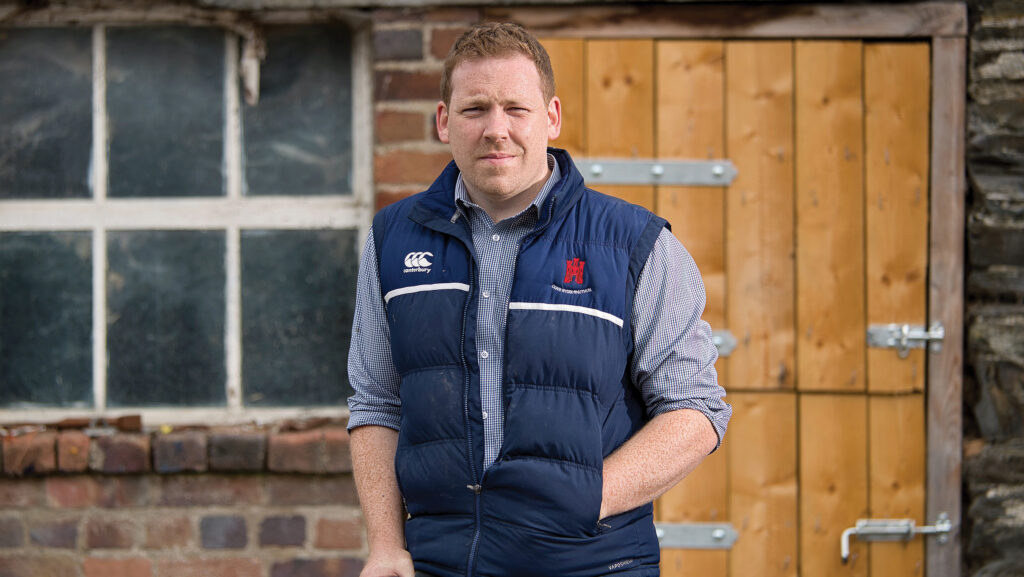 Joe Mault © Richard Stanton
 I’ve been thinking about the resilience of the farming community while attending the breeding sheep sales dotted about North Wales.
We have endured a really tough time over the past six months, and yet our farmers have confidence in their industry and are spending their hard-earned cash on sheep to continue the cycle again.
See also: How running two flocks helps farm optimise lamb market potential
About the author

I am also very proud of how much charity work we do as a community, including raising money through tractor runs at Christmas or donating livestock for good causes at local markets.
We recently donated a hoggett that had taken its time to fatten to raise funds for Cancer Research UK. My dad tells me it was a bonus we got the hoggett to the auction, so we wanted something good to come of it.
The value of farming communities gets overlooked often and we often feel undervalued.
A prime example is what’s happening in the Nant Ffrancon valley. Under the banner of environmental progress, National Trust Cymru is pushing ahead with its £1m Natur i Bobl Nant Ffrancon project.
While the initiative promises to reverse ecological decline, its actual effect is alarming, with the systematic dismantling of a traditional Welsh farming community.
For generations, tenant farmers have acted as the custodians of this rugged landscape. The hefted flocks and careful management have shaped the valley we see today.
Yet, under the trust’s new vision, these families are being treated as obstacles to nature rather than partners in it.
By enforcing drastic livestock reductions and introducing hyper-restrictive and fashionable GPS-collar conservation grazing, the trust has effectively made traditional upland farming economically unviable.
In Nant Ffrancon, this translates to empty farmhouses and silenced hillsides.
When you force sheep numbers below a critical mass, you don’t just lose a business, you lose the generational knowledge required to manage that land. More than just an agricultural crisis, this is a cultural tragedy.
The trust claims its project will help “wildlife, farming and communities thrive together”. But you cannot claim to support a community while actively pricing and regulating people out of their homes.
True sustainability requires a balance of environmental, economic and social health. By prioritising rewilding over people, the trust is failing on all three fronts. The culture of the uplands is just as vital, and just as endangered, as the wildlife it claims to protect.