

Farmer Focus: Rain comes too late for reseeding plans
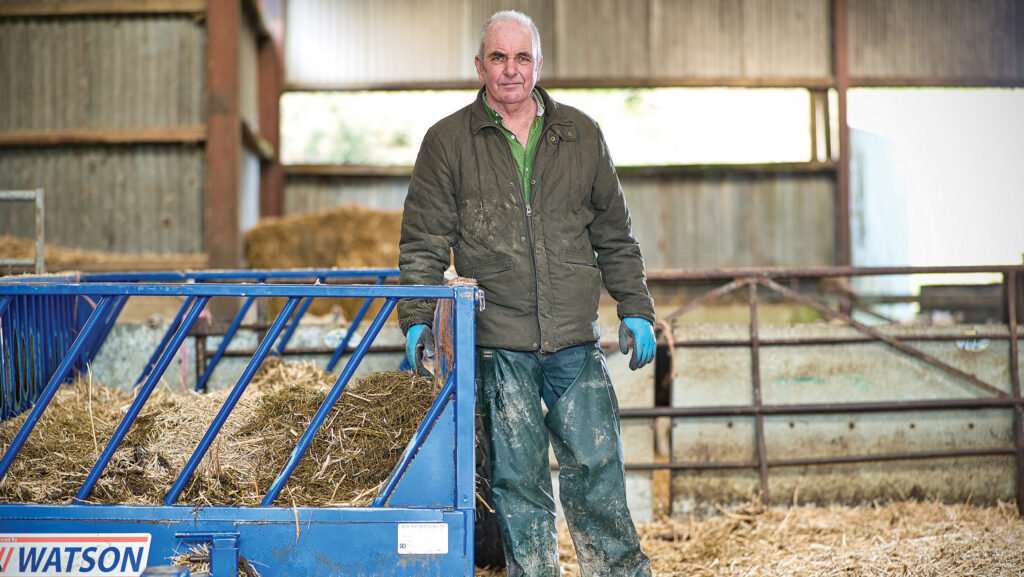 Edward Evans © Richard Stanton
 In my last column, I mentioned that the farm was still more green than brown. That didn’t last long. The next heatwave in early to mid-August tightened its grip and grass began to disappear.
We continued moving the cattle regularly, leaving as much residual as we could afford, and did the same for groups of sheep. We haven’t had to feed and the water supply has been good throughout.
See also: How poor ewe condition hits flock productivity hard
About the author

By now, dare I say it, we have had enough rain. The little stream is back running, gateways are a little muddy, and the whole countryside has changed from a drab brown to a fresh green.
However, the plans to reseed have been abandoned. By the end of August, it’s getting too late on our type of farm.
In early August last year, a field had been sprayed off to kill the old ley, but the surface was too hard and dry to provide the little tilth we require to sow the seed onto the surface and roll in.
This quick and simple way of reseeding suits our soil type and works very well. However, unable to harrow, we had to have the field rotavated.
Establishment was poor and we grew a good crop of chickweed. Water infiltration was also poor. In the hope of reseeding it again this year, we first subsoiled the field, but with no moisture whatsoever, we decided to leave it as it is.
We’ve weighed one group of 38 cattle, 18-19 months old. They have passed their TB test and are being moved to a farm 12 miles away for finishing.
Another group of 50 weanlings is being moved onto the farm, which will be kept, along with a few others, until late summer next year. It is an easy system, with the cattle being quiet and easy to handle.
Having cows calving at the same time as lambing no longer suits me.
April lambs are now being sold as quickly as possible as stores, with about 50-80 going each week. With grass now recovering, my priority is the ewes, with thoughts turning to next year’s lamb crop.
As if the havoc and hardship caused by the drought were not enough for many farmers, bluetongue has also added to the distress. We certainly need to get a grip on the situation, testing results and vaccine supply.