

Farmer Focus: Relief as national park idea is abandoned
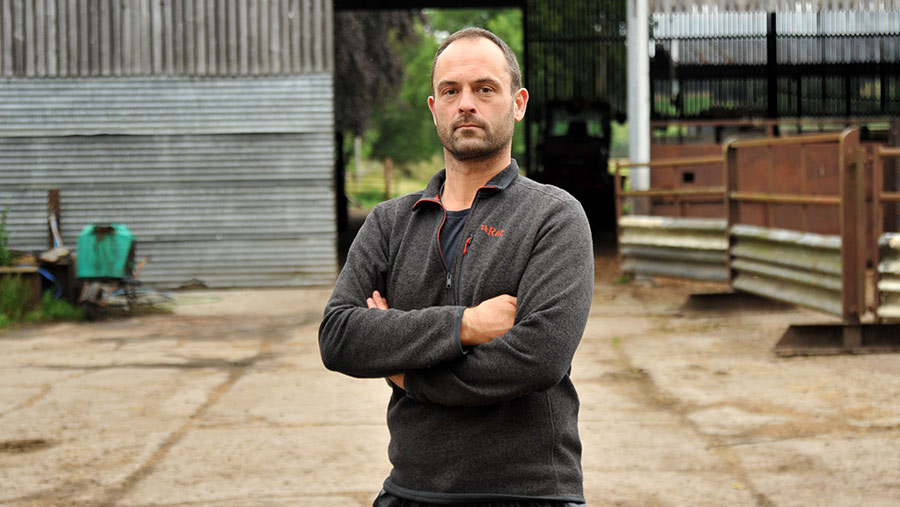 David Girvan © Michelle Scott
 In my last article, the possibility of our area being nominated as Scotland’s next national park loomed over us.
However, we have recently heard that these nominations have been quashed – a positive development for now.
The rushed consultation process left little room for thorough research on the matter. I am a little surprised that the nominating group didn’t just push on regardless on the promise of “further in-depth consultations at the next stage”.
However, I’m relieved and thankful that we won’t be plagued by the uncertainty and added concerns in the coming months.
See also: Video: Highland farm grazes cattle unfenced with GPS collars
About the author

In an area already overwhelmed with tourists, and no real certainties as to how our business would be affected, our concerns were mainly for the next generation on the farm.
The recent sunny spell gave humans and animals a renewed energy. Witnessing the contentment of our cows basking in the sun on dry ground is a sign that spring is just around the corner.
Spring always seems to sneak up on us, leaving us scrambling to complete the jobs before it really kicks in and we run out of spare time.
Owing to the sale of ewes earlier in the year, we seized the opportunity to introduce our 18-month-old cattle to the surplus fodder beet.
Transitioning them onto the beet proved promising initially, although we encountered the challenge of tops dying off during frosty spells, leading to a dip in protein levels.
To make up for this, we supplemented with silage, though it couldn’t quite match the leafy beet tops for protein.
Despite this, we got the first batch of cattle finished on the crop, while the remaining stock were brought indoors.
Some 15 of them thrived on a silage/barley diet, reaching an average carcass weight of just over 300kg and meeting slaughter specifications.
The remaining 10 are set to follow suit within the next month. While fodder beet holds immense potential, achieving optimal results remains a delicate balance – and one that I still haven’t cracked!
Our current lighter stocking and potential plan of organic conversion mean we probably won’t be growing beet again, which is one less thing to worry about in the spring.